
Why Your Puppy Seems Stubborn About Housebreaking
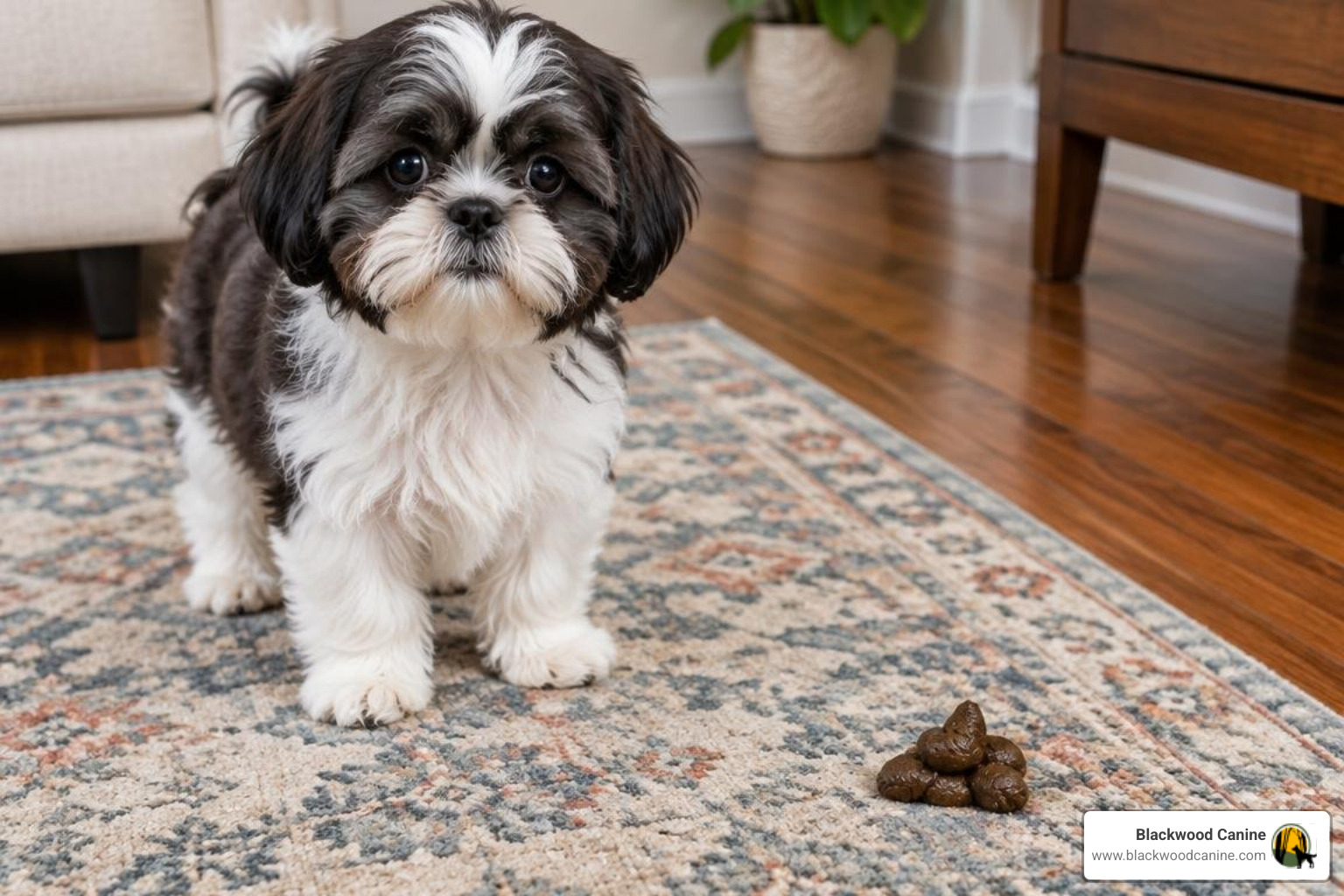
To house train a stubborn puppy, keep outdoor potty trips boring and on a short leash, reward success with high value treats within two seconds, and use a crate or umbilical leash to prevent indoor wandering. Puppies do not hold grudges or soil your floor out of anger. Housebreaking breaks down when there is a gap in communication, management, or physical development. When puppies seem resistant, they are usually dealing with one of these everyday problems:
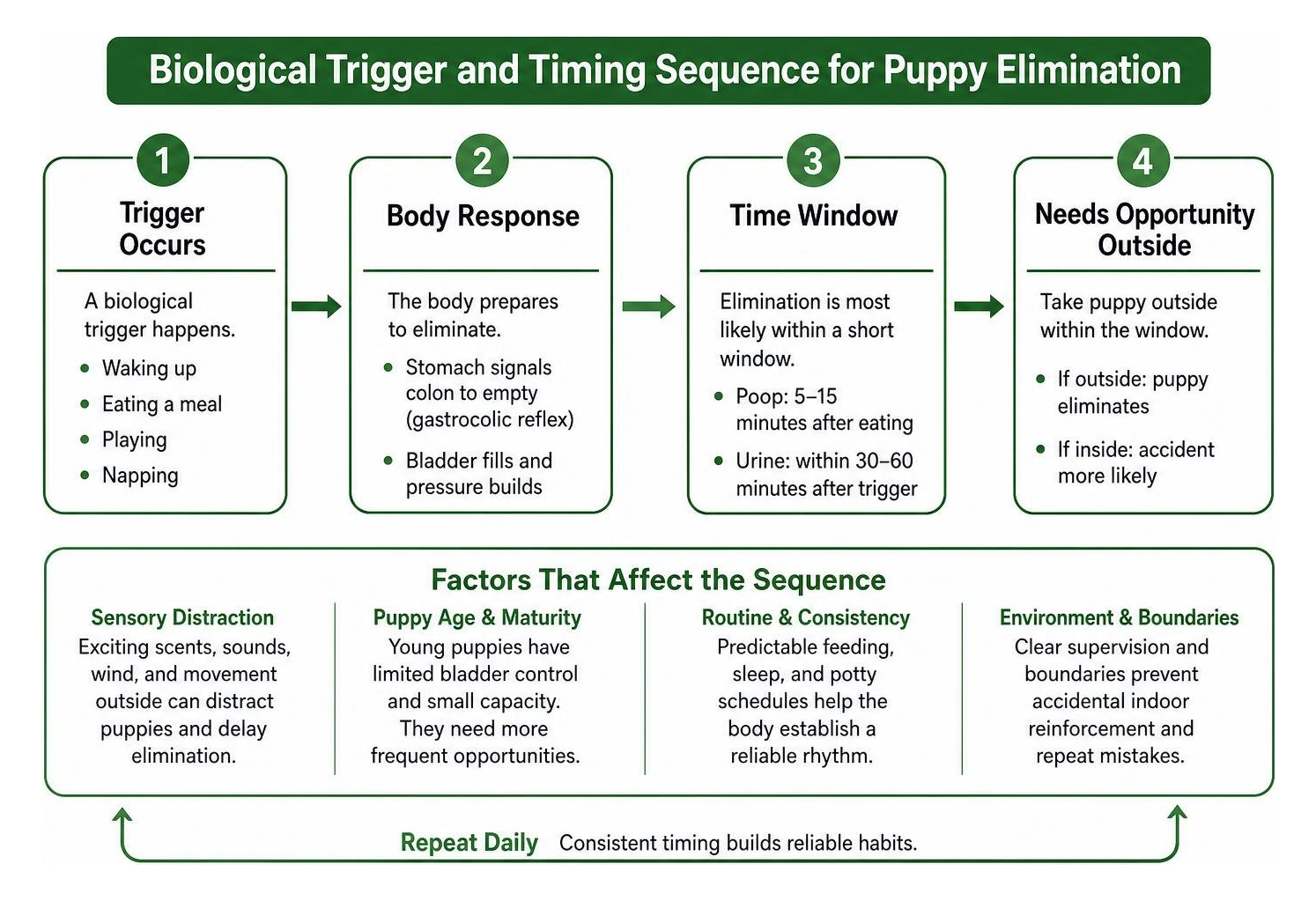
- Sensory distraction: The outdoors is filled with interesting scents, sounds, wind, and movement. A young pup easily forgets their full bladder until they step back inside where it is quiet.
- Accidental indoor reinforcement: If a puppy is allowed to wander without supervision, finding a soft rug or a hidden corner feels safe and comfortable. Once they go there, the lingering scent tells them that the spot is an approved bathroom.
- Mixed signals: Inconsistent routines leave dogs guessing. If break times and feeding schedules change daily, their bodies cannot establish a predictable elimination rhythm.
- Lack of clear boundaries: Giving a young dog full run of the house before they understand the rules invites repeated mistakes.
Understanding how dogs view their environment is the first step toward lasting success. For additional medical insights on early development, reviewing vet approved potty training guidance can help you identify healthy habits from the start.
Why Stubborn Puppy Potty Training Feels So Difficult
The process of stubborn puppy potty training often feels overwhelming because puppies process the world through immediate associations. If your pup feels nervous outside due to traffic noises, neighborhood dogs, or bad weather, their body tightens up. They hold their urine out of self preservation, then relax the moment they walk back into your quiet living room.
Puppies also do not generalize well. Learning not to pee on the kitchen tile does not automatically teach them that the bedroom carpet is off limits. Without active guidance, they find new places to relieve themselves indoors. If you are starting fresh with a new pet, reviewing practical puppy training tips for new Portland pet parents will help you establish realistic expectations from day one.
Biological Timing and Age Related Limits
A puppy's physical maturity sets the baseline for what they can accomplish. Young dogs lack complete sphincter control. Expecting a ten week old puppy to hold their bladder for several hours is setting them up for failure.
Digestion also triggers elimination through the gastrocolic reflex. When food enters an empty stomach, it signals the colon to empty, which is why puppies almost always need to poop five to fifteen minutes after eating.
| Puppy Age | Estimated Bladder Capacity | Recommended Daytime Potty Interval | Primary Biological Triggers |
|---|---|---|---|
| 8 to 10 Weeks | 1 to 2 hours maximum | Every 30 to 60 minutes | Immediately after waking, eating, or playing |
| 10 to 12 Weeks | 2 to 3 hours maximum | Every 1 to 2 hours | 10 minutes post meal, mid play pauses |
| 3 to 4 Months | 3 to 4 hours maximum | Every 2 to 3 hours | Post nap, sudden stops during activity |
| 4 to 6 Months | 4 to 5 hours maximum | Every 3 to 4 hours | First thing in morning, post feeding, evening |
Physical traits also influence this timeline. Small breed dogs have tiny bladders and rapid metabolisms, requiring more frequent trips outside. Scent hounds get easily pulled off task by ground smells, while working breeds may stay so alert to movement that they forget to relax their muscles.
Proven Techniques for Stubborn Puppy Potty Training
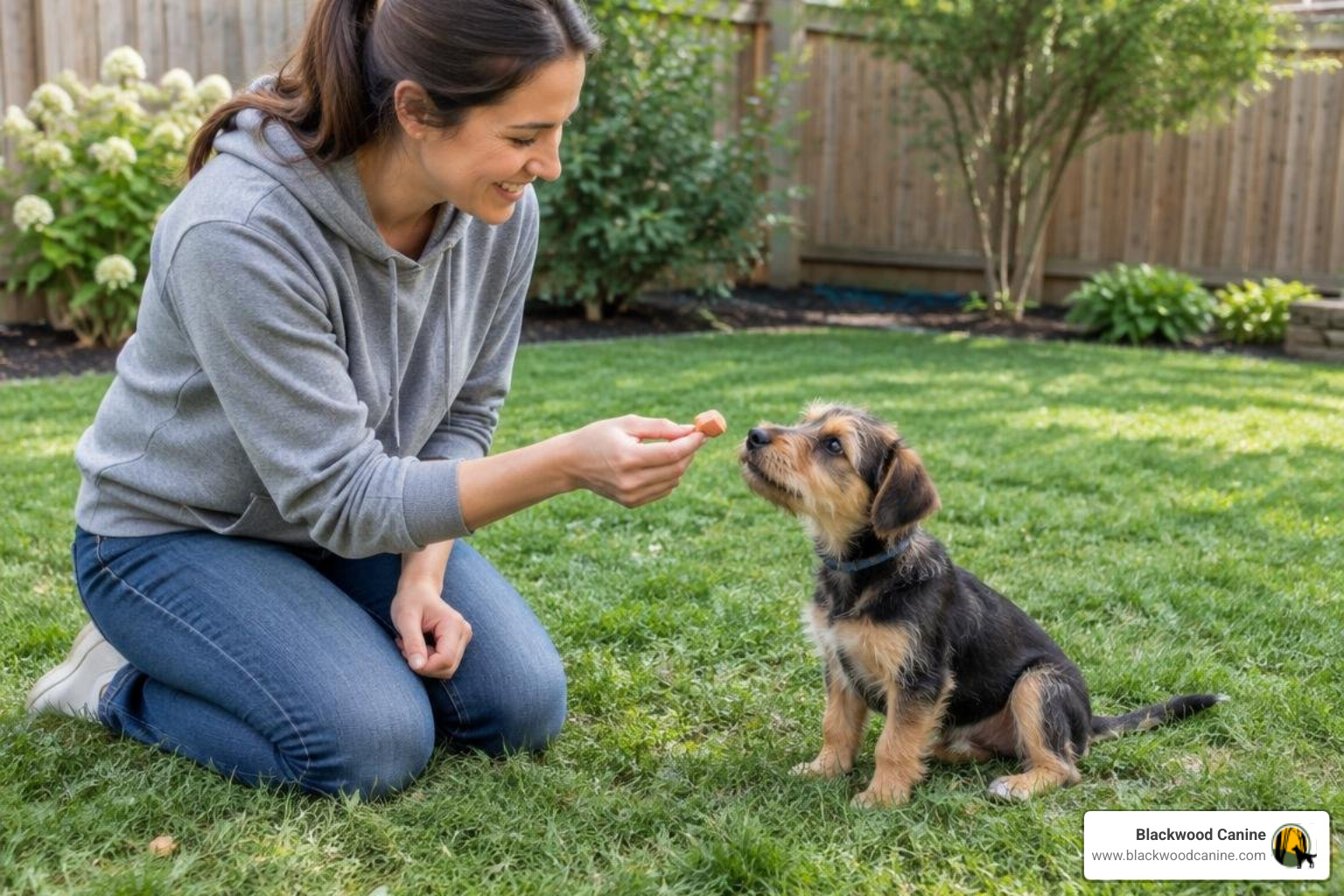
Breaking through stubborn habits requires balanced management, clear boundaries, and valuable rewards. Training is never purely positive or correction only. True progress comes from proactive management that sets your puppy up to succeed, fair consequences when they lose focus, and clear communication they can understand.
Pairing high value food with real world positive housebreaking techniques builds a fast connection between going outside and earning a paycheck.
The "Boring Trip" Protocol for Outdoor Refusal
If your puppy treats the yard like a playground and then soils the floor upon returning inside, you need the boring trip protocol. This method turns outdoor bathroom visits into a calm, functional routine.
- Put your puppy on a standard six foot leash. Do not let them roam freely.
- Walk directly to your designated potty spot and plant your feet.
- Stand still and give your puppy a small radius to sniff. Give a single verbal cue like "go potty."
- Remain quiet and neutral for five minutes. Do not play, walk around the yard, or give continuous chatter.
- If the puppy goes, mark the action with a calm "yes" and reward them immediately with high value food.
- If they do not go within five minutes, walk them straight back inside. Place them directly in their crate or keep them leashed to you. Wait ten minutes, then take them back to the exact same spot and repeat.
This structure stops the outdoor yard time from turning into free play. Following an easy way to potty train a puppy keeps the routine clear: potty comes first, play comes after.
High Value Rewards and Clear Feedback
Kibble rarely motivates a distracted puppy. When your pup eliminates outside, you have a two second window to reward the behavior so they connect the prize with the action.
Use real rewards like freeze dried liver, small bits of string cheese, or cooked chicken. Deliver the reward right at the potty spot, not back at the backdoor.
Fair communication also requires clean feedback. Never use harsh physical corrections, rub a puppy's nose in a mess, or yell. Misusing training tools or applying unbalanced punishment creates anxiety, causing puppies to hide behind furniture to eliminate out of fear. When discipline is necessary for older puppies who understand the rules, tools and consequences should always be applied under professional guidance.
Crate Training and Indoor Confinement Setup
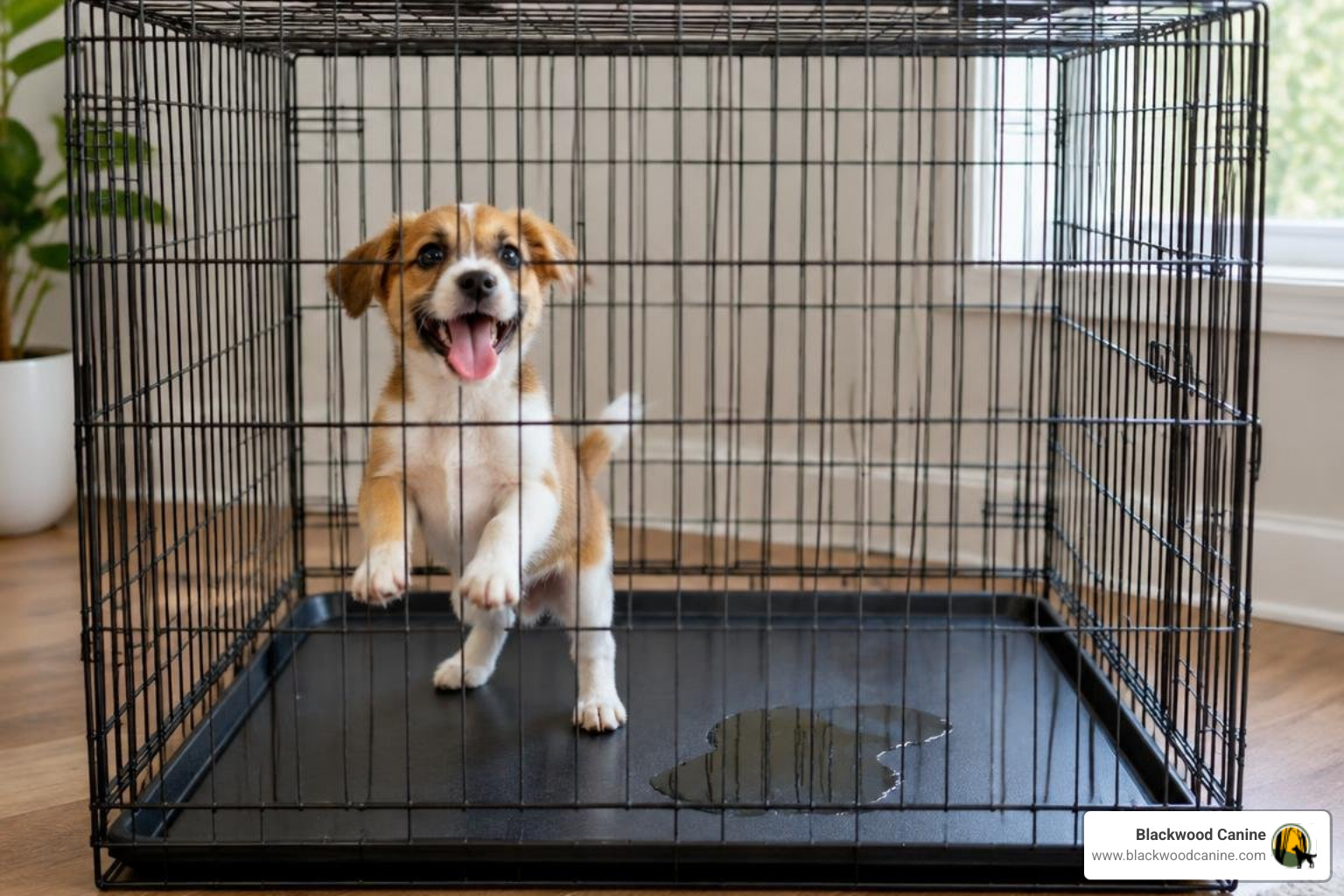
Dogs have a natural instinct to keep their immediate sleeping space clean. A properly introduced crate uses this instinct to help your puppy build muscle control.
- Crate sizing: The crate should only be large enough for the puppy to stand up, turn around, and lie down comfortably. If the crate is too big, they will use one end as a bed and the other end as a bathroom.
- Divider panels: Use an adjustable divider panel to grow the crate size along with your puppy's physical frame.
- Umbilical leash method: When your puppy is loose in the room with you, attach their leash to your waist belt. This prevents them from wandering behind sofas to relieve themselves without your knowledge.
- Playpens: If you must leave for work, set up a puppy playpen with a washable bed and water bowl to avoid setting back their crate training.
Daily Schedules and Resetting Your Routine
Structure eliminates confusion. A solid daily routine balances bathroom opportunities, structured naps, meals, and hydration. When your puppy runs on a set rhythm, you can predict their bathroom needs down to the minute.
You can download our complete structured housebreaking schedule to print and post on your refrigerator. For stage specific needs, see our detailed 3 month old puppy schedule and our 4 month puppy schedule guide to adjust your intervals as your dog matures.
Establishing Predictable Biological Windows
Map your puppy's day around these key moments:
- First morning out: Carry or leash your pup straight to their spot within thirty seconds of waking.
- Scheduled meal windows: Feed at exact times twice or three times daily. Pick up the food bowl after fifteen minutes. Free feeding makes bowel movements unpredictable.
- Timed hydration: Allow water access with meals and throughout the day, but lift the water bowl roughly two hours before bedtime.
- Post activity breaks: Take your puppy out immediately after any game of fetch, wrestling session, or training practice.
Learn your dog's physical warning cues. Sniffing in a tight radius, circling twice, sudden pacing toward hallway doorways, or walking away from an active play session all indicate that a bathroom break is needed right away.
Troubleshooting Stubborn Puppy Potty Training Regressions
Progress is rarely a straight line. If an otherwise reliable puppy suddenly starts having accidents, evaluate the following factors:
- Incomplete scent removal: Standard household cleaners often leave behind urine salts that humans cannot smell, but dogs easily detect. Clean every accident spot using an enzymatic cleaner to break down the organic material completely.
- Developmental shifts: Puppies go through fear periods and hormonal adjustments between five and nine months of age, which can temporarily disrupt focus.
- Weather aversion: Rain, cold wind, or wet grass can make puppies reluctant to step outside. Maintain the boring trip protocol on a leash with an umbrella rather than letting them skip trips.
- Medical concerns: Sudden frequency changes, straining, cloudy urine, or loose stool can point to urinary tract infections or parasites. Always consult your veterinarian to rule out physical causes.
For more deep dives on behavioral stages, browse our collection of dog training resources to keep your household on track.
Frequently Asked Questions About Housebreaking
Why does my puppy pee inside right after being outside?
Puppies often get overstimulated by the noises, bugs, and smells in your yard. That excitement keeps their nervous system active, causing them to hold their urine. Once they walk back into your safe, quiet home, their muscles relax, and they release their bladder on your floor.
To fix this, keep outdoor trips calm by using a short leash and standing still in one designated spot. If they do not go within five minutes, bring them inside directly to their crate for ten minutes, then try again outside.
How long does it take to fully housebreak a puppy?
Most puppies achieve solid, dependable house training between four and six months of age when owners maintain a strict management routine. Some toy breeds or stubborn dogs can take up to eight or nine months to develop complete physical and mental control.
Consistent supervision, timed feeding, and fast reward delivery will speed up this timeline, while frequent unsupervised indoor accidents will prolong it.
Should I ever punish my puppy for indoor accidents?
No. Screaming, rubbing their nose in the mess, or physical punishment will damage your puppy's trust in you. It teaches the dog that eliminating in front of you is dangerous. As a result, the puppy will start hiding behind beds or in quiet rooms to relieve themselves in secret.
If you catch an accident in progress, interrupt the puppy with a neutral sound, immediately carry them out to their potty spot, and reward them if they finish there. Clean up indoor messes quietly using an enzymatic spray.
Building Lifelong Habits and Getting Stress Free Results
Potty training is not about luck or waiting for a puppy to grow out of bad habits. It requires clear communication, tight management, and daily consistency. Every accident you prevent builds muscle memory, and every outdoor success you reward teaches your dog what is expected of them.
If you are struggling with a puppy that refuses to get with the program, you do not have to handle it alone. Blackwood Canine works with busy dog owners across Scappoose, St. Helens, Warren, Bethany, Hillsboro, Beaverton, Portland, and Vancouver who feel overwhelmed and stuck.
Our programs are built on practical routines and real world accountability. Our basic obedience foundation training starts at 4 weeks, while our behavior modification timelines run for 6 weeks or 8 plus weeks for complex cases. We do not offer training programs shorter than 4 weeks because building reliable habits takes dedicated time, repetition, and follow through.
If you want structured guidance from the very beginning, our Puppy Jump Start Program gives you the tools, schedule, and hands on coaching to stop the cleanup cycle. Setting up your routine also means looking at your dog's daily habits, including managing fast eating and mealtime routines to keep their digestion and bathroom needs predictable.
Take the next step toward a clean, stress free home. Reach out to Blackwood Canine today to schedule your Good Dog Game Plan, and let us help you build a confident, reliable companion.