
A Practical Guide to Your 3 Month Old Puppy Schedule
Why a Structured 3 Month Old Puppy Schedule Brings Peace to Your Home
Your twelve week old puppy is nipping at your ankles, having accidents on the rug minutes after coming inside, and collapsing into sudden overtired tantrums. Raising a young pup can feel overwhelming when you do not have a predictable rhythm.
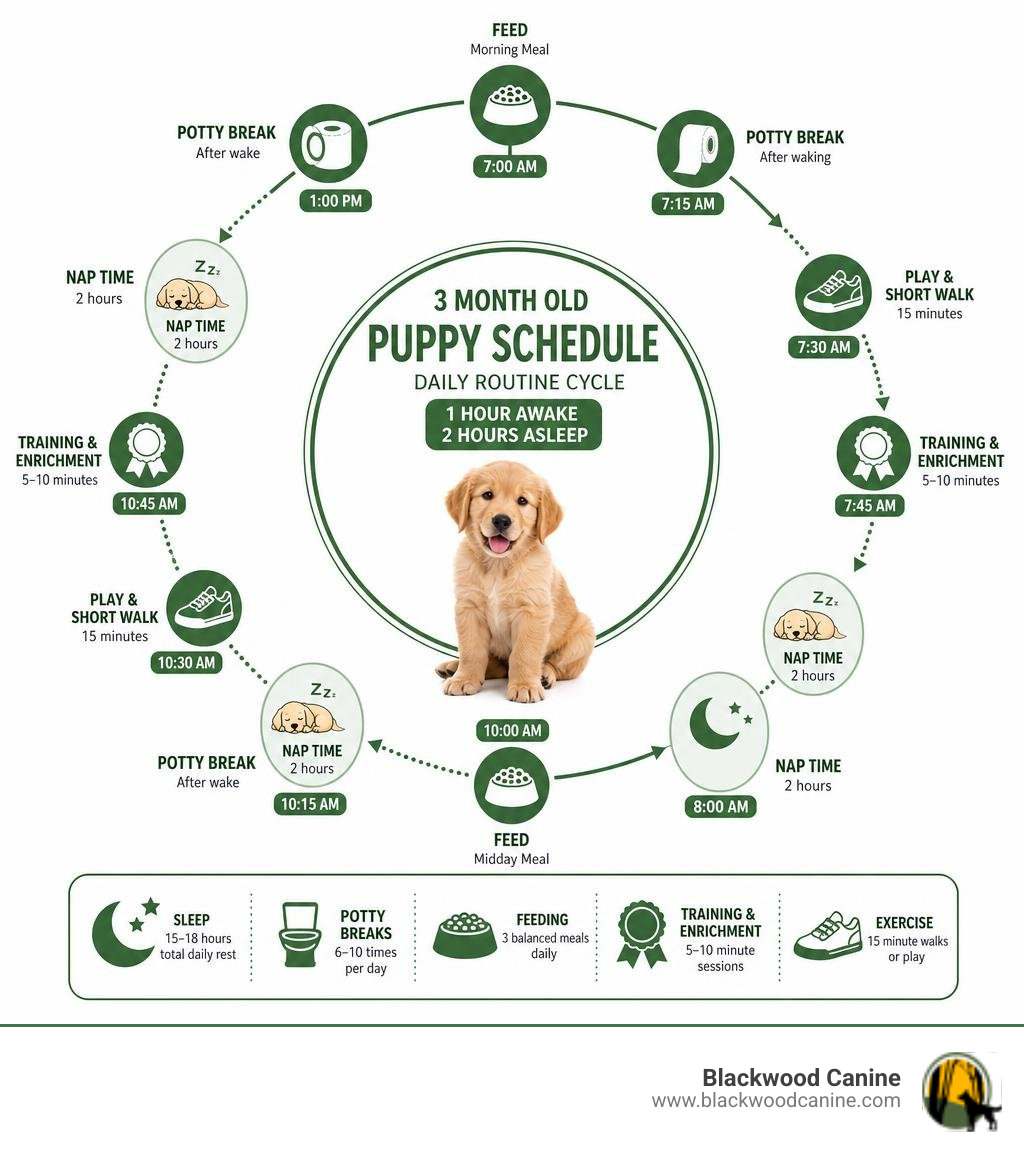
A reliable 3 month old puppy schedule follows a simple 1 hour awake, 2 hours asleep cycle designed around your dog's developing bladder and rapid brain growth:
- Sleep: 15 to 18 hours of total daily rest, split between nighttime sleep and 4 to 5 scheduled daytime naps.
- Potty Breaks: Every 2 to 3 hours while awake, plus immediately upon waking, 15 minutes after meals, and right after play (6 to 10 breaks per day).
- Feeding: Three balanced meals daily (morning, noon, and early evening) to maintain steady blood sugar.
- Training & Enrichment: Short 5 to 10 minute learning sessions focused on foundational obedience, name recognition, and positive handling.
- Exercise: Brief 15 minute walks or backyard play sessions that protect growing joints.
I am David Wright, and I have spent over fifteen years helping owners replace frustrating puppy habits with clear structure by establishing an effective 3 month old puppy schedule. Let us look at how you can organize your day to give your puppy the rest, nutrition, and guidance they need.
The Master 3 Month Old Puppy Schedule: An Hour-by-Hour Daily Routine
Young dogs thrive when their days follow a consistent pattern. At twelve weeks, ninety percent of your puppy's adult brain mass is already formed, yet their physical stamina and emotional regulation remain limited. When you set up predictable wake, eat, potty, and nap windows, you eliminate guesswork for both yourself and your pup.
| Time Window | Primary Focus | Key Activities & Management |
|---|---|---|
| Morning (6:30 AM – 11:30 AM) | Wake up, breakfast, potty, and nap | Immediate outdoor trip, morning meal, 5 minute foundation training, followed by a quiet 2 hour nap |
| Midday (11:30 AM – 4:30 PM) | Lunch, enrichment, potty, and rest | Midday meal, sniffing game, outdoor potty break, crate or pen nap |
| Evening (4:30 PM – 9:00 PM) | Dinner, gentle play, wind down, bedtime | Evening meal, calm chew session, last outdoor break, lights out |
Morning Routine: Wake Up, Breakfast, and First Potty
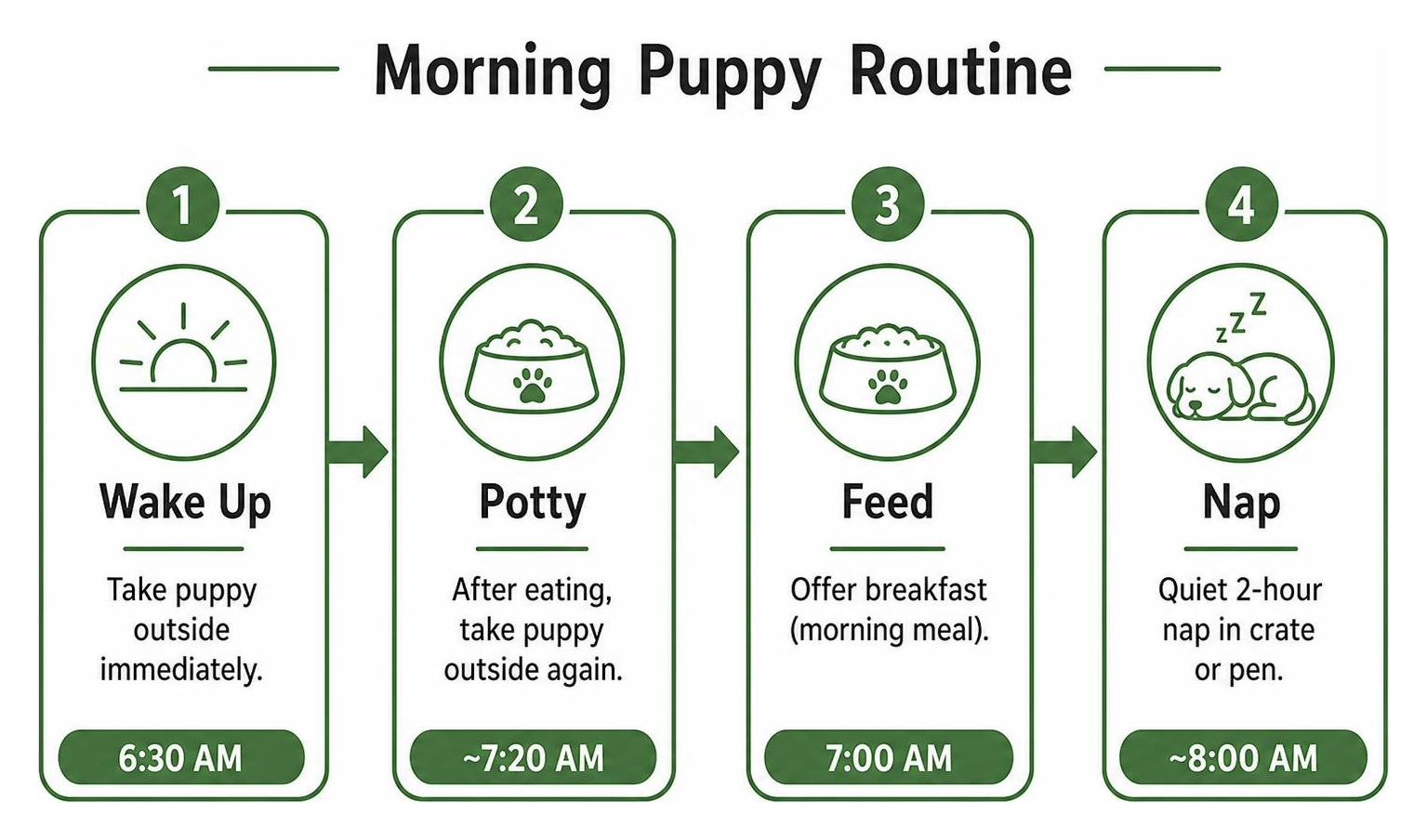
The day begins around 6:30 AM. The second your puppy wakes up, lift them out of the crate and take them directly outside to their designated elimination spot. Do not stop to brew coffee or check your phone. At this age, muscle control over the bladder is still developing, so moving straight to the grass avoids immediate accidents.
Once they eliminate outside, offer praise and head indoors for breakfast at 7:00 AM. Ingesting food triggers the gastrocolic reflex, which stimulates the lower digestive tract within fifteen to twenty minutes. Keep your puppy under direct supervision after they finish eating, then take them back outside for their second potty trip around 7:20 AM.
Spend the remaining twenty minutes of the awake window on quiet interaction: fresh water access, gentle handling, and a quick five minute practice of their name and foundational markers. By 7:45 AM or 8:00 AM, place your puppy in their crate or resting area for their morning nap.
Midday Management: Lunch, Mental Stimulation, and Quiet Rest
At 11:30 AM, wake your puppy for their midday break. Head straight outside to relieve them before serving lunch. Distributing daily calories across multiple meals prevents drops in blood sugar, especially in toy and small breed puppies.
If you are coordinating household routines around work hours, our Housebreaking Schedule Generator helps you calculate precise outdoor intervals based on your dog's age. After eating, let your puppy explore an indoor puzzle toy or snuffle mat for ten minutes. Mental stimulation works their developing mind without stressing fragile growth plates. Finish with an outdoor potty break around 12:15 PM, then return them to their quiet sleep space for a solid midday nap until 2:30 PM or 3:00 PM.
Evening Wind-Down: Dinner, Bonding, and Bedtime
Late afternoon brings the final active blocks of the day. Around 5:00 PM, take your puppy outside, followed by their evening meal. Many puppies experience a burst of frantic energy between 6:00 PM and 7:30 PM, often called the witching hour. This sudden hyperactivity, accompanied by nipping and running, usually signals an overtired brain rather than a need for more intense exercise.
Help them settle by switching to low arousal activities. Practice light grooming with a soft brush, handle their paws and ears, and offer a safe chew. Reviewing proven puppy sleep guidelines can help you spot early fatigue cues before zoomies take over. Offer a final outdoor potty trip between 8:30 PM and 9:00 PM before tucking your puppy into their crate for the night.
Core Pillars of 12-Week Puppy Care: Sleep, Feeding, and Potty Training
Managing a young puppy boils down to three primary biological systems: sleep architecture, digestive pacing, and bladder development. Getting these three pillars aligned prevents the vast majority of common behavioral frustrations.
Structuring Sleep in Your 3 Month Old Puppy Schedule
Puppies at twelve weeks old need between 15 and 18 hours of total sleep every twenty four hours. Without structured rest, puppies become irritable, mouthy, and unable to focus. Following the one hour awake, two hours asleep pattern keeps cortisol levels balanced and supports memory consolidation.
Place the crate in a quiet, temperature controlled room away from foot traffic. Covering the crate with a breathable sheet creates a den environment that limits visual distractions. If your puppy struggles to settle, a consistent wind down routine paired with a safe rubber chew helps them self soothe.
Feeding Frequency and Nutritional Milestones
A twelve week old puppy requires three scheduled meals per day to fuel rapid muscular and skeletal growth. By three months of age, small breed dogs may already reach fifty percent of their adult body weight. Look for high quality puppy formulas balanced with DHA to promote cognitive and retinal health.
Fast eating can cause digestive distress or regurgitation. If your pup eats too fast, transition from standard food bowls to interactive puzzle feeders or use meal portions as training rewards throughout the day.
Potty Training Timelines and Bladder Capacity
At three months old, a puppy can reliably hold their bladder for two to three hours during awake periods, requiring six to ten total potty breaks per day. Accidents happen when owners wait for obvious whining or door scratching signals that a young puppy has not learned to give yet.
Always take your puppy outside immediately after state changes:
- Waking up from any nap
- Finishing a meal or water break
- Ending a session of play or training
- Exiting their crate or pen
When accidents occur indoors, avoid harsh reactions or delayed scolding, which only teaches your pup to hide when eliminating. Clean the area thoroughly with an enzymatic cleaner to remove biological scent markers that invite repeat accidents. For a comprehensive roadmap on house training mechanics, review our Housebreaking Schedule Landing Page.
Training, Teething, and Safe Socialization at 3 Months
Training at twelve weeks is about building engagement, communication systems, and emotional stability. At this age, puppies are eager learners with short attention spans.
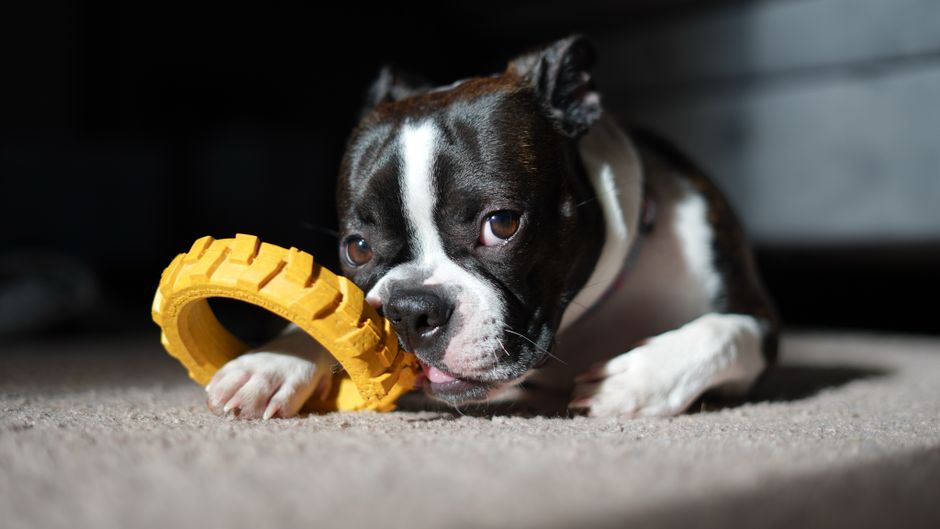
Essential Obedience and Managing Puppy Biting
Keep training sessions to short five to ten minute windows. Focus on fundamental life skills: name response, luring into a sit or down position, and teaching a release marker. Effective training is never about harsh corrections or pure indulgence; it relies on clear expectations, consistent boundaries, fair consequences, and practical management.
Puppies explore the world with their mouths, and twelve week old razor teeth can test any owner's patience. When your puppy bites clothing or skin, immediately withdraw your attention and redirect their teeth onto an appropriate toy. You can find detailed step by step techniques in our guide with puppy trainer tips to stop biting.
Safe Socialization and Navigating Fear Periods
The critical socialization window closes around fourteen weeks of age. Your goal is to introduce your puppy to at least ninety novel, positive experiences by this milestone, as highlighted in veterinary puppy developmental milestones.
Socialization does not mean letting your puppy meet every dog on the street. It means exposing them to diverse surfaces, sounds, sights, and people at a comfortable distance:
- Walking on gravel, wet grass, wood decks, and metal grates
- Hearing vacuum cleaners, delivery trucks, and thunder tracks played at low volume
- Observing people wearing hats, carrying umbrellas, or riding bicycles
Watch for fear responses such as lip licking, tucking the tail, or backing away. If your puppy hesitates, increase distance from the trigger, reward calm curiosity, and never force an interaction.
Teething Relief and Healthcare Milestones
Between twelve and sixteen weeks, baby incisors begin loosening as adult teeth prepare to emerge. Teething causes gum inflammation and an intense desire to chew hard textures. Provide frozen wet washcloths, chilled rubber toys, and edible dental chews to soothe discomfort.
This age also marks vital veterinary care. Your puppy will receive their twelve week core vaccine boosters (such as the second DA2PP dose) and lifestyle vaccines recommended by your vet. Start handling their mouth, paws, and ears daily with gentle rewards so veterinary examinations and future nail trims remain stress free.
Practical Routine Customization and Troubleshooting
Every home operates on a unique rhythm. Adapting your puppy's schedule to your working hours or layout is simple as long as you maintain core sequences: wake, potty, engage, rest.
Adapting the 3 Month Old Puppy Schedule for Working Pet Parents
If you work away from home, an eight hour stretch is too long for a three month old bladder. Set up a long term confinement area using an exercise pen attached to a crate with a wipe clean floor surface.
Arrange for a family member, neighbor, or professional dog walker to provide a midday potty break, short walk, and lunch feeding. Providing appropriate chew items inside the pen builds independent resting habits and helps prevent separation distress.
Solving Nighttime Crying and Early Morning Wake-Ups
Most twelve week old puppies can sleep six to eight hours overnight, but some still require one bathroom trip between 2:00 AM and 4:00 AM.
If your puppy cries during the night:
- Keep the lights dim and avoid talking or playing.
- Clip on a leash and carry them straight to the outdoor potty spot.
- Give them two minutes to eliminate.
- Return them directly to the crate with zero fanfare.
To curb 5:00 AM wake ups, remove water access sixty to ninety minutes before bedtime (unless the weather is hot) and ensure their final evening nap ends early enough to build healthy sleep pressure.
Frequently Asked Questions About 3-Month-Old Puppies
How many hours should a 3-month-old puppy sleep each day?
A three month old puppy should sleep 15 to 18 hours per day. This total includes overnight sleep and four to five daytime naps lasting anywhere from one to two hours each. Hyperactive behavior, frantic pacing, and persistent biting are classic signs that a puppy needs an enforced nap.
How long can a 12-week-old puppy hold their bladder?
During the day, a twelve week old puppy can comfortably hold their bladder for two to three hours while awake. However, bodily state changes like eating, waking, or intense play speed up digestion and require immediate outdoor breaks within minutes.
Can my 3-month-old puppy go on neighborhood walks before full vaccination?
Keep exercise to controlled private areas or clean, low dog traffic paths until your veterinarian clears your puppy after their final booster series. Follow the five minute rule for formal exercise: five minutes of structured walking per month of age, meaning a three month old puppy should walk for no more than fifteen minutes per session.
Building a Lifetime of Good Habits with Your Puppy
Navigating early puppyhood takes patience, structure, and reliable follow through. When you maintain a predictable routine, establish clear boundaries, and communicate expectations early, your puppy learns how to settle into household life with confidence.
If you are a dog owner in Scappoose, St. Helens, Warren, Bethany, Hillsboro, Beaverton, Portland, Vancouver, or surrounding areas feeling overwhelmed by nipping, housebreaking setbacks, or crate training struggles, you do not have to figure it out alone.
Our basic obedience foundation training starts at four weeks of age to give young dogs the clearest start possible. For older dogs requiring complex behavior modification, we utilize dedicated six week and eight plus week programs. Explore our Puppy Jump Start Program to get a clear training roadmap and build a calm, well mannered companion from day one.