
The Definitive Guide to a Dog Behavior Modification Program
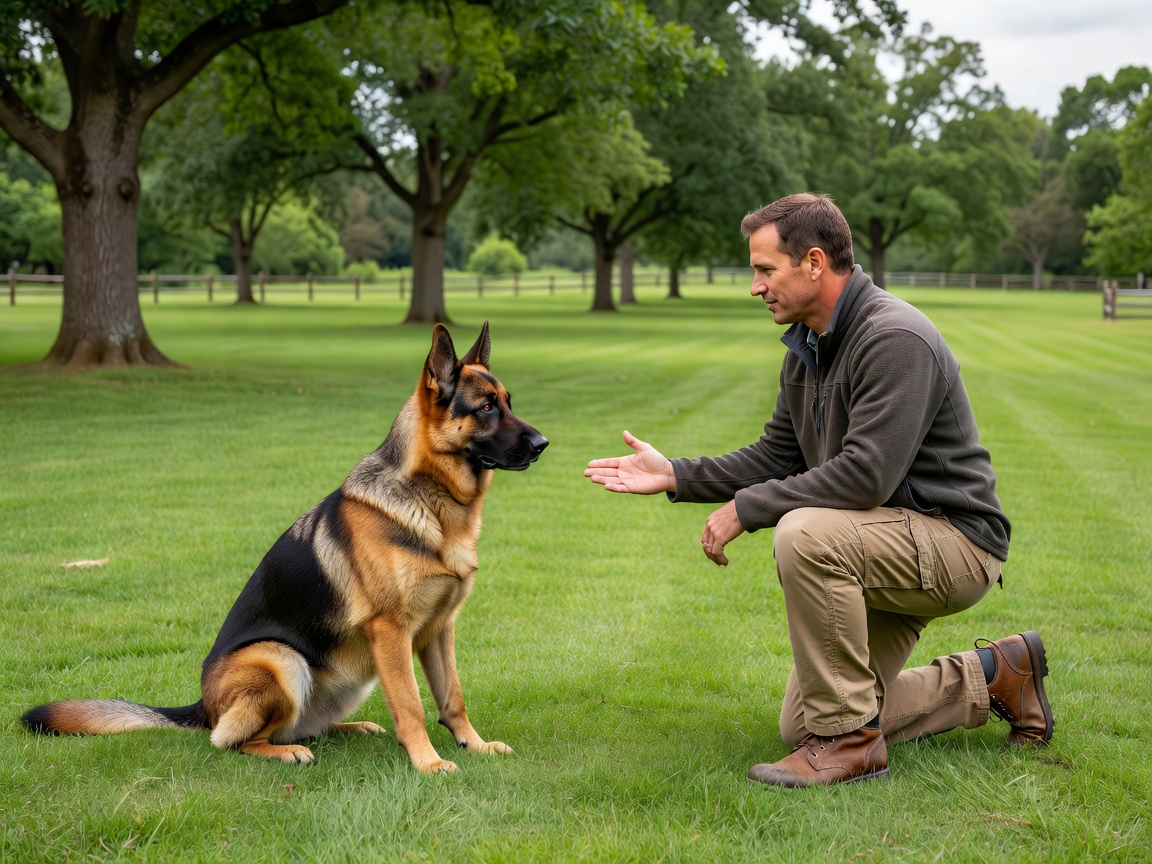
Obedience Training vs. a Dog Behavior Modification Program
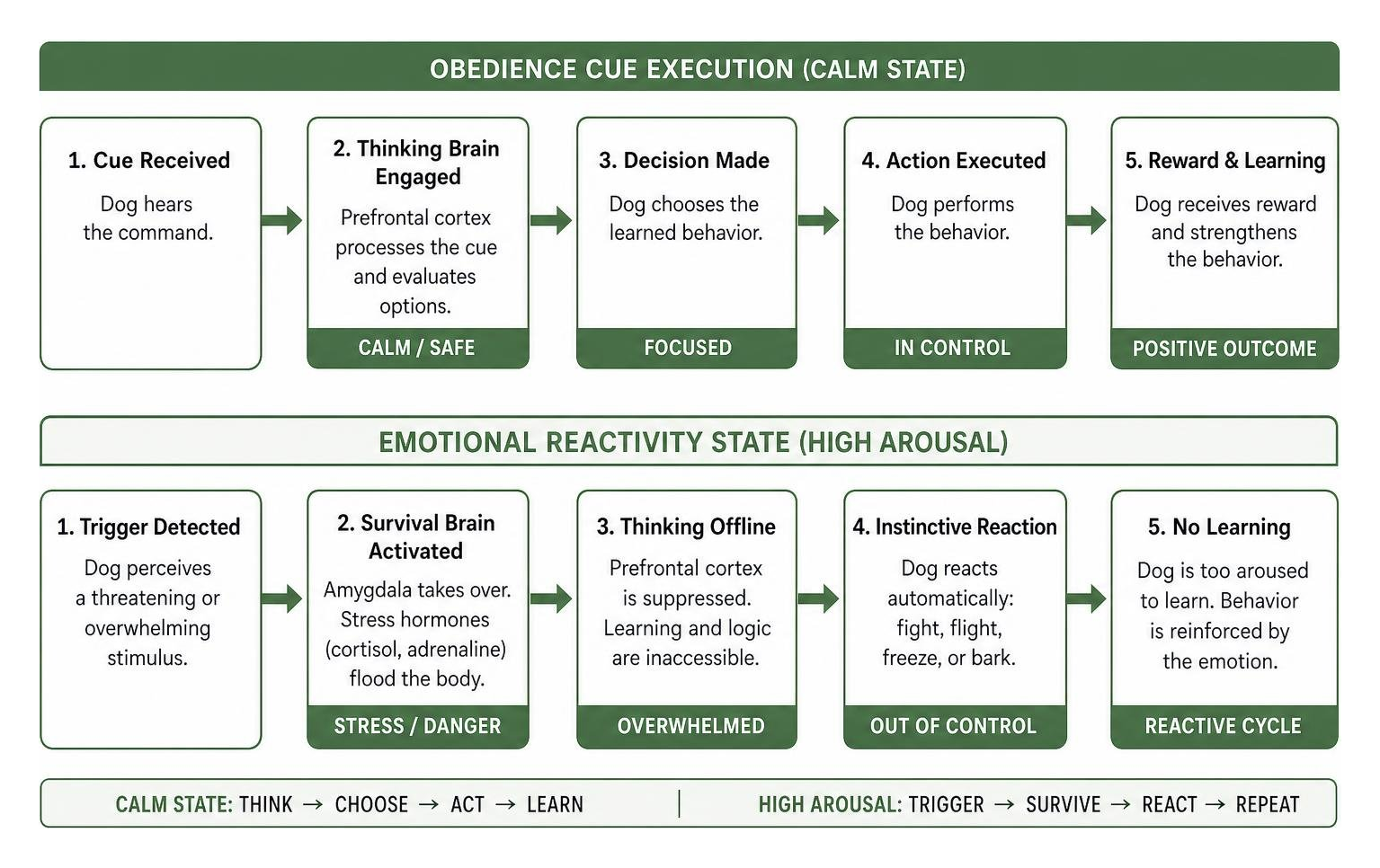
Many dog owners assume that if their dog acts out, they just need more obedience lessons. They practice sit, down, and heel in the living room until the dog is perfect. Then they step outside, see a trigger, and watch the training vanish.
Obedience training focuses on skill acquisition. You give a verbal cue, the dog performs a physical action, and you reward them. This works great when a dog is calm and capable of thinking through their choices.
However, a dog behavior modification program targets the root cause of panic responses and deep seated reactivity. When a dog lunges at a passing car or snarls at a stranger, they are not acting out because they forgot the sit cue. They are reacting to an intense emotional state like fear, frustration, or guard drive. Asking a terrified or over aroused dog to focus on a sit command is like asking a human to solve a algebra problem while running from a bear.
Understanding these emotional drivers is crucial for lasting change. You can read more about these underlying dynamics in our guide on understanding and transforming reactive dog behavior.
How Skill Training Differs from Emotional Reconditioning
When a dog experiences fear or reactivity, their brain releases stress hormones like cortisol and adrenaline. Their heart rate spikes, pupils dilate, and their central nervous system shifts into survival mode.
During these high arousal states, the brain struggles to process complex operational skills. Standard obedience commands fall short because they require cognitive thought, which gets bypassed during a fight or flight reaction.
Behavior modification works by changing the emotional association connected to a specific trigger. Instead of suppressing the outward behavior, reconditioning changes how the dog internalizes the situation. If you shift the emotion from fear to calm neutrality, the unwanted outward reaction disappears naturally. If you feel guilty about your dog's current behavior, check out our piece on how to stop feeling guilty about your reactive dog.
Determining What Your Dog Needs
Knowing whether your dog requires standard training or emotional reconditioning comes down to context and intent. Ask yourself what is driving the behavior:
- Standard Skill Deficit: Your dog runs through the open front door because they never learned a solid stay cue. They are happy, interested in sniffing grass, and easily recalled with high value food.
- Emotional Reaction: Your dog lunges at the door, bark aggressively, and ignore food treats because they hear a neighbor walking past. Their body is stiff, hackles are raised, and their focus is locked on the trigger.
Dogs showing fear responses, extreme leash lunging, a history of bite incidents, or an inability to calm down require specialized intervention. A structured plan helps handler control by establishing clear boundaries and safety protocols while working through underlying stress.
Core Science and Techniques Behind Behavioral Change
Behavior modification relies on established learning theory principles. Dogs are constantly learning through classical conditioning (involuntary emotional associations) and operant conditioning (voluntary behaviors shaped by consequences).
To make progress, training must happen below a dog's emotional threshold level. The threshold is the boundary line where a dog notices a trigger but remains calm enough to process information. Once a dog crosses that line into barking or lunging, learning stops and stress management takes over.
For a scientific breakdown of these foundational concepts, consult the MSD Veterinary Manual guide on behavior modification.
Core Techniques in a Dog Behavior Modification Program
A professional plan uses specific behavioral principles tailored to your dog's unique needs.
- Desensitization: Exposing the dog to a trigger at a very low intensity so they notice it without reacting. Over time, the intensity or proximity is gradually increased.
- Counterconditioning: Changing the dog's emotional feeling toward a trigger by pairing its presence with high value rewards.
- Response Substitution: Teaching the dog an alternative, incompatible behavior to replace the bad one, like walking into a heel position instead of lunging.
- Habituation: Passive exposure to everyday non threatening background stimuli until the dog naturally tunes them out.
- Shaping: Rewarding small incremental steps toward a final desired behavior.
When you block or eliminate reinforcement for an unwanted behavior, you may encounter an extinction burst. This is a brief, temporary increase in the behavior's intensity before it drops off. Owners often assume the training is failing when, in reality, the dog is just trying harder before finally giving up the habit.
| Technique | Goal | Method | Safety Level |
|---|---|---|---|
| Desensitization | Reduce emotional sensitivity | Gradual exposure starting below threshold distance | High |
| Counterconditioning | Change negative emotion to positive | Pair trigger with high value rewards continuously | High |
| Flooding | Force suppression through prolonged exposure | High intensity exposure with no escape allowed | Low (High risk of trauma) |
Understanding these approaches helps owners avoid outdated dominance claims. You can read more in our article covering positive reinforcement vs dominance training.
Identifying Triggers and Reading Canine Body Language
Dogs talk with their bodies long before they ever growl or bark. Recognizing subtle precursor signals allows you to step in before your dog loses control.
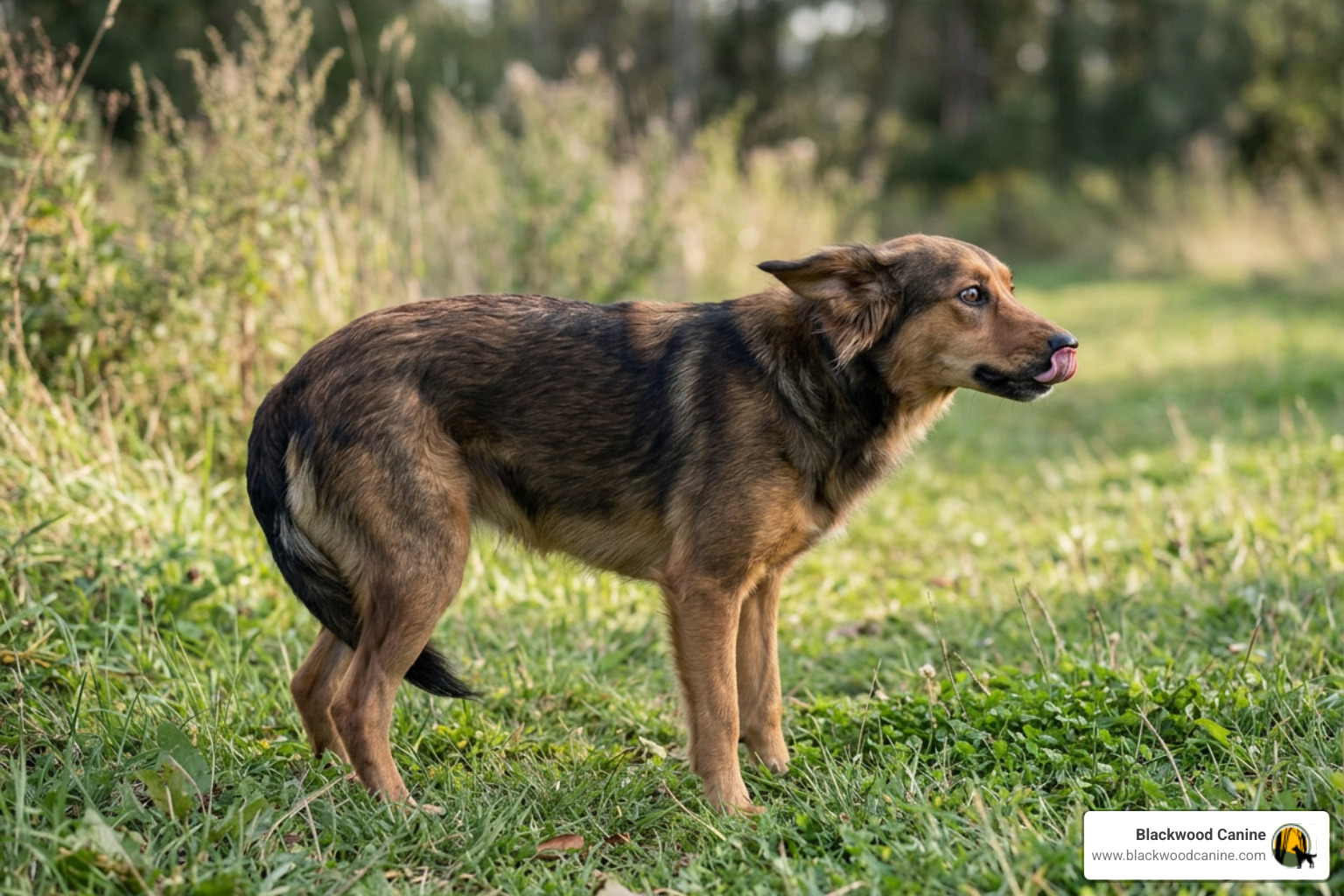
Watch for early signs of stress:
- Lip licking or sudden yawning when no food or tiredness is present
- Facial muscle tension and hard eyes fixed on a specific direction
- Ear position pinned backward or held rigidly forward
- Tail stiffness, slow high tension wags, or a tucked tail
- Sudden cessation of panting or freezing in place
Recognizing these signals helps you implement distance management quickly, preserving your dog's sense of safety.
Step by Step Implementation for Fear, Anxiety, and Reactivity
Fixing severe reactivity requires a systematic, step by step approach. Trying to fast track the process only creates setbacks.
Start by setting up an environmental management plan to prevent your dog from practicing unwanted behaviors. Block window views, avoid peak dog walking hours in your neighborhood, and stop letting your dog react uncontrolled.
Learn more about our dedicated approach on our page covering reactive dog training.
Step by Step Exposure Drills for Reactive Dogs
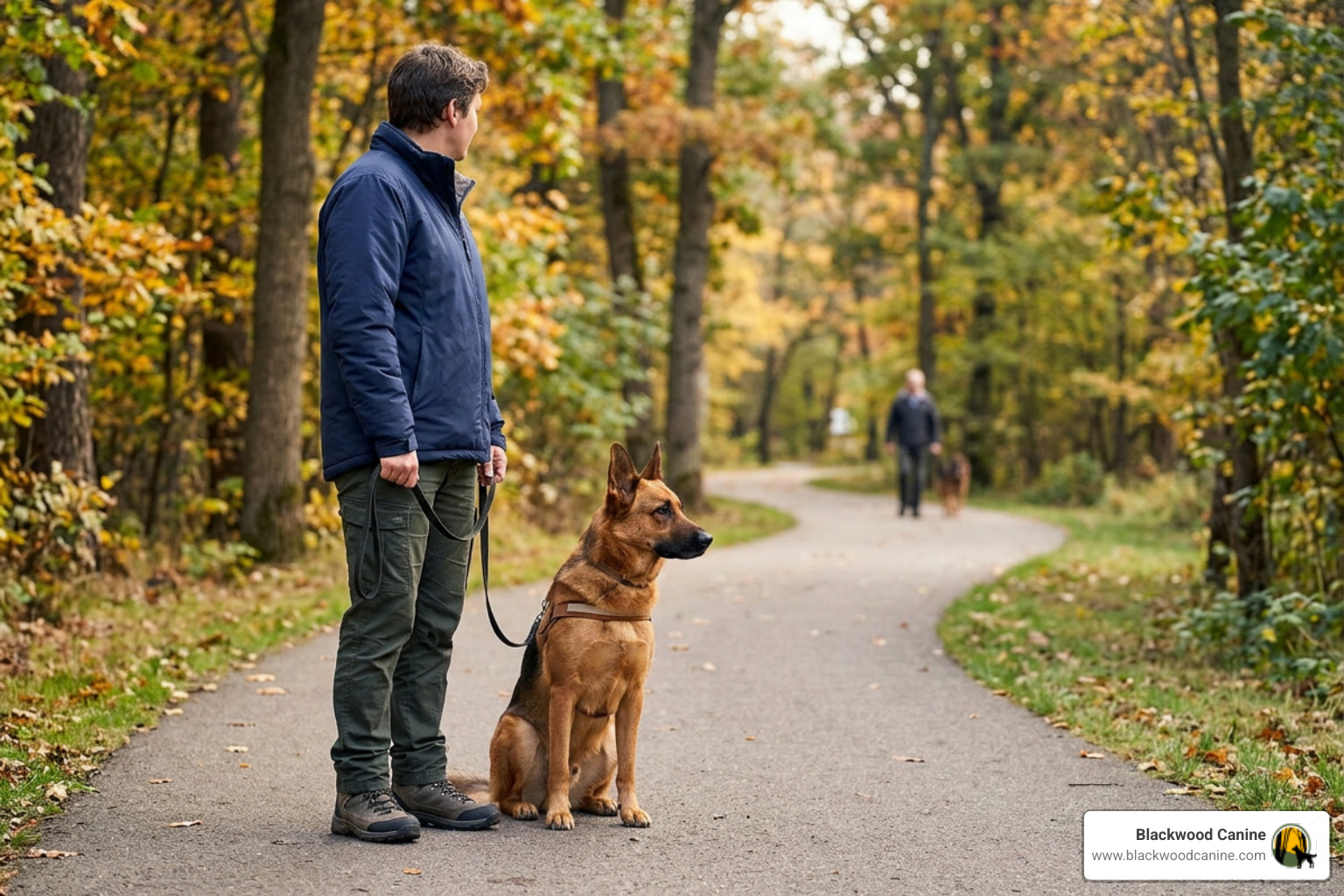
When you are ready to begin controlled exposure work, follow these sequential steps:
- Find the Safe Trigger Distance: Identify how far away your dog can see a trigger while remaining relaxed and capable of taking food rewards.
- Mark and Reward Neutrality: The moment your dog notices the trigger from a safe distance, use a clear marker word and deliver a high value food reward.
- Build Structured Repetition: Repeat this pairing multiple times. You want the dog to look at the trigger and then look back at you expecting a reward.
- Maintain Handler Calmness: Keep the leash loose. Tightening your grip creates tension and signals to your dog that danger is near.
- Slowly Close Distance: Over weeks, gradually shorten the distance to the trigger in small increments, keeping your dog comfortable.
For dogs struggling with deep underlying fear, explore our targeted guide on dog training for fearful dogs.
Avoiding Common Modification Mistakes
Even well intentioned pet owners accidentally undermine their own progress. Watch out for these common errors:
- Inconsistent Rules: Allowing a behavior on some days but correcting it on others creates confusion and frustration.
- Rushing Exposure: Moving closer to triggers before your dog has built emotional stability at wider distances.
- Rewarding Anxiety: Petting and soothing a dog while they are actively trembling or panicking can accidentally reinforce fearful state.
- Accidental Reinforcement: Yielding space or dropping boundaries when the dog throws a tantrum.
Handler failure usually comes down to moving too fast without establishing a solid foundation of daily household boundaries first.
Timeline, Expectations, and the Role of Medication
Behavior modification is a marathon, not a sprint. Rebuilding entrenched neural pathways takes steady repetition and consistent home management.

Every dog moves at their own pace, and set backs are normal. Keeping daily records helps track real progress over weeks and months rather than focusing on day to day fluctuations.
How Long Does a Dog Behavior Modification Program Take?
We do not offer quick fixes or training programs shorter than 4 weeks because genuine behavioral change requires dedicated time.
- 4 Week Minimum: Standard timeline to establish foundational obedience skills and basic clear communication.
- 6 Week Timeline: Typical minimum length for addressing mild to moderate behavior modification, reactivity, and impulse control issues.
- 8 Plus Week Timeline: Essential duration for complex behavior modification involving severe leash aggression, resource guarding, or high fear issues.
Real success relies on owner consistency once formal sessions end. Continued home management ensures long term stability.
When to Involve a Vet or Consider Behavioral Medication
In severe cases, a dog's baseline stress level remains too high for them to learn, even at extended distances. When fear or generalized anxiety dominates their daily existence, consulting a veterinarian or board certified veterinary behaviorist is a wise step.
Targeted pharmaceutical support like SSRIs (such as fluoxetine) can help lower systemic stress and raise the threshold for emotional panic.
Medication is not a magic fix. It acts as a supportive tool to open a window where learning can happen. It must always be combined with active behavior modification and environmental management.
Frequently Asked Questions About Dog Behavior Modification
How do I choose between a certified trainer and a veterinary behaviorist?
Look for trainers with verifiable experience handling severe behavioral issues using clear communication, realistic management, and balanced principles. Be cautious of red flag guarantees that promise 100% fixes within set timeframes. If your dog exhibits unprovoked aggression, sudden severe behavioral shifts, or intense self harm, consult a veterinary behaviorist to evaluate potential neurological or physical causes.
Can an older dog with a bite history still be rehabilitated?
Yes. Age itself is rarely a barrier to learning, though long standing habits take longer to reshape. When dealing with a bite history, safety comes first. Utilizing proper management equipment like muzzles, crate routines, and leash boundaries is essential. Check out our detailed approach to advanced reconditioning to see how deep seated patterns can be addressed safely.
Why did basic command training fail to fix my dog lunging on walks?
Basic commands fail on walks because they target physical compliance rather than underlying emotional arousal levels. When adrenaline spikes, the brain prioritizes survival instincts over learned cues like sit or stay. Until you lower your dog's emotional reactivity and teach them how to handle environmental stress, physical cues will fall apart under pressure.
Taking the Next Step for Your Dog
Dealing with a reactive, anxious, or aggressive dog is exhausting. It strains walks, causes home stress, and makes simple daily activities feel overwhelming.
At Blackwood Canine, we specialize in helping owners move past frustration by using clear communication, structured management, and fair expectations. We support clients across Scappoose, St Helens, Warren, Bethany, Hillsboro, Beaverton, Portland, Vancouver, and nearby communities.
If you are ready to take control, our Behavior Modification Training program provides the roadmap you need. The best place to start is with our Good Dog Game Plan, where we evaluate your dog in person and design a practical, real world path forward. Reach out to us today to get started.