
The Definitive Guide to Aggressive Dog Training in Portland, Oregon
Identifying Causes and Triggers of Canine Aggression

Understanding why your dog acts out is the first step toward fixing the problem. Aggression does not happen in a vacuum. It is usually an emotional reaction to an internal or external trigger. When a dog feels threatened, cornered, or overwhelmed, their natural survival instinct kicks in.
Common root causes include:
- Fear and anxiety: Dogs that feel unsafe often use aggression as a preemptive strike to make the scary thing go away. We often see this when owners seek dog training for fearful dogs after early nervousness turns into defensive snapping.
- Medical issues and physical pain: Underlying issues like hip dysplasia, dental infections, arthritis, or thyroid imbalances can drastically lower a dog's tolerance. For any sudden behavioral shift, a comprehensive veterinary exam is essential to rule out hidden discomfort before adjusting your training plan.
- Resource guarding: A dog may feel compelled to protect high value items such as food, chew toys, favorite resting spots, or even specific family members.
- Territorial behavior: Barking, charging, or fence fighting triggered by people or animals approaching the home, yard, or vehicle.
- Genetic predispositions and past trauma: While genetics provide a baseline for drive and sensitivity, early socialization gaps or past negative experiences can intensify defensive reactions.
Warning Signs Versus Typical Reactivity
Owners frequently confuse leash reactivity with true aggression, though the two require different handling approaches. Reactivity is often an overreaction to normal stimuli, usually driven by barrier frustration, excitement, or mild social uncertainty. True aggression involves the intent to do harm or force another individual away through physical threats.
Learning to read the canine ladder of aggression helps you step in before a situation boils over. Watch for these progressive warning signs:
- Yawning, lip licking, and turning the head away
- Stiffening of the body and sudden stillness (the freeze response)
- A hard, fixed stare with dilated pupils
- Low growling and showing front teeth
- Snapping, air biting, lunging, and direct contact bites
Recognizing these cues early is crucial. By understanding and transforming reactive dog behavior, you can manage your dog's distance before their stress levels spike out of control.
High Density Urban Stressors in the Pacific Northwest
Living in the Pacific Northwest presents specific behavioral hurdles. In neighborhoods throughout Portland, close quarters make it difficult for sensitive dogs to decompress. Narrow walking paths, crowded apartment corridors, coffee shop patios, and popular green spaces put dogs face to face with unexpected triggers daily.
Uncontrolled, off leash dogs in public parks are a primary source of stress for reactive pets. When an off leash dog runs up to a leashed, insecure dog, the leashed animal feels trapped and defenseless. Over time, these repeated surprise interactions teach the dog that they must defend themselves before the other animal gets too close.
Proven Protocols for Aggressive Dog Training Portland Oregon
Standard obedience work like teaching basic sits and downs is not enough to resolve aggression. While obedience gives you functional control, it does not alter how your dog emotionally interprets a scary situation. Modifying deep seated behavioral issues requires a comprehensive, balanced framework.
| Training Element | Standard Obedience Training | Behavioral Modification Protocol |
|---|---|---|
| Primary Focus | Teaching specific physical positions | Altering underlying emotional states and impulse control |
| Environmental Setup | Low distraction, controlled spaces | Strict threshold management in real world environments |
| Handling Mechanics | Basic leash manners and cue delivery | Spatial awareness, defensive handling, and clear communication |
| Core Method | Repetition and simple reward schedules | Desensitization, counter conditioning, and neural resetting |
| Owner Involvement | Practicing daily cues | Overhauling home structure, boundaries, and daily routines |
To reshape dangerous habits, our specialized behavior modification training addresses the root emotional triggers rather than just masking the symptoms.
Behavior Modification and Neural Resetting
When a dog constantly encounters triggers, their body remains flooded with stress hormones like cortisol and adrenaline. This phenomenon, known as trigger stacking, means small events accumulate throughout the day until the dog explodes over a minor stimulus.

Breaking this cycle requires systematic desensitization and counter conditioning. We expose the dog to their trigger at a safe distance where they remain calm, then build positive associations using high value rewards. Over time, advanced re conditioning shifts the dog's conditioned emotional response from panic or defense to neutral engagement with the handler. Our behavior modification guide 2026 explains how consistent routines help clear chronic stress from the nervous system.
Core Methods in Aggressive Dog Training Portland Oregon
Sustainable behavior modification relies on four core pillars:
- Threshold Management: Working strictly at distances where the dog can process information without panic.
- Clear Leash Communication: Using directional leash pressure to guide and support the dog rather than relying on frantic pulling or shouting.
- Structured Obedience with Boundaries: Implementing fair expectations, clear rules, and consistent follow through at home to establish security.
- Balanced Reinforcement and Fair Consequences: Rewarding calm choices generously while using clear, humane boundaries to stop dangerous behaviors from rehearsing. Training tools are never about punishment; when used properly under professional guidance, they offer clear feedback that keeps everyone safe.
Through structured reactive dog training, dogs learn how to check in with their owners instead of making poor, fear driven decisions.
Legal Guidelines, Safety Protocols, and Program Structures
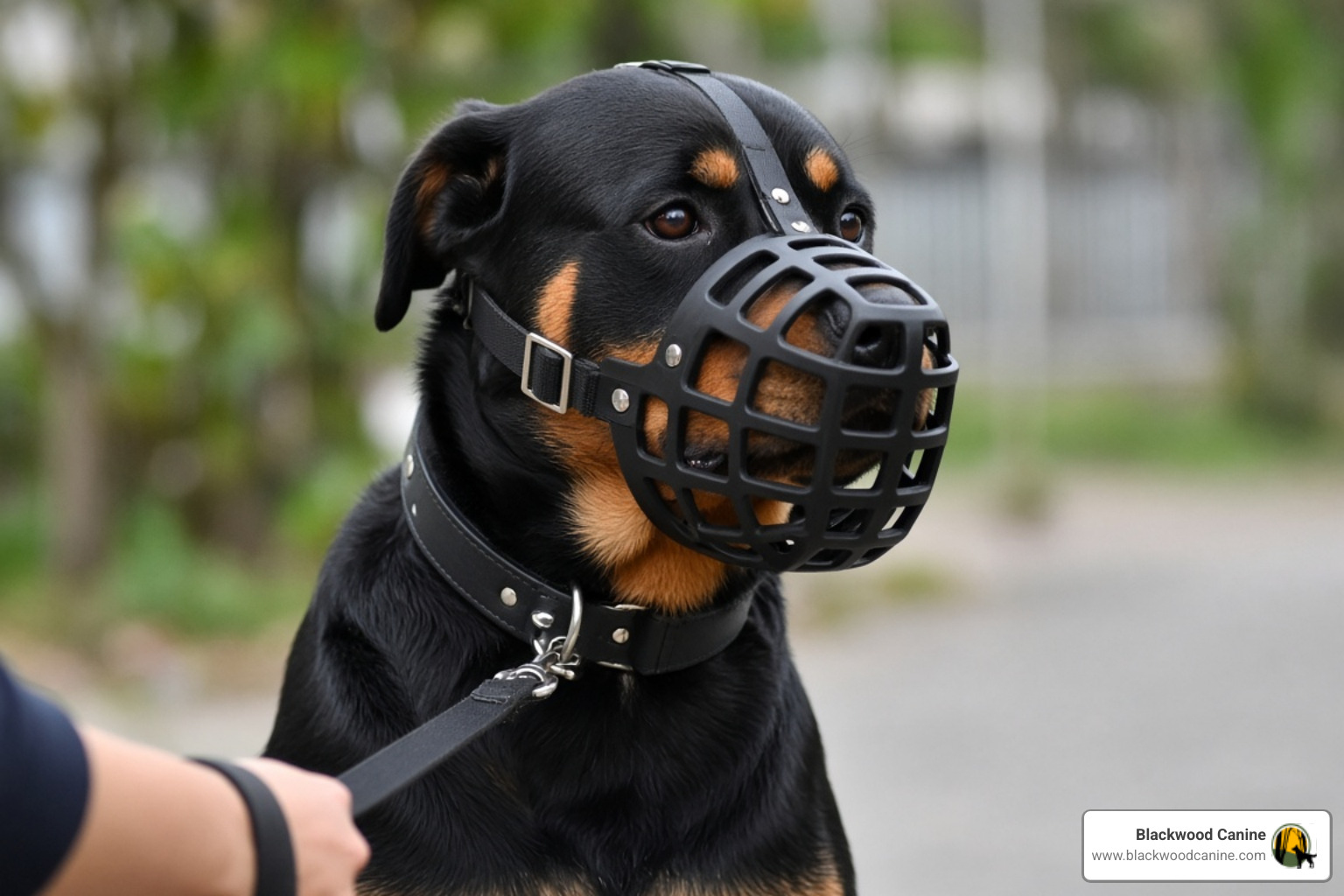
Handling an aggressive dog comes with legal obligations. Under local ordinances across Multnomah, Washington, and Clackamas counties, dog owners are strictly liable for injuries or property damage caused by their pets.
Local regulations dictate that:
- Dogs must remain on a secure leash in all non designated public areas.
- If a dog bites and breaks skin, a mandatory ten day quarantine period is enforced by Multnomah County Animal Services to monitor for rabies.
- Dogs involved in repeated or severe aggressive incidents may be formally classified as potentially dangerous or dangerous, requiring specific insurance policies, posted warning signs, and mandatory muzzling in public.
Community Safety Measures and Essential Gear
Keeping the community safe while rehabilitating a dog is non negotiable. You should never feel embarrassed about using safety tools that prevent accidents.
- Baskerville or Wire Basket Muzzles: A properly fitted basket muzzle allows the dog to pant, drink water, and take treats while eliminating the risk of a bite.
- Double Leash Systems: Attaching one leash to a flat collar and a secondary line to a sturdy harness or backup collar prevents accidental escapes if a clip fails.
- Visual Identifiers: Bright leashes or vests labeled "Needs Space" help alert other pedestrians to give you a wide berth.
- Defensive Walking Strategies: Always scan ahead, use parked cars or hedges as visual barriers, and do not hesitate to turn around to avoid an approaching off leash animal.
Program Timelines for Aggressive Dog Training Portland Oregon
Rehabilitating defensive habits takes dedicated time and real repetition. There are no safe overnight fixes for complex behavioral problems.
Our programs are built on realistic, tested timelines:
- Foundation Programs (4 Weeks Minimum): Our basic obedience foundation starts at four weeks. We do not offer programs shorter than four weeks because establishing baseline focus, reliable communication, and impulse control requires steady repetition.
- Moderate Behavior Modification (6 Weeks): Ideal for dogs with severe leash reactivity, mild resource guarding, or moderate fear issues that need systematic counter conditioning.
- Complex Rehabilitation (8+ Weeks): Reserved for dogs with known bite histories, severe territorial aggression, or deep seated trauma requiring intensive behavioral overhauls.
For dedicated immersion away from daily household triggers, our comprehensive dog behavior camp provides structured daily routines and steady environmental exposure.
Frequently Asked Questions About Canine Aggression
What is the difference between reactivity and true aggression?
Reactivity is an exaggerated reaction to an everyday stimulus, often fueled by frustration, barrier restriction, or overexcitement. A reactive dog may bark and lunge while on leash, but if given off leash freedom, they often lack the intent to harm. True aggression is marked by offensive posturing, calculated lunging, stiff freezes, and deliberate attempts to bite or drive the threat away through physical force.
How much time does it take to rehabilitate an aggressive dog?
Rehabilitation timelines depend on the dog's bite history, genetics, age, and owner consistency. Real progress usually begins within four to six weeks of steady, structured work. However, complex cases often require eight or more weeks of intensive work, followed by months of consistent at home reinforcement to solidify reliable habits.
Can an aggressive dog ever be completely cured?
Aggression is managed and modified rather than cured like an infection. With consistent training, proper boundaries, and clear communication, the vast majority of dogs can live safe, balanced, and stress free lives. However, handlers must remain mindful of their dog's thresholds, maintain daily management routines, and avoid putting their dog into overwhelming situations without support.
Restoring Peace and Rebuilding Trust with Your Dog
Living with an aggressive dog can feel isolating. It is normal to feel frustrated, embarrassed, or anxious every time you clip on the leash or open your front door. You do not have to navigate this process alone, and you do not have to accept a life of constant tension.
Successful rehabilitation comes down to three elements: clear communication, practical management, and persistent follow through. When you replace guesswork with a structured plan, your dog learns they no longer need to defend their space, and you regain peace of mind.
For families in Scappoose, St. Helens, Warren, Bethany, Hillsboro, Beaverton, Portland, and Vancouver who are ready for dependable, hands on support, our immersion dog training programs offer a clear path forward. Let us help you build a safe, reliable relationship with your dog. Reach out today to set up your Good Dog Game Plan and take the first step toward lasting change.