
How to Structure Your 4-Month-Old Puppy's Day
Development Milestones at 16 Weeks: Sleep, Bladder, and Growth
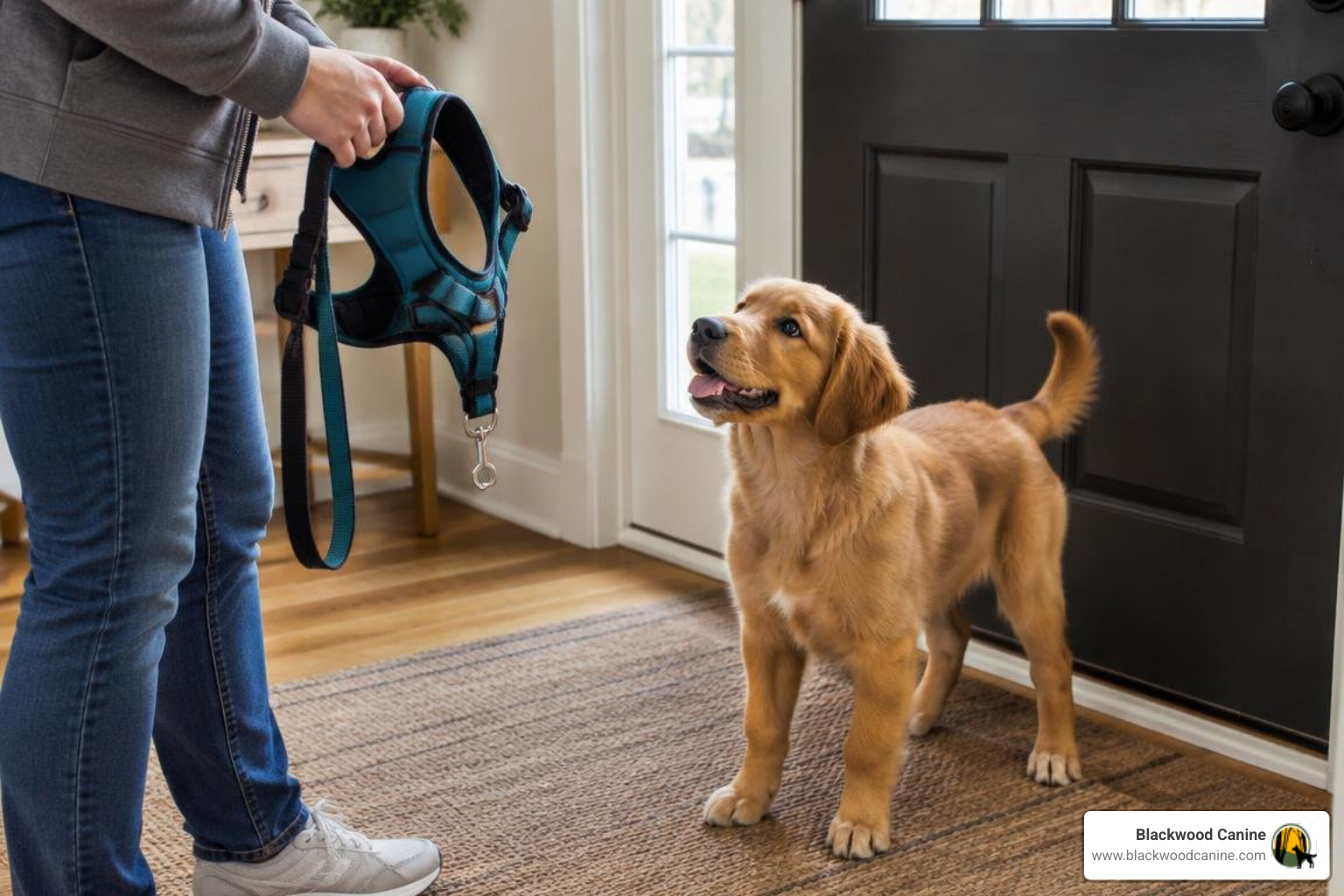
An effective 4 month old puppy schedule balances 4-hour daytime potty intervals (4 to 8 daily bathroom outings), 11 to 12 hours of total sleep, short 5-to-10-minute training blocks, and structured crate naps between wake windows. For busy dog owners in Portland, Beaverton, Hillsboro, and across Oregon and Washington, establishing this predictable rhythm prevents overtired zoomies, reinforces house manners, and curbs destructive chewing before it starts.
Reaching four months is a major turning point. Your puppy is developing rapidly, both mentally and physically. At 16 weeks, their brain is already near 90 percent of its adult size, meaning they process complex environmental cues faster than ever before. This rapid brain development means your puppy notices every household movement, hears every outside noise, and quickly forms lifelong habits based on how you guide them.
Along with mental growth comes improved physical control. A healthy four month old puppy generally has a bladder capacity that allows them to hold their urine for roughly four hours during active daytime hours. That translates to an average of 4 to 8 potty breaks per day. While this offers much more breathing room than the frantic 8 week stage, your pup cannot hold it indefinitely when awake, running around, or drinking water.
Physical discomfort also peaks right now. At four months old, adult incisor teeth and premolars begin to push through the gums, replacing needle sharp baby teeth. This teething phase causes sore gums, excess drooling, and a sudden urge to gnaw on anything in sight. Setting up a reliable bathroom rhythm helps prevent setbacks, and reviewing an easy way to potty train a puppy can keep your house training solid during this developmental shift.
Why Nap Windows Shape Your 4 Month Old Puppy Schedule
Many owners assume that because their puppy is bigger and faster, they need constant exercise. In reality, a four month old puppy needs around 11 to 12 hours of sleep per day to properly recover, regulate emotions, and process learning.
When puppies miss their necessary nap windows, they do not just get sleepy. They become overtired, frantic, nippy, and unable to focus. These frantic zoomies and sudden biting episodes are classic signs of exhaustion rather than excess energy. Following a structured Age-Appropriate Puppy Training Schedule helps you balance active wake windows with predictable crate rest.
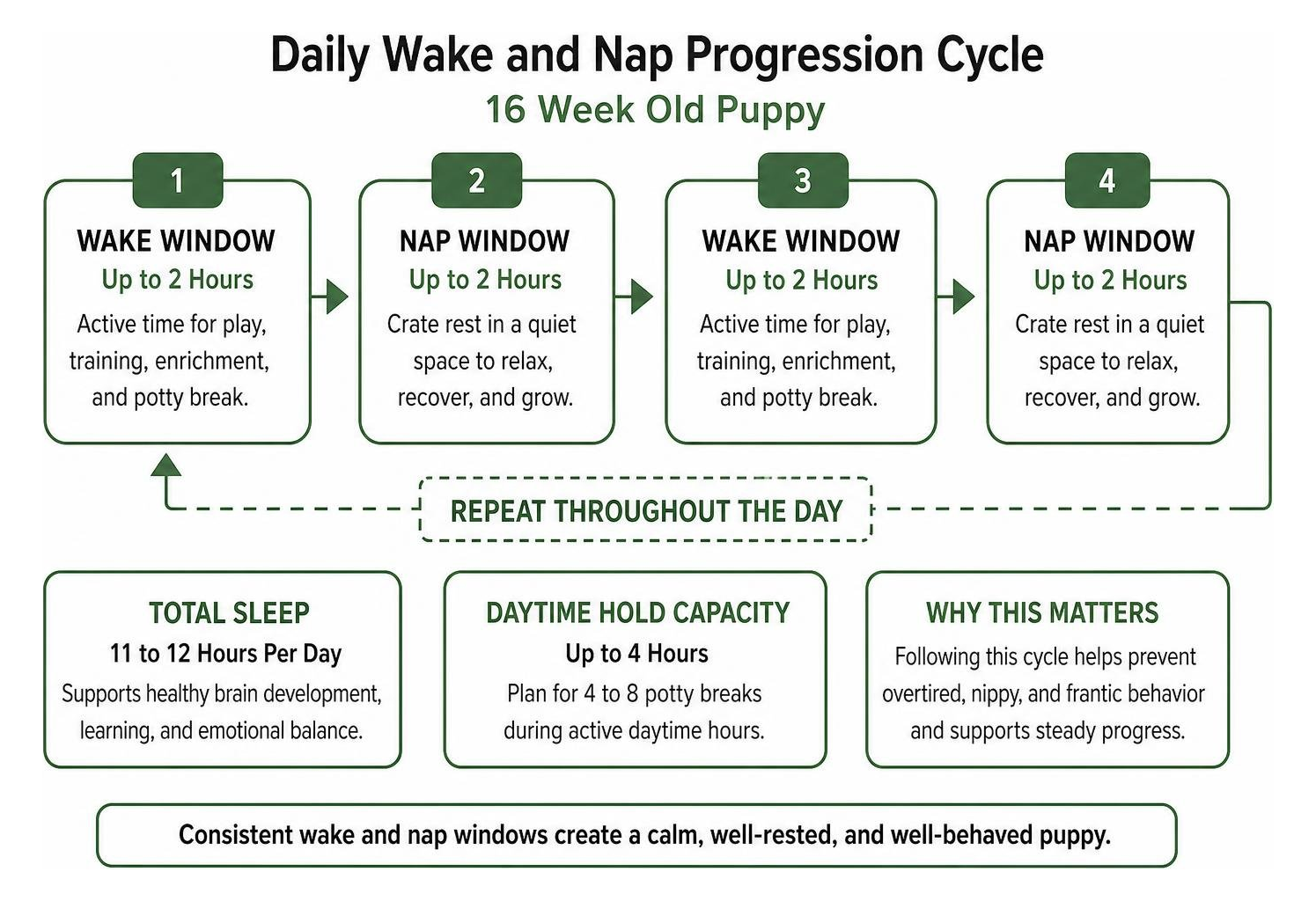
Structured crate rest is essential. Crates should serve as safe, quiet dens where your pup can switch off without household distractions. Keep training sessions short, around five to ten minutes, and follow active sessions with immediate rest to keep your pup emotionally balanced and receptive to daily guidance.
The Complete 4 Month Old Puppy Schedule: A Realistic Daily Routine
Puppies thrive on a predictable sequence of events rather than strict calendar precision. At 16 weeks, your pup is showing more independent exploratory behaviors. If you do not give them structure, they will invent their own entertainment, which usually involves chewing baseboards, chasing household pets, or digging in the yard.

A solid daily schedule balances physical relief, proper nutrition, mental stimulation, clear boundaries, and structured downtime. Having consistent morning, midday, and evening blocks prevents confusion and makes household management straightforward. If you need a customized framework based on your exact work hours, our housebreaking schedule generator is a great tool to map out your day.
Step-by-Step Breakdown of a 4 Month Old Puppy Schedule
Here is a practical schedule outline designed for real life:
| Time Block | Primary Activity | Focus & Details |
|---|---|---|
| 7:00 AM | Wake Up & Potty | Immediate outdoor relief, light praise, fresh water. |
| 7:30 AM | Breakfast & Training | Mealtime combined with 5 minutes of basic impulse control. |
| 8:00 AM | Potty & Short Walk | Bathroom trip, structured leash walk around the block. |
| 9:00 AM – 12:00 PM | Morning Nap | Structured rest in a quiet crate or exercise pen. |
| 12:00 PM | Midday Potty & Play | Bathroom trip, active play, midday meal (if on 3 meals). |
| 1:00 PM – 4:00 PM | Afternoon Nap | Uninterrupted quiet rest window. |
| 4:00 PM | Potty & Mental Work | Quick relief, short obedience practice, chew toy session. |
| 6:00 PM | Dinner & Evening Relief | Evening meal, outdoor bathroom break, calm family time. |
| 7:30 PM | Low Key Play & Settle | Gentle interaction, redirecting chewing to safe toys. |
| 9:30 PM | Final Nighttime Outing | Quiet, business only bathroom trip right before bed. |
Feeding, Training, and Safe Socialization Priorities
Nutrition needs shift at four months based on size. Small breed dogs can often decrease meals from three times daily to two times daily at this age. Medium, large, and giant breed dogs still need meals three times a day to support rapid skeletal growth and steady blood sugar.
Rapid eaters present a different challenge. If your dog inhales food in seconds, it can cause digestive upset or gas. Implementing strategies from does your pup eat too fast? Puppy training methods for speed eaters helps slow intake and provides mental exercise through slow feeders or training games.
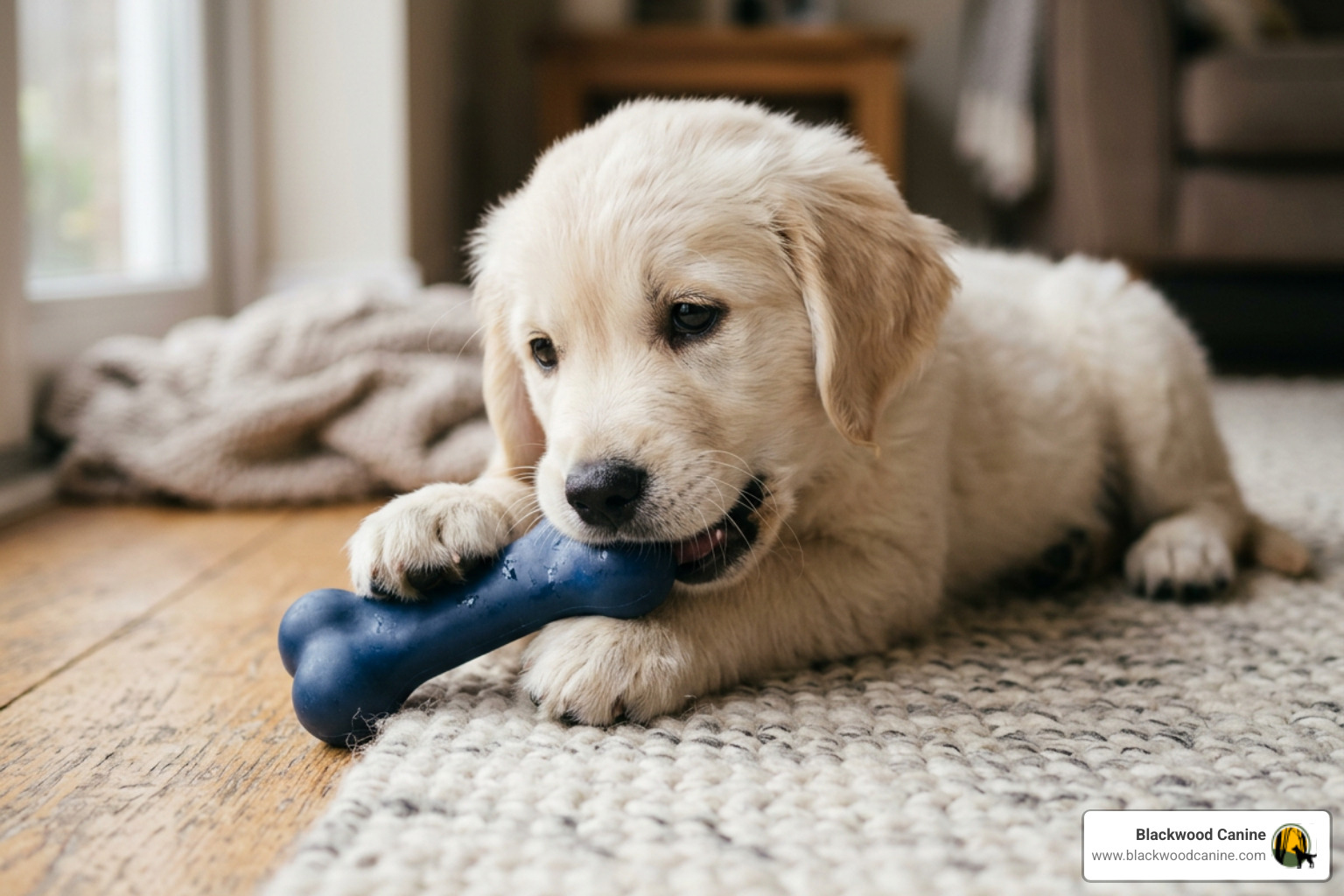
Teething management also directly affects daily behavior. With adult incisors coming in, puppies experience mouth pain that drives intense chewing. Over 80 percent of dogs develop dental disease before three years old, so this is the ideal window to introduce gentle handling and tooth brushing. If sore gums lead to mouthy behavior on your arms, check out is your pup a nipper? Try these puppy trainer tips to stop biting for clear redirection techniques. Four months is also a common time to complete microchipping and ensure collar identification is secure.
Post-Vaccination Socialization and Basic Manners
The 16 week mark typically coincides with the final round of core puppy vaccinations (DA2PP and rabies). Once your veterinarian gives the all clear, you can expand your puppy's world.
Socialization at this stage is not about letting your dog greet every person and dog they see. True socialization means teaching your puppy to remain neutral, calm, and attentive in novel environments.
Key priorities right now include:
- Leash Manners: Walking politely without pulling toward distractions.
- Impulse Control: Waiting at open doorways and sitting calmly before meals.
- Clear Boundaries: Rewarding calm behavior and stepping in with fair management when the pup gets unruly.
- Bite Inhibition: Teaching soft mouth pressure and redirecting to acceptable chew toys.
Building reliable responses requires real structure. Reviewing the essentials of basic obedience dog training will help you establish consistent communication, clear expectations, and effective management every day.
Frequently Asked Questions About 4-Month-Old Puppies
How long can a 4-month-old puppy hold their bladder?
A common guideline is one hour per month of age. At four months old, most puppies can hold their bladder for roughly four hours while awake, provided they are not actively exercising or drinking excessive water. During overnight sleep, their metabolic rate slows down, allowing many 16 week old puppies to sleep six to eight hours without needing a bathroom break.
How many meals should a 4-month-old puppy eat each day?
Meal frequency depends heavily on your puppy's breed and mature size:
- Small breeds: Can often transition from three meals to two meals per day at four months.
- Medium, large, and giant breeds: Should remain on three meals per day until roughly six months old to ensure steady nutrient absorption and avoid overburdening their digestive tracts.
Always check with your veterinarian to verify proper caloric intake for your puppy's growth rate.
Why is my 4-month-old puppy suddenly chewing everything?
Sudden, intense chewing at 16 weeks is usually caused by the eruption of adult incisors and premolars. The pressure of adult teeth pushing through sore gums creates a strong urge to bite hard surfaces. Provide durable rubber chew toys, frozen washcloths, or chilled safe chews to give relief, and manage their access to shoes, cords, and furniture.
Practical Steps for a Confident, Well Mannered Companion
Raising a four month old puppy takes patience, clarity, and real follow through. Training is far more than teaching a couple of tricks. It requires clear expectations, fair boundaries, consistent management, and steady repetition across your entire household. When you give your puppy a reliable daily rhythm, you eliminate confusion and set them up to thrive.
If you are dealing with persistent schedule disruptions, potty regression, or mounting frustration, having professional support makes all the difference. Our basic obedience foundation training starts at 4 weeks of structured work, giving you the practical tools and management strategies needed for long term success. For complex behavioral challenges, we provide comprehensive 6 week and 8 plus week programs.
Ready to replace stress with reliable teamwork? Take the next step with our Puppy Jump Start Program and build a solid foundation that lasts a lifetime.