
The Science of Changing Habits: An Introduction to Behavior Modification
What Behavior Modification Actually Is (And Why It Matters for Your Dog)
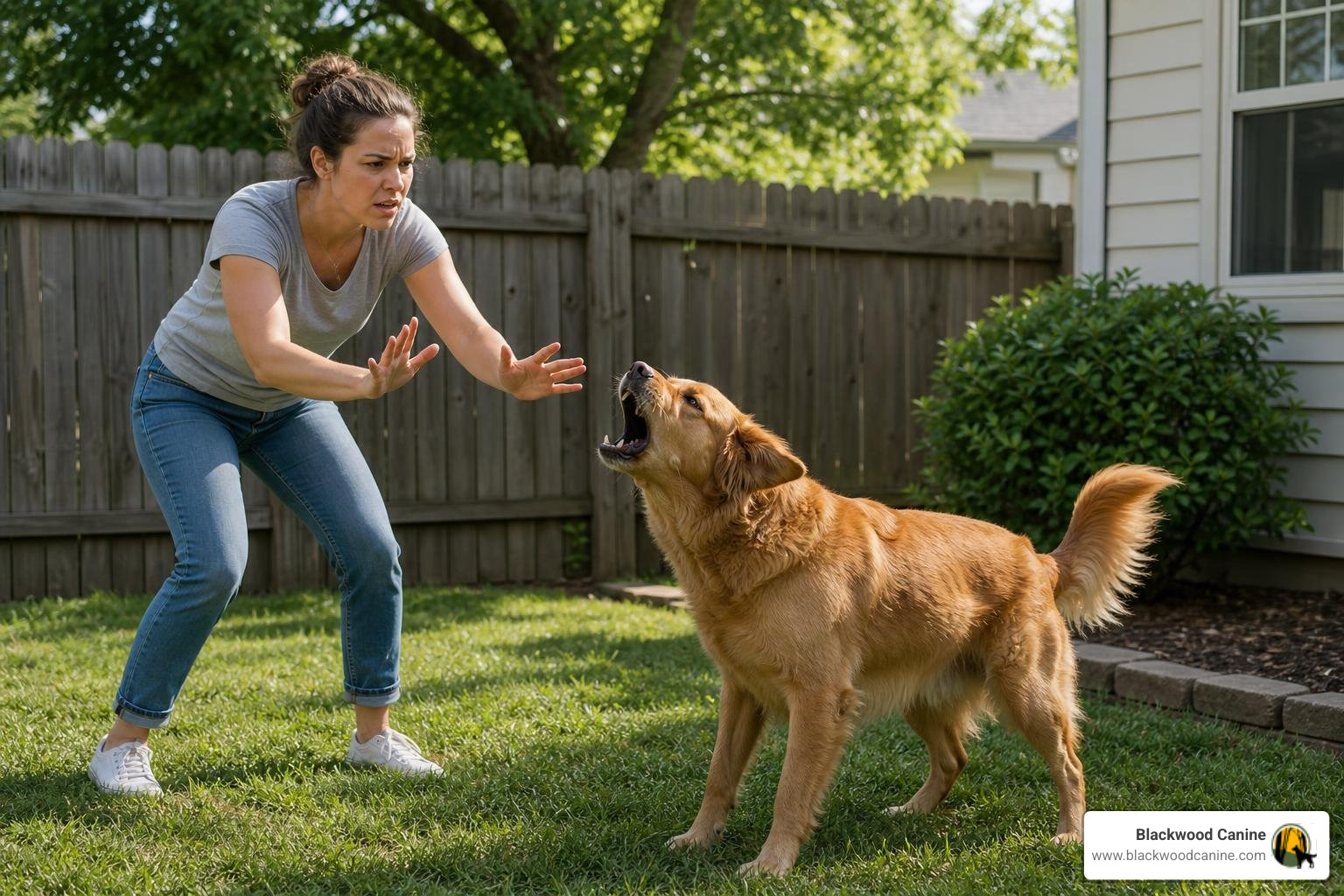
Behavior modification is a science-based approach to changing specific, observable behaviors using consequences like rewards, removal of rewards, and consistent follow-through. It does not focus on feelings or personality. It focuses on what the animal or person does, and what happens right after.
Here is a quick breakdown:
| Term | What It Means |
|---|---|
| Positive reinforcement | Add something good to increase a behavior |
| Negative reinforcement | Remove something unpleasant to increase a behavior |
| Positive punishment | Add something unpleasant to decrease a behavior |
| Negative punishment | Remove something good to decrease a behavior |
| Extinction | Stop reinforcing a behavior until it fades out |
The core idea is simple. Behavior that gets rewarded gets repeated. Behavior that gets no payoff eventually stops. That principle holds whether you are working with a child, an adult trying to change a habit, or a dog that will not stop jumping on your guests.
It sounds straightforward. But most people who struggle with their dog's behavior are not failing because they lack love or effort. They are failing because the system is inconsistent, the timing is off, or the consequences are not clear enough to actually change anything.
Successful behavior change almost always requires more than a command and a treat. It takes clear expectations, smart management of the environment, fair and well-timed consequences, repetition, and real follow-through from everyone involved. Miss one of those pieces consistently, and the plan falls apart.
I'm David Wright, founder of Blackwood Canine, and I have been applying the principles of behavior modification to help dog owners in the Portland and Vancouver area since apprenticing under an experienced trainer for five years. I have seen that the science works when it is applied consistently and with a clear system behind it.
What Is Behavior Modification?
To understand how to change a habit, we have to look at the science of behavior. The term was first used by Edward Thorndike in 1911. Later, psychologist B.F. Skinner expanded the field by studying how consequences shape actions.
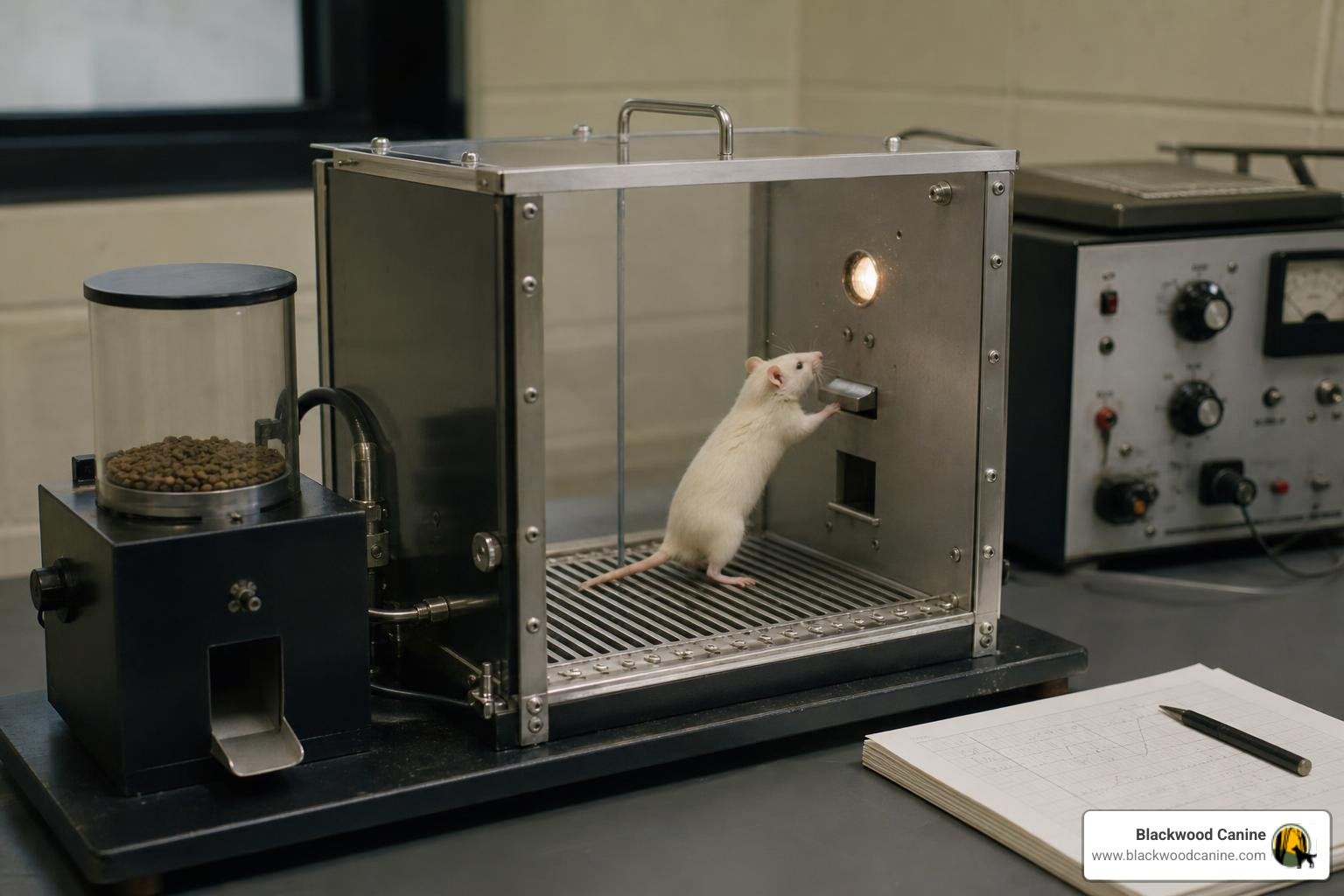
Unlike other types of psychology, this approach does not spend time guessing about subconscious thoughts or deepseated emotional histories. It focuses strictly on overt, observable behavior. If we can see it, we can measure it. If we can measure it, we can design a plan to change it. You can read more about the history on this Scientific overview of behavior modification.
There are two main types of learning that drive behavior:
- Respondent conditioning: Also known as classical or Pavlovian conditioning. This is involuntary learning. A dog hears a food bowl clink and automatically starts drooling. The sound of the bowl becomes paired with the food.
- Operant conditioning: This is voluntary learning. The subject performs an action, and the consequence of that action determines whether they will do it again. If a dog sits and gets a piece of real chicken, they are more likely to sit next time. If they touch a hot stove, they will not touch it again.
Core Principles: Reinforcement, Punishment, and Extinction
The entire system of operant conditioning rests on four quadrants and the concept of extinction. In behavioral science, "positive" means adding something, and "negative" means taking something away. It has nothing to do with moral good or bad.
Positive reinforcement adds a desirable reward to increase a behavior. This is the fastest and most effective way to teach a brand new behavior. Negative reinforcement removes an unpleasant stimulus to increase a behavior. For example, a driver buckles their seatbelt to stop the annoying warning chime. The behavior of buckling the seatbelt increases because it removes the noise.
Punishment is designed to decrease a behavior. Positive punishment adds an unpleasant stimulus, such as a verbal correction or a spray bottle, to stop an action immediately. Negative punishment removes a valued item, like taking away a teenager's phone or turning your back on a jumping dog, to stop the behavior. You can learn more about these quadrants in this Guide to behavior change techniques.
Extinction occurs when you completely stop reinforcing a behavior that was previously rewarded. If a puppy barks for attention and you consistently ignore them, the barking will eventually stop. However, before it stops, you will usually experience an extinction burst. This is a temporary, dramatic increase in the intensity and frequency of the unwanted behavior. The puppy will bark louder and faster because they are trying harder to get the reward they used to get. If you give in during an extinction burst, you accidentally reward the extreme behavior, making it even worse.
Once a behavior is extinguished, it can sometimes reappear later out of nowhere. This is called spontaneous recovery. It is a normal part of the learning process, and continuing to ignore the behavior will quickly make it disappear again.
How It Differs from Cognitive Behavioral Therapy
People often confuse behavioral therapy with cognitive behavioral therapy. While they share some roots, they have very different focuses.
Cognitive behavioral therapy is insight oriented. It focuses on identifying internal thoughts, beliefs, and emotions, and then restructuring those thoughts to change how a person feels and acts. It is a highly effective approach for humans who can speak, reflect, and analyze their own minds. You can explore these differences further in this Comparison of behavioral therapies.
In contrast, behavior modification is purely action oriented. It does not require the subject to understand why they behave a certain way. It simply changes the environment and the consequences to reshape the physical actions. Because of this, it is highly effective for young children, individuals with developmental differences, and domestic animals. Your dog cannot sit on a couch and talk about their childhood anxiety, but they can absolutely learn new habits through clear, consistent consequences.
Core Components and Schedules of Reinforcement
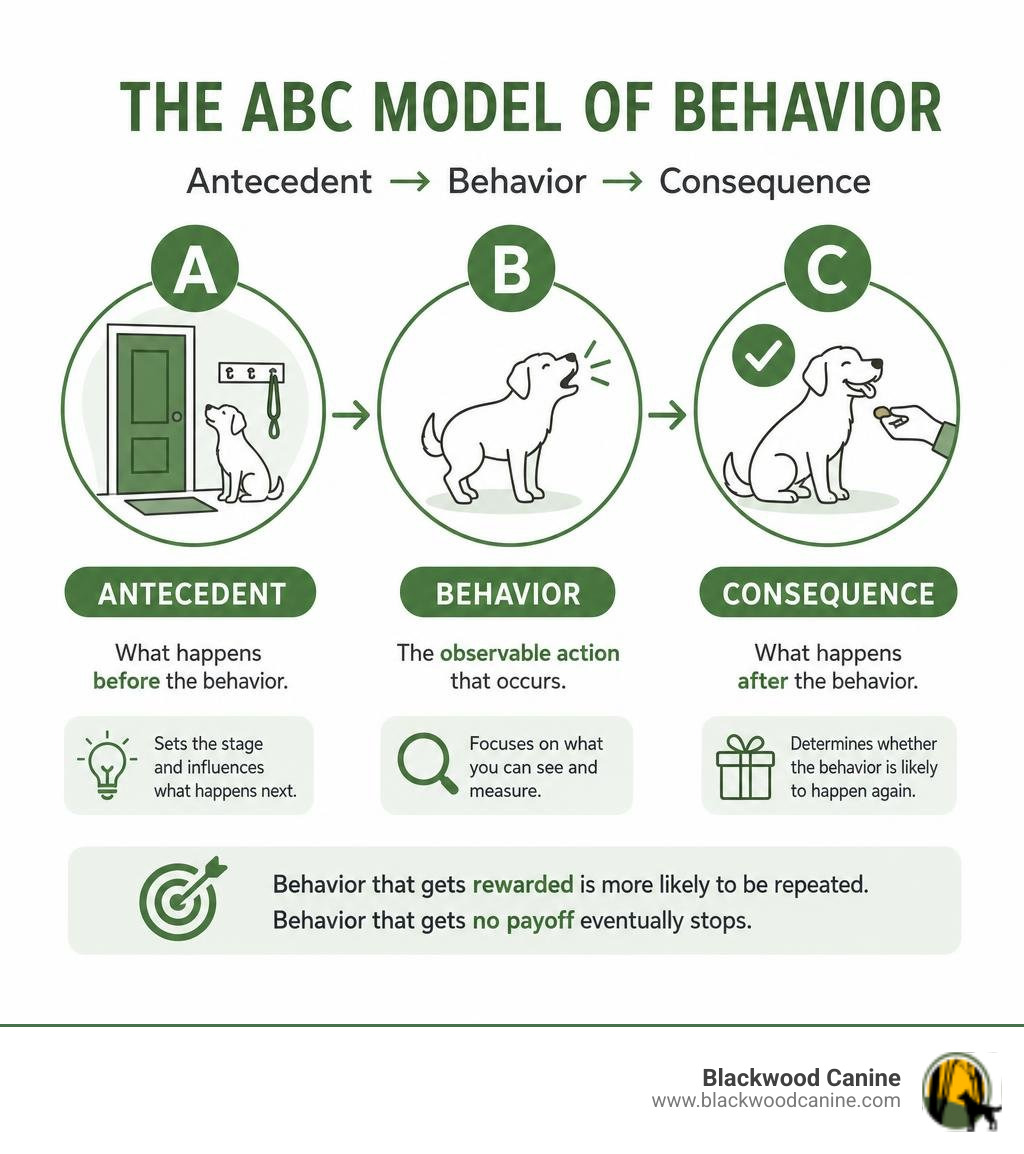
Before you can change a behavior, you have to understand why it is happening. This is where a Functional Behavior Assessment comes in. Instead of just trying to suppress a symptom, we look at the whole picture using the ABC framework:
- Antecedent: The trigger that happens right before the behavior.
- Behavior: The physical, observable action.
- Consequence: What happens immediately after the behavior.
If a dog barks at the window when the mail carrier arrives (antecedent), barks loudly (behavior), and the mail carrier walks away (consequence), the dog believes their barking forced the intruder to leave. The consequence reinforced the behavior.
To build an effective plan, we must balance proactive and reactive strategies:
| Proactive Interventions (Before the behavior occurs) | Reactive Interventions (After the behavior occurs) |
|---|---|
| Modify the environment to prevent the trigger | Apply a consistent, well timed consequence |
| Teach an alternative, acceptable replacement behavior | Use extinction by withholding the expected reward |
| Meet the subject's physical and mental needs first | Redirect the subject to a safe, structured task |
We also use techniques like shaping, which is the process of reinforcing gradual steps toward a final goal. If you are teaching a dog to roll over, you do not wait for them to do the whole thing. You reward them for lying down, then for tilting their head, then for lying on their side, and finally for rolling all the way over.
In human settings, practitioners often use a token economy. This is a system where a person earns physical tokens or points for good behavior and later exchanges them for valued privileges. Research has shown that token systems can cause a ninefold increase in task completion compared to baseline levels.
Designing a Canine Behavior Modification Program
When we design a program for a dog, we focus heavily on clear communication and practical management. Many owners in Scappoose, Warren, and St. Helens feel overwhelmed because they are trying to use mixed signals or outdated training ideas.
We do not believe in using physical dominance or confrontational methods. Science shows that confrontational training actually increases fear, avoidance, and aggression in dogs. At the same time, we do not believe that purely positive, treatonly training is always enough for serious behavior issues. True training requires clear expectations, smart management of the environment, and fair, consistent consequences.
If you want to understand our approach to training, you can read our guide on Dog Training Methods: Positive Reinforcement vs Dominance Training.
If you are dealing with a dog that lunges, barks, or overreacts on walks, you are not alone. Many owners in Bethany, Hillsboro, and Beaverton struggle with this. We have put together a resource on Understanding and Transforming Reactive Dog Behavior to help you make sense of what your dog is going through.
Most importantly, we want you to stop feeling bad. You did not break your dog, and feeling embarrassed or frustrated will not help them learn. You can read our advice on how to Stop Feeling Guilty About Your Reactive Dog to help you get back on track with a clear head.
Establishing vs Maintaining Behaviors with Reinforcement Schedules
How often you deliver a reward changes how quickly a behavior is learned and how long it lasts.
When you are teaching a brand new behavior, you must use continuous reinforcement. This means you reward the behavior every single time it happens. This builds a fast, clear association between the action and the reward.
Once the behavior is established, you must transition to intermittent reinforcement. If you keep rewarding every single time, the behavior will actually become weaker and highly sensitive to extinction the moment you stop carrying treats. By thinning the schedule of reinforcement, you teach the subject to keep trying even if they do not get a reward every time.

There are four types of intermittent schedules:
- Fixed ratio: The reward is delivered after a set number of responses. For example, a factory worker gets paid for every ten items they assemble.
- Variable ratio: The reward is delivered after an unpredictable number of responses. This is the slot machine effect. Because the next pull could be the big winner, the subject keeps trying with high intensity. This is the most powerful schedule for making a behavior highly resistant to extinction.
- Fixed interval: The reward is delivered after a set amount of time has passed, provided the behavior occurs. A student might study hard only in the days leading up to a scheduled monthly exam.
- Variable interval: The reward is delivered after an unpredictable amount of time has passed. This creates slow, steady, and highly consistent behavior because the subject never knows when the payoff will come.
To dive deeper into how these schedules work across different species, you can consult this comprehensive resource on Textbook principles of behavior modification.
Real World Applications and Ethical Considerations
The beauty of behavioral science is that it works across different settings, species, and goals. In humans, lifestyle medicine relies heavily on these principles to help people build healthy habits.
For example, the Trevose Behavior Modification Program has shown incredible, lasting success in helping individuals lose weight and manage binge eating. By using structured support, clear tracking, and environmental management, participants are able to bridge the gap between their healthy intentions and their daily actions. To read more about how these principles are used for human health, check out this Clinical review of lifestyle behavior modification.
Clinical Behavior Modification for ADHD and Autism
In clinical settings, behavior modification is considered a primary, evidence-based intervention for children and adults with Attention Deficit Hyperactivity Disorder (ADHD) and Autism Spectrum Disorder (ASD).
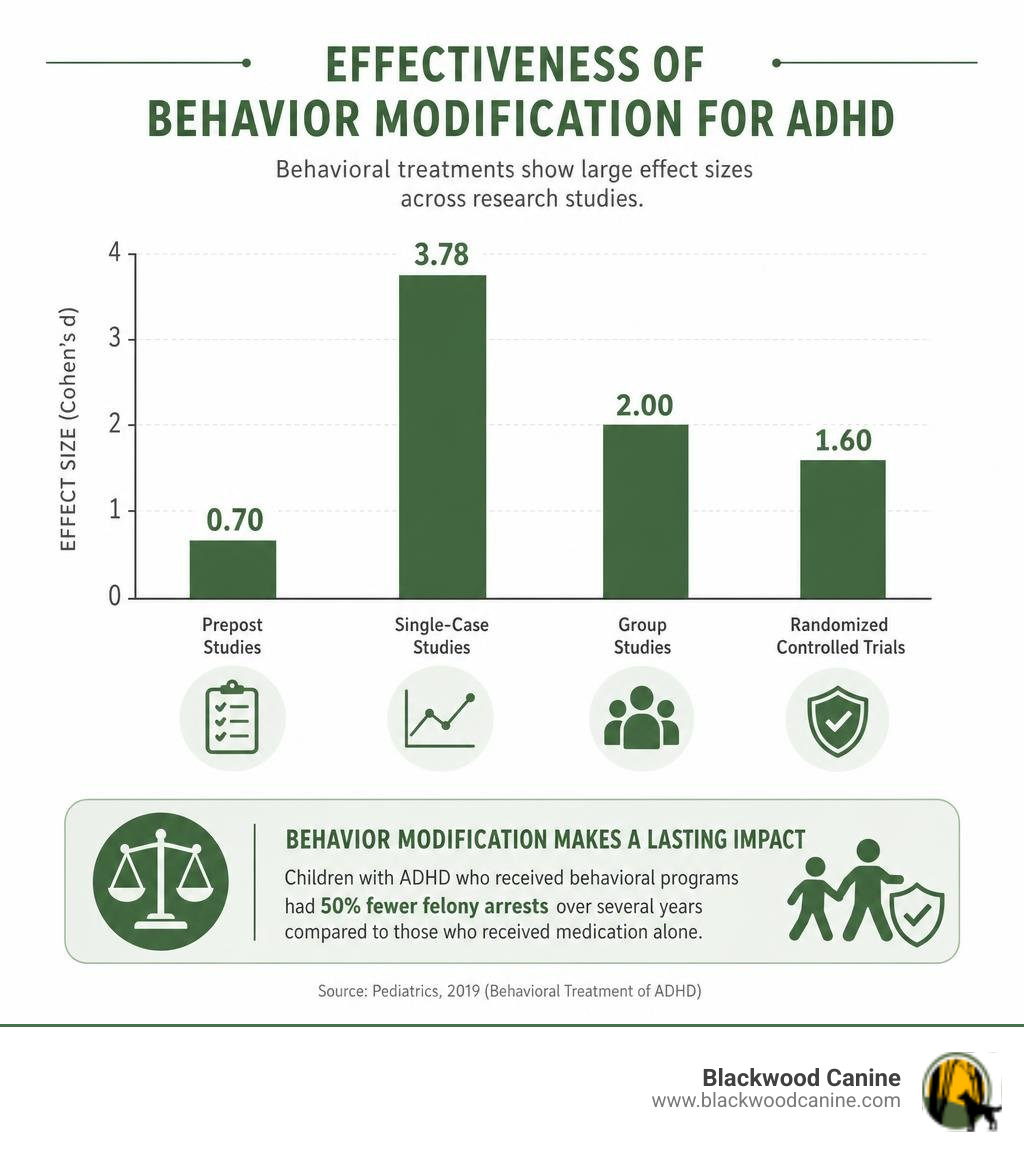
Applied Behavior Analysis is a structured therapy that breaks down complex social and life skills into small, manageable steps. The scientific data supporting these interventions is incredibly strong. For treating ADHD, behavioral treatments have shown massive effect sizes, ranging from 0.70 in prepost studies to 3.78 in singlecase studies.
Even more striking is the long term impact. One study tracked children with ADHD over a several year period. Those who were placed in a behavioral modification program had half the number of felony arrests compared to those who only received medication. This shows that teaching real, functional coping skills and behavioral habits has a profound, lasting impact on a person's life. You can review the clinical guidelines and data in this Pediatric behavior modification guidelines.
Managing Anxiety and Fear in Dogs
For dogs dealing with severe fear, anxiety, or reactivity on leash, we use specialized behavioral techniques to change how they respond to their triggers:
- Desensitization: Slowly exposing the dog to their trigger at a very low intensity. If a dog is terrified of doorbells, we might play a quiet recording of a doorbell from across the room. We only increase the volume and proximity as the dog remains completely relaxed.
- Counterconditioning: Changing the dog's emotional association with a trigger. If every time the dog hears a quiet doorbell they get a piece of hot dog, the sound of the bell stops predicting an intruder and starts predicting delicious food.
- Response substitution: Teaching the dog to perform an active, positive behavior instead of their unwanted reactive behavior. For example, we teach the dog to look at us and sit when they see another dog, rather than lunging and barking.
If you are dealing with a dog that is highly reactive, we offer specialized Reactive Dog Training to help you navigate walks safely. For more intense, deepseated behavior struggles, our Advanced Re-Conditioning programs are designed to help dogs learn how to make better choices in challenging environments.
Ethical Guidelines and Addressing Pitfalls
Whether you are working with humans or animals, ethics must always come first. In human therapy, practitioners must respect individual autonomy and obtain fully informed consent. Some critics, particularly within the neurodiversity movement, argue that early behavioral programs focused too much on forcing outward compliance rather than understanding the individual's needs. Modern behavior analysis has shifted to address this, focusing on functional communication and proactive support rather than just suppressing behaviors.
When we look at dog training, ethical issues usually revolve around misuse, poor timing, unclear goals, or using too much pressure without a real plan. Punishment and training tools are not automatically the problem. Used correctly, and under professional guidance, they can be part of a balanced training plan. The problem is when corrections are too harsh, inconsistent, or applied without teaching the dog what to do instead. That can increase fear, avoidance, and defensive aggression, and it can damage the trust between you and your dog.
We always recommend starting with proactive management and positive reinforcement to teach the desired behavior. However, we also recognize that ignoring a dangerous behavior will not make it go away. If your dog is displaying severe aggression, self injurious behavior, or sudden behavioral changes, it is critical to consult a professional and involve your veterinarian. Some behavior issues are driven by underlying pain or medical conditions that must be addressed first.
To learn more about dog behavior, common struggles, and training tips, you can explore our Blog category: behavior.
Frequently Asked Questions
What is the most effective schedule of reinforcement?
The most effective schedule for maintaining a behavior over the long term is a variable ratio schedule. This is the intermittent schedule where a reward is delivered after an unpredictable number of correct responses. Because the subject never knows which attempt will pay off, they keep trying with high enthusiasm and persistence. It is the same psychological mechanism that makes slot machines and gambling so addictive for humans. However, you should only switch to this schedule after you have used a continuous reinforcement schedule to teach the behavior first.
Can medication be used alongside behavior modification?
Yes. For dogs dealing with severe, chronic anxiety or panic, behavior modifying medications can be incredibly helpful. However, medication should never be used as a standalone solution. Drugs do not teach new, desirable habits; they simply lower the dog's stress levels so they are in a state of mind where they can actually learn. Medication is most effective when it is paired with a structured, active training program under professional guidance.
Why do behavior modification plans fail?
Most plans fail because of a lack of consistency. If one family member rewards a dog for jumping on them, but another family member punishes the dog for the same action, the dog will become confused and stressed. Plans also fail when the timing of the reward or consequence is off, when the rewards being used do not actually hold high value for the dog, or when the owner fails to manage the environment to prevent the dog from practicing the unwanted behavior in the first place.
Ready to Make Behavior Change Stick
At the end of the day, changing a habit comes down to clear communication, smart management, and absolute consistency. Whether you live in Portland, Vancouver, Hillsboro, or Beaverton, we know how frustrating it is to feel stuck with a dog whose behavior is making your life stressful.
Our goal at Blackwood Canine is to help you cut through the confusion and build a reliable, stress-free relationship with your dog. We do not offer quick fixes or magic guarantees. Instead, we give you a practical, science-based plan that actually works.
If you are ready to stop feeling frustrated and start seeing real progress, the best next step is our Good Dog Game Plan. Contact us today to learn more about our Behavior Modification Training and let us help you get back on track.