
Types of Programs When Searching for Canine Obedience Classes Near Me
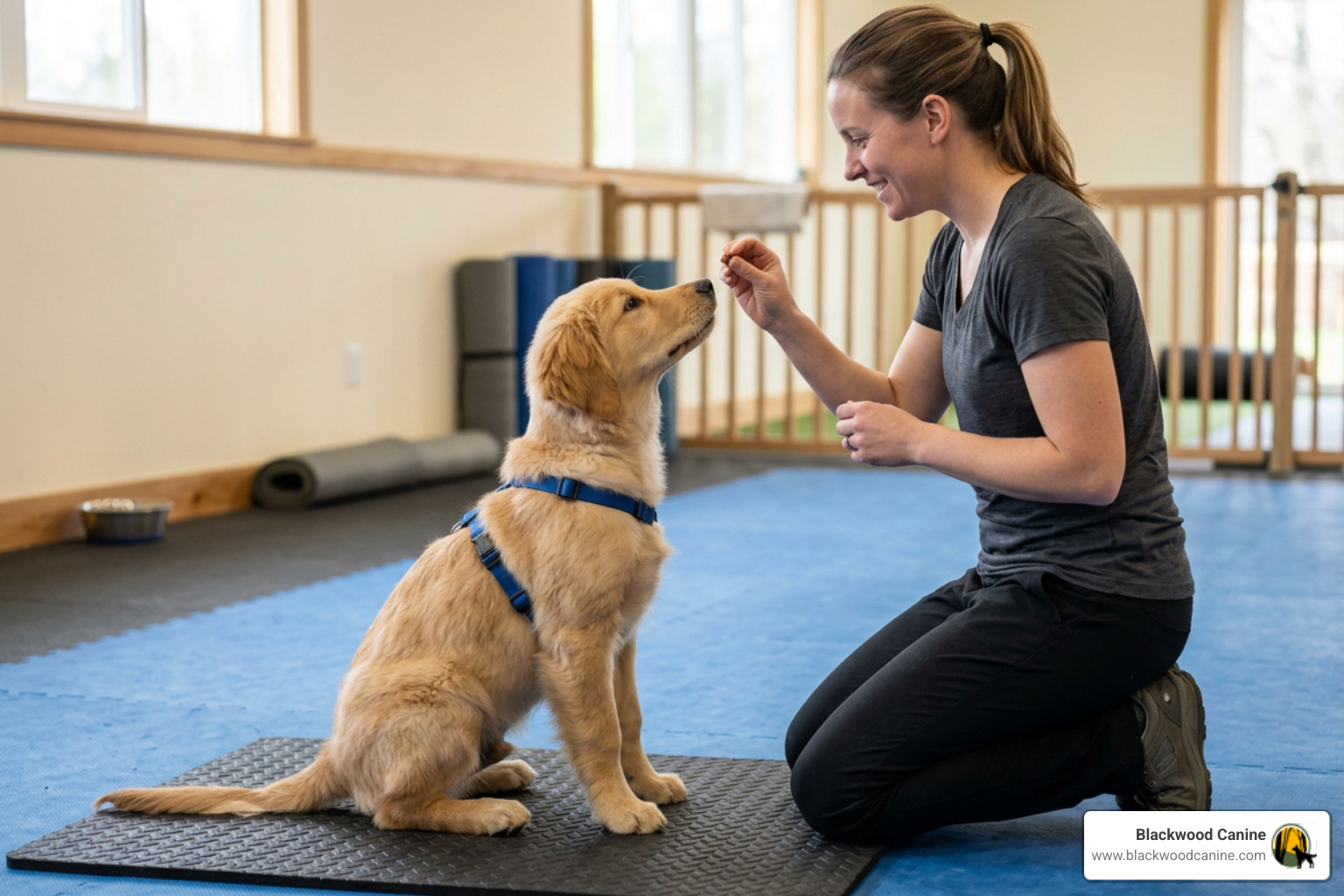
Finding the right class means matching your dog's current stage of development with the proper learning environment. Dropping an overly excited rescue or a nervous puppy into an unsuitable group setting can increase stress and slow down progress.
Whether you live in Scappoose, St. Helens, Warren, Bethany, Hillsboro, Beaverton, Portland, or Vancouver, local facilities generally divide programs into distinct skill tiers:
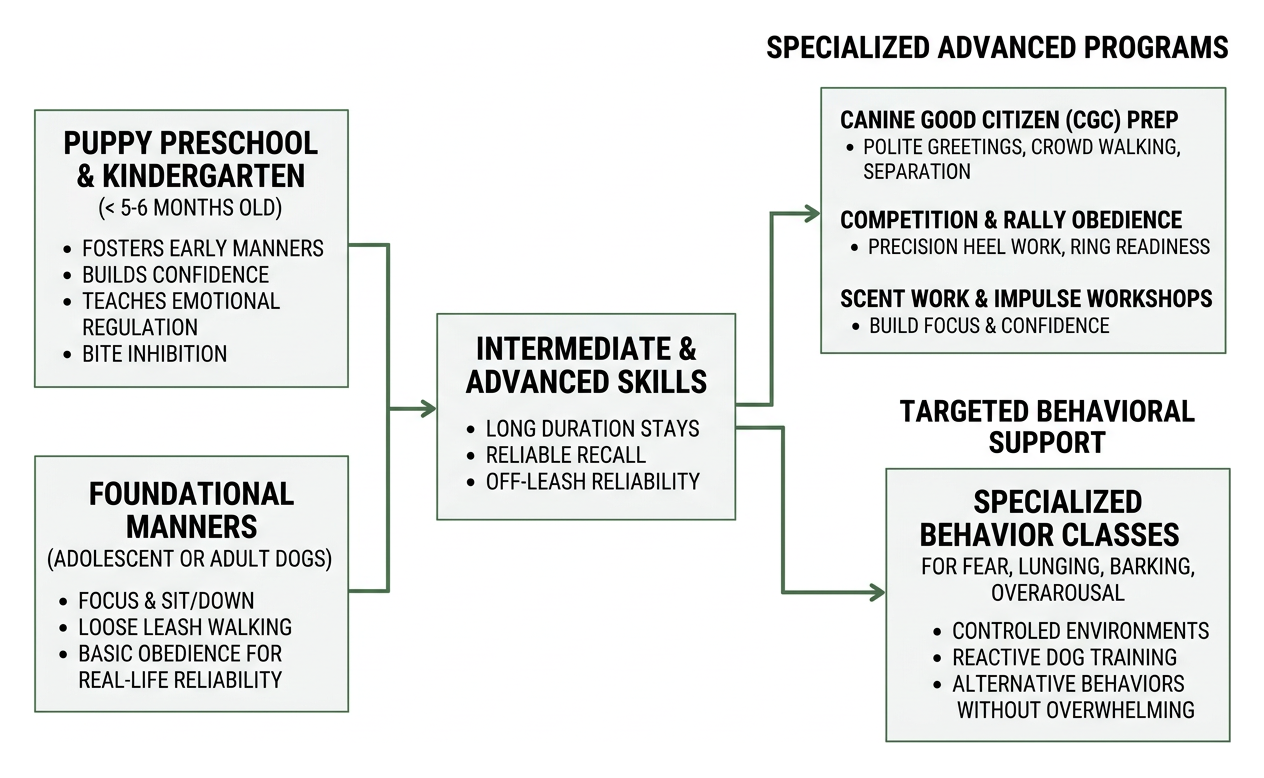
- Puppy Preschool and Kindergarten: Designed for young pups under five or six months old to build foundational manners, confidence around novel stimuli, and early bite inhibition.
- Foundational Manners: Perfect for adolescent or newly adopted adult dogs who need to learn how to focus, sit, lie down, and walk without dragging you down the sidewalk. Getting solid basic obedience dog training in place sets the standard for real-world reliability in busy public environments.
- Intermediate and Advanced Skills: Focuses on long duration stays, reliable recall away from dogs or wildlife, impulse control around high-value distractions, and off leash reliability.
- Specialized Behavior Classes: Controlled environments created specifically for dogs struggling with fear, lunging, barking, or overarousal.
How to Choose Canine Obedience Classes Near Me for Puppies and Beginners
Early development sets the tone for your dog's entire life. Puppy kindergarten helps young dogs develop emotional regulation, engagement, and impulse control before bad habits take root.
During these formative early months, training should focus on teaching your dog how to learn. You will practice household routines, crate familiarity, handling drills, and loose leash walking. It also helps to master easy puppy training techniques early, such as teaching polite greeting behavior and curbing unwanted nipping.
A quality beginner class teaches owners how to balance high-value food rewards with clear boundaries and sensible management. Real obedience involves more than throwing cookies at your dog. It requires showing them what behaviors are expected, managing the environment to prevent rehearsal of unwanted choices, and maintaining calm follow through.
Exploring Advanced and Specialized Canine Obedience Classes Near Me
Once your dog understands core cues, advanced options help refine skills under higher distraction levels:
- Canine Good Citizen (CGC) Prep: Prepares dogs and handlers to pass the ten-step AKC Canine Good Citizen evaluation, focusing on polite greetings, walking through crowds, reaction to distractions, and supervised separation.
- Competition and Rally Obedience: Focuses on precision heel work, prompt position changes, formal fronts, and ring readiness for sport handlers.
- Scent Work and Impulse Workshops: Engaging problem-solving games that build focus, mental stamina, and confidence in working and high-drive dogs.
- Targeted Reactivity Programs: When a dog barks, growls, or lunges on leash, traditional group classes often fail. Specialized reactive dog training uses visual barriers and controlled distance to teach alternative behaviors without overwhelming the dog.
Understanding Class Formats, Duration, and Pricing
Training rates and schedules vary across local clubs, community organizations, and private training facilities. Knowing the standard pricing helps you budget properly.
| Program Type | Typical Duration | Average Cost | Typical Prerequisites |
|---|---|---|---|
| Basic Manners | 5 Weeks | $150 | Core vaccines (DHPP, Rabies) |
| Puppy Kindergarten | 6 Weeks | $160 | Age under 6 months, 2 DHPP rounds |
| Basic Obedience | 6 Weeks | $160 | Basic vaccine records |
| Level I Foundation | 8 Weeks | $245 | Core vaccines, orientation week |
| Beginning / CGC Prep | 10 Weeks | $155 | Basic skills, adoption discounts apply |
| Reactive Dog Program | 6 Weeks (60 min) | $250 | Trainer screening or evaluation |
| Competition Drop In | Single Session | $15 to $20 | Member status or prior class graduation |
| Private In Home Lesson | Single Session | $147 | Health clearance, specific goals |
Before signing up, read about the ins and outs of dog obedience school so you understand class rules, cancellation policies, and gear requirements.
Key Prerequisites, Equipment, and Training Methods
Group training facilities maintain strict health and safety policies to keep every dog and handler safe.
Before your first in-person session, you will typically need to provide:
- Proof of up-to-date DHPP (Distemper, Hepatitis, Parvovirus, Parainfluenza) vaccines.
- A current Rabies vaccination certificate for dogs older than four months.
- Bordetella protection (often required by indoor facilities to prevent kennel cough outbreaks).
- Documented veterinary antibody titer tests if your dog has a verified medical exemption against standard boosters.
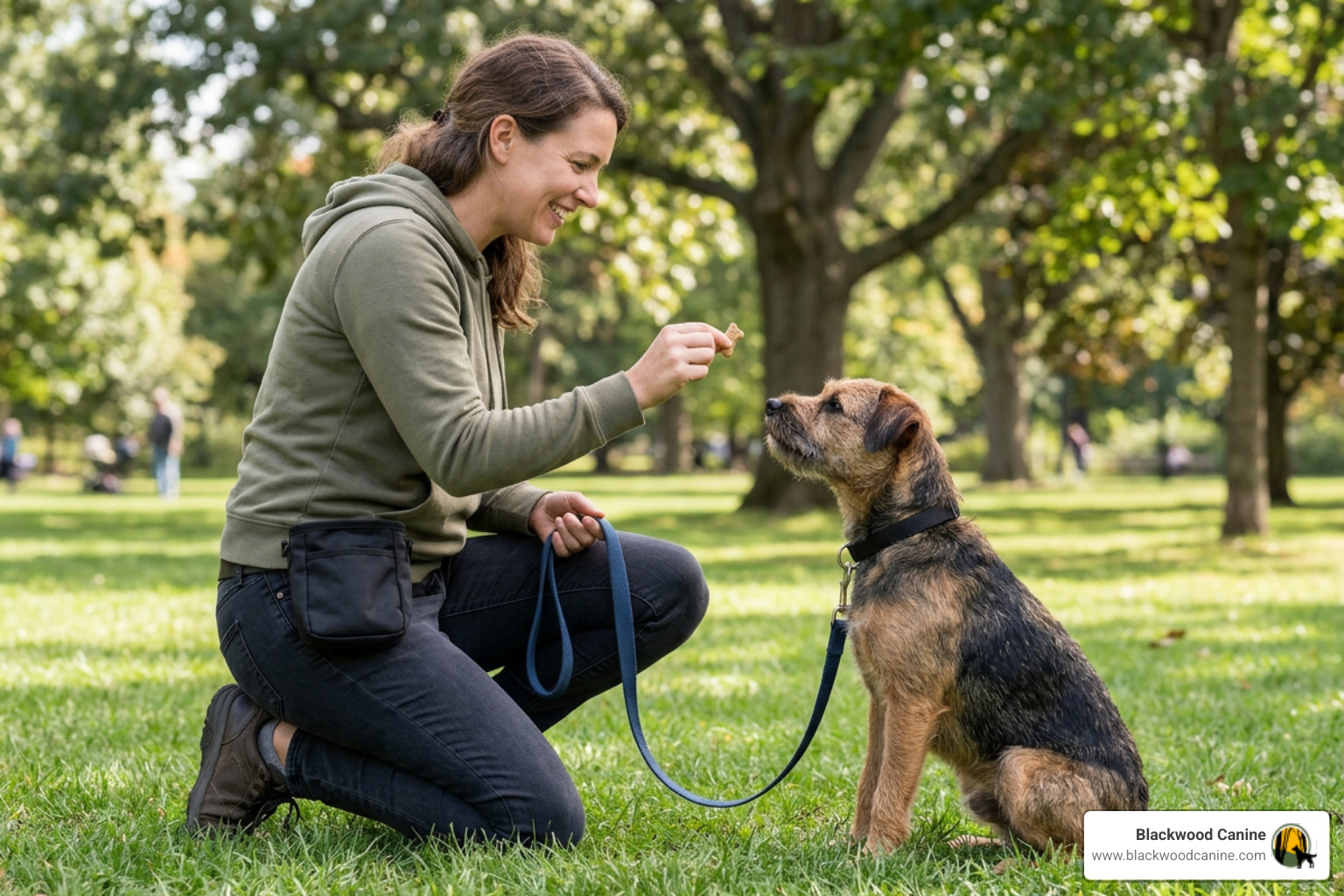
Standard equipment includes a sturdy flat collar or well-fitted harness, a standard six-foot leather or biothane leash (retractable flexi-leashes are generally prohibited in group environments for safety), and a training treat pouch filled with soft, bite-sized rewards.
Modern, balanced training relies on clear communication between human and canine. Many trainers teach the fundamentals of clicker training dog mechanics or crisp verbal marker words to capture precise behaviors at the exact moment they occur. Balanced trainers use positive reinforcement to build new behaviors and clear boundaries to maintain reliability.
Tools like slip leads, prong collars, or e-collars are sometimes used to provide clarity, safety, and effective communication in advanced work or high-drive dogs. These tools should never be demonized; improper misuse is the real issue. Any training tool, management technique, or fair consequence must always be introduced humanely and thoughtfully under qualified, professional guidance.
Private Lessons vs. Group Classes: Finding the Best Fit
Group classes are great for practicing obedience around other dogs and people, but they are not right for every dog or household situation.
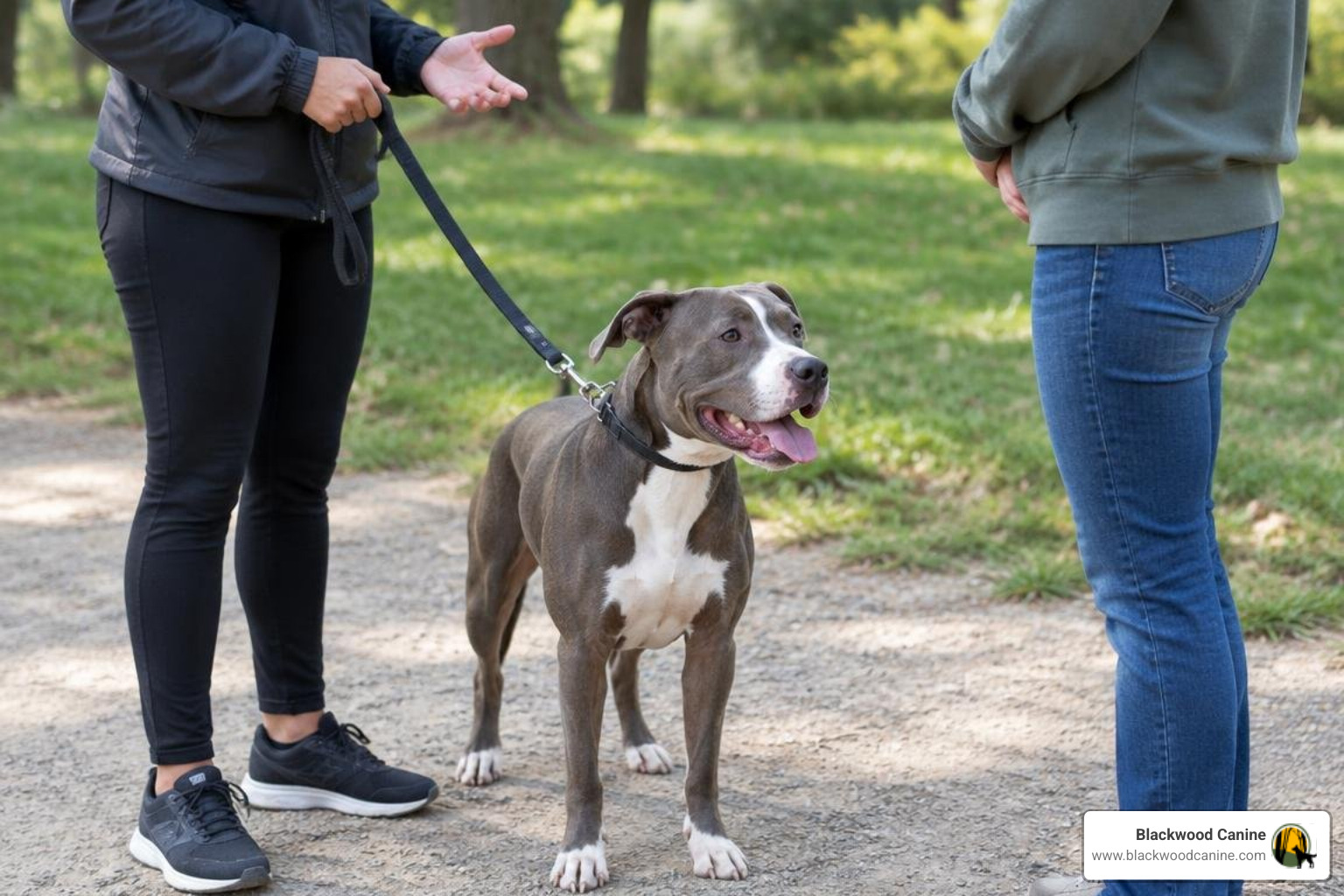
If your dog is hyper-vigilant, lunges uncontrollably, barks non-stop, or cowers behind your legs, a busy classroom environment can cause sensory overload and increase overall stress. In those cases, working through private lessons dog training provides an environment where your dog can stay comfortably under threshold, decompress, and actually absorb instruction.
Opting for in home private lessons allows the trainer to see and address problem behaviors right where they happen every day—such as doorway rushing, fence fighting, counter surfing, or sibling dog tensions. Taking the time to weigh your dog's disposition and your daily routine helps determine if private dog training is worth the investment for your household's immediate goals.
Frequently Asked Questions About Local Obedience Training
How much do local canine obedience classes typically cost?
Most group classes cost between $150 and $250 for a full multi week program. For instance, five week basic manners classes often run around $150, six week foundational obedience runs around $160, and specialized six week courses for reactive dogs cost around $250. Long format ten week courses that prepare dogs for the Canine Good Citizen test average $155, with discounts often available for rescue dogs. Single drop in sessions for competition prep generally range from $15 to $20.
What vaccinations does my dog need before attending a group class?
Most facilities require documented proof of DHPP and Rabies vaccinations. Puppies must have at least two rounds of DHPP before stepping foot inside a training facility. Many group centers also require Bordetella. If your dog has a medical exemption, most facilities accept recent veterinary antibody titer tests.
Should I choose private lessons or a group class for a reactive dog?
If your dog cannot focus or continuously barks when seeing other dogs, start with private instruction. Putting a reactive dog in a crowded group class often reinforces frantic behavior. You can review our dog training for fearful dogs guide to learn how targeted private sessions help build calm focus before introducing public distractions. For severe aggression or sudden behavioral changes, we always recommend a professional behavioral evaluation and a veterinary exam to rule out underlying pain.
Start Building Real Reliability with Blackwood Canine
Living with an unruly, reactive, or overly excited dog leaves owners feeling embarrassed, stressed, and stuck. Quick fixes and random online tips rarely produce long term results. Real reliability comes from clear communication, sensible management, and consistent routines.
At Blackwood Canine, we guide dog owners across Portland, Beaverton, Hillsboro, Scappoose, St. Helens, Warren, and Vancouver through structured, real world training. Our basic obedience foundation training starts at 4 weeks, giving dogs the repetition and structure they need to build lasting habits. For complex issues like fear, reactivity, or high arousal, our behavior modification programs follow dedicated 6 week and 8 plus week timelines.
If daily life has turned into scanning for other dogs on walks, apologizing when guests arrive, or feeling guilty because your dog cannot settle, you are not alone. A good training plan should fit your home, schedule, and dog in front of you. That may mean puppy training, private lessons, an immersion-style program, or a step by step behavior plan that starts away from heavy distractions.
The goal is not just to get a dog to sit in a quiet room. It is to help your family practice clear expectations, fair boundaries, reinforcement, follow through, and management that can hold up during normal life. Small, repeated choices often matter more than one perfect class session.
Take the first step by booking your Good Dog Game Plan. Explore our full range of dog training services to find the right path for you and your dog.