
Step-by-Step Guide to Effective Dog Training Lessons
The Value of Private Dog Training Lessons for Fast Progress
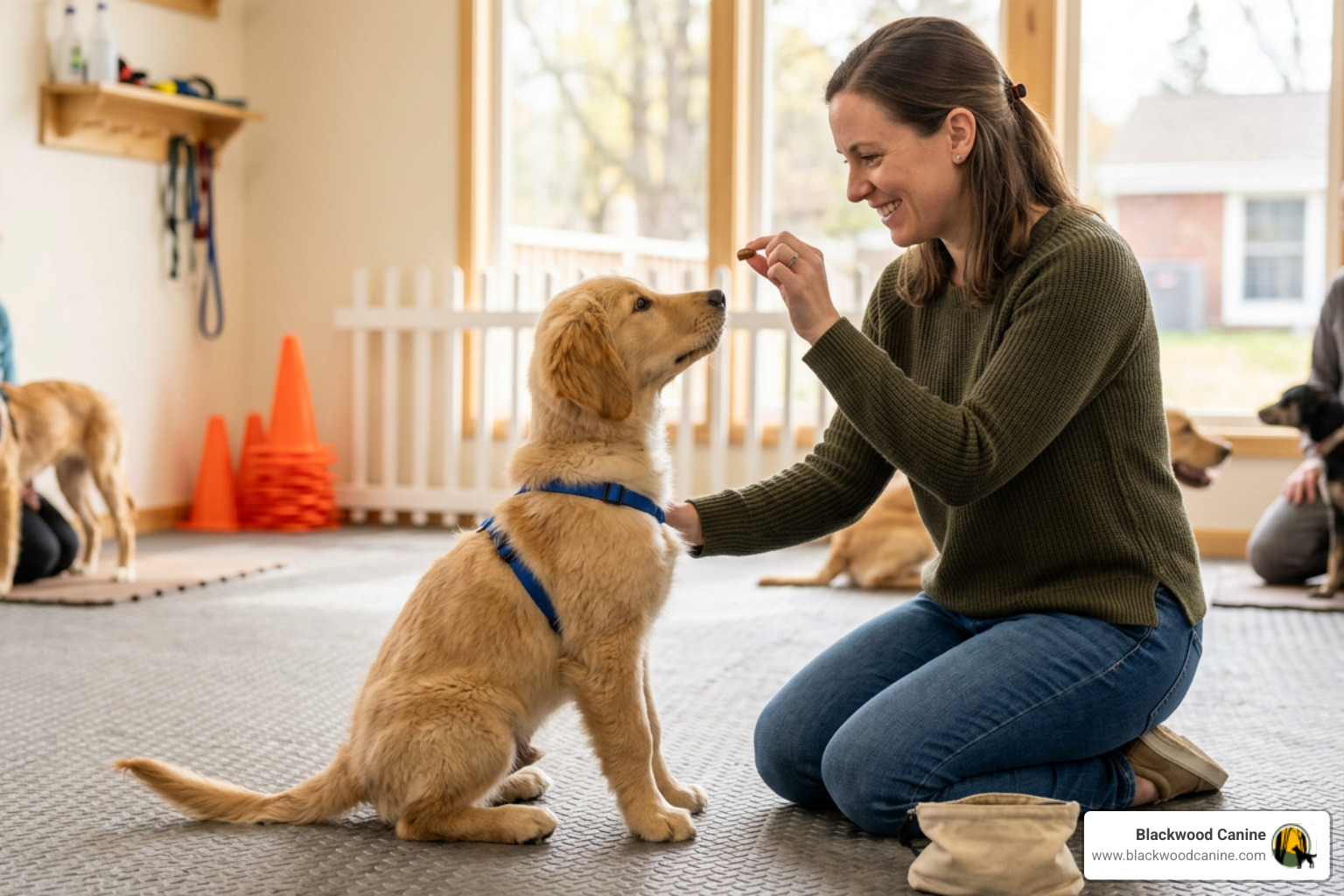
An effective dog training lesson relies on clear communication markers, short focused 3- to 5-minute practice sessions, and a systematic progression from low-distraction spaces to real-world environments. Structuring each lesson around direct teaching, valuable reinforcement, and consistent follow-through allows dogs to build reliable habits without mental fatigue or confusion.
When dog owners in Beaverton, Hillsboro, or Vancouver run into daily behavior struggles, they often assume a weekend group class is the default solution. Group classes have their place, especially for general exposure once a dog already understands basic manners. However, starting a struggling dog in a busy room full of unfamiliar dogs and people can quickly cause sensory overload.
Private instruction changes the dynamic entirely. It gives you the space to slow down, break skills into manageable pieces, and focus on root causes rather than just reacting to symptoms.
| Training Feature | One on One Private Lessons | General Group Classes |
|---|---|---|
| Initial Environment | Controlled, quiet, low distraction | High arousal, variable distractions |
| Pacing | Tailored to handler and dog capacity | Set schedule dictated by class speed |
| Reactive Dog Handling | Safe, individualized, beneath threshold | Challenging, often triggers barking or lunging |
| Owner Coaching | Direct real time feedback on mechanics | Divided attention among several handlers |
| Focus Areas | Specific home and neighborhood issues | Generalized group curriculum |
Understanding the top benefits of private dog training lessons comes down to environment control. When you remove the pressure of a crowded classroom, you build a cooperative baseline where real learning happens.
How a Private Dog Training Lesson Resolves Root Behaviors
Surface behaviors like door darting, barking out windows, or leash pulling are rarely isolated habits. They are typically symptoms of underlying arousal, confusion, or emotional distress. In a private setting, we can look at the home layout, daily routines, and handler mechanics to address why a behavior is happening in the first place.
For complex challenges, specialized behavior modification training requires a calm, systematic approach. Dogs dealing with fear or chronic stress cannot absorb new information when their nervous system is in overdrive. Working through dedicated dog training for fearful dogs means keeping the dog below their reaction threshold so they can process guidance without panicking. For serious behavior concerns or potential physical contributors, an initial evaluation by a qualified professional or a consultation with your veterinarian ensures no underlying medical issues are missed.
Progressive Distraction Proofing and Real-World Focus
A common misunderstanding is that private instruction keeps a dog in a quiet bubble forever. In reality, establishing foundation skills at home is simply the first step of a clear progression.
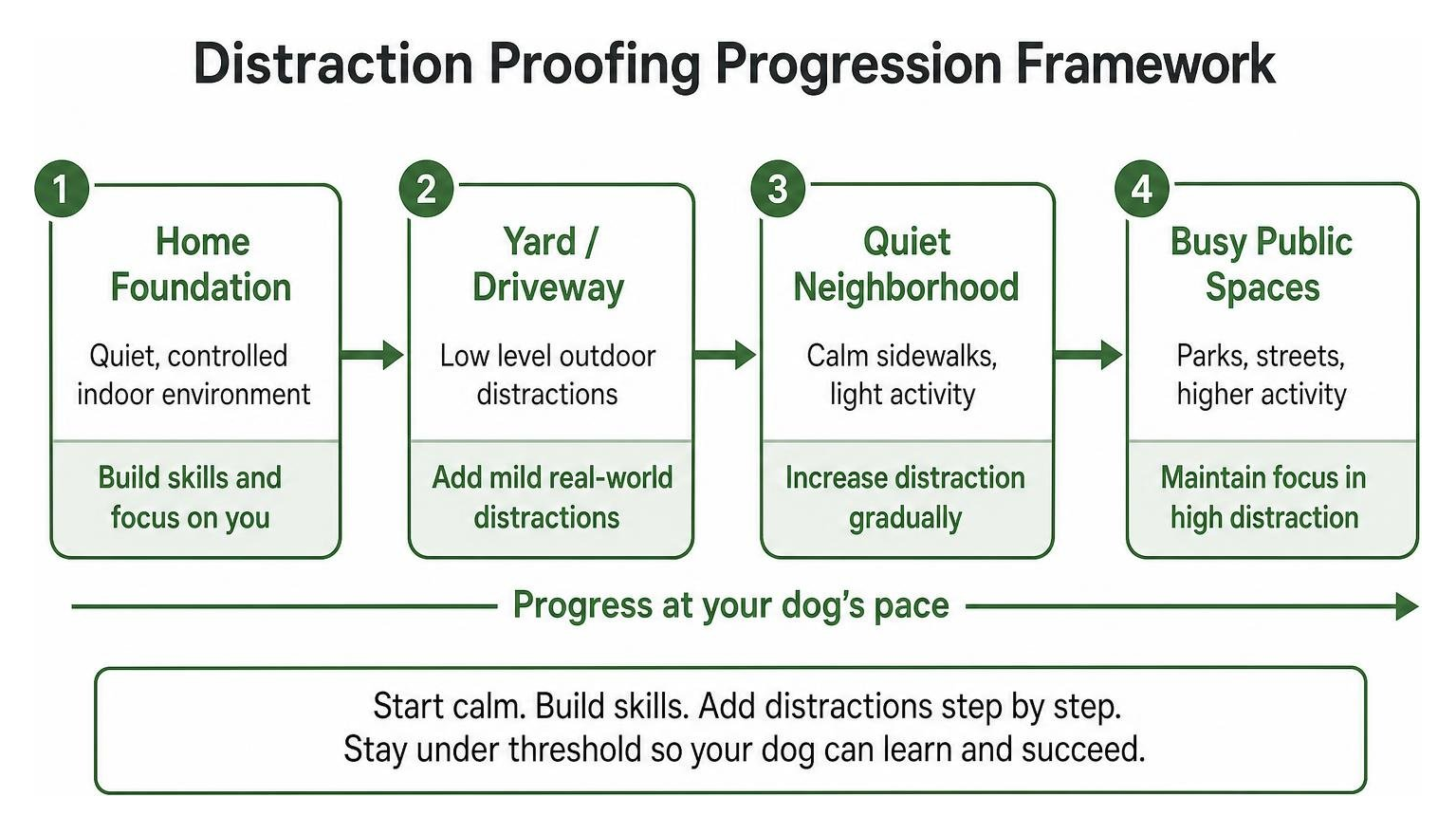
Once a dog understands a cue in the living room, we systematically introduce low level outdoor distractions in the driveway or yard. From there, we move to quiet neighborhood sidewalks in Scappoose or Warren before eventually practicing in busier parks across Portland. Moving through these stages deliberately ensures that your dog learns how to focus on you, even when the environment offers competing temptations.
Building Essential Manners and Foundational Commands
Effective training does not require intimidating dominance or purely permissive bribes. Reliable results come from a balanced framework: clear communication, strong management, valuable reinforcement, and consistent follow through.
When establishing basic obedience dog training, we begin by clarifying what our words mean. Handlers learn how to use a marker system, such as a crisp verbal word like "yes" or a clicker, to pinpoint the precise moment the dog makes the right choice. By transforming your dog's training with luring, we guide physical movement without physical force, pairing the marker with a food reward to build enthusiasm.
Teaching the Core Basics: Name Recognition, Sit, and Down
Every solid obedience system begins with clear, distinct steps:
- Name Recognition and Focus: Say your dog's name once in a calm tone. The instant their eyes meet yours, mark with your reward word and deliver a pea sized treat. Repeat until your dog quickly looks up upon hearing their name.
- The Sit: Hold a small treat right at the tip of your dog's nose. Slowly lift the treat up and back over their muzzle toward their ears. As the head tilts upward, the hips naturally drop to the floor. Mark the moment their rear touches the ground and reward.
- The Down: From a sitting position, bring a treat straight down from the dog's nose to the floor between their front paws, then slowly slide it forward along the ground. When their elbows touch the floor, mark and feed.
- Fading the Prompt: Avoid becoming dependent on visible food. Practice fading the food lure by making the exact same hand motion with an empty hand, marking the correct response, and then delivering the reward from your pocket or pouch.
Structuring an Effective At-Home Dog Training Lesson
To keep training productive and avoid burnout for both you and your dog, structure your daily practice into focused mini lessons. A great 5 minute home session follows a four part structure:
- Connection: Spend 30 seconds reviewing a simple, known behavior like eye contact or a quick sit to establish engagement.
- Teaching: Introduce or refine one specific mechanic, demonstrating the motion clearly.
- Active Engagement: Practice 5 to 8 repetitions of the targeted skill, keeping reward timing tight.
- Link: End on an easy, successful repetition, release the dog with a clear cue like "all done," and transition back to daily household life.
Working in short bursts while building engagement with food keeps your dog enthusiastic and eager for the next session.
Mastering Advanced Safety Skills: Impulse Control, Recall, and Targeting
Basic sits and downs are great starting points, but safety skills are what protect your dog in real life situations around St. Helens, Bethany, or Portland.
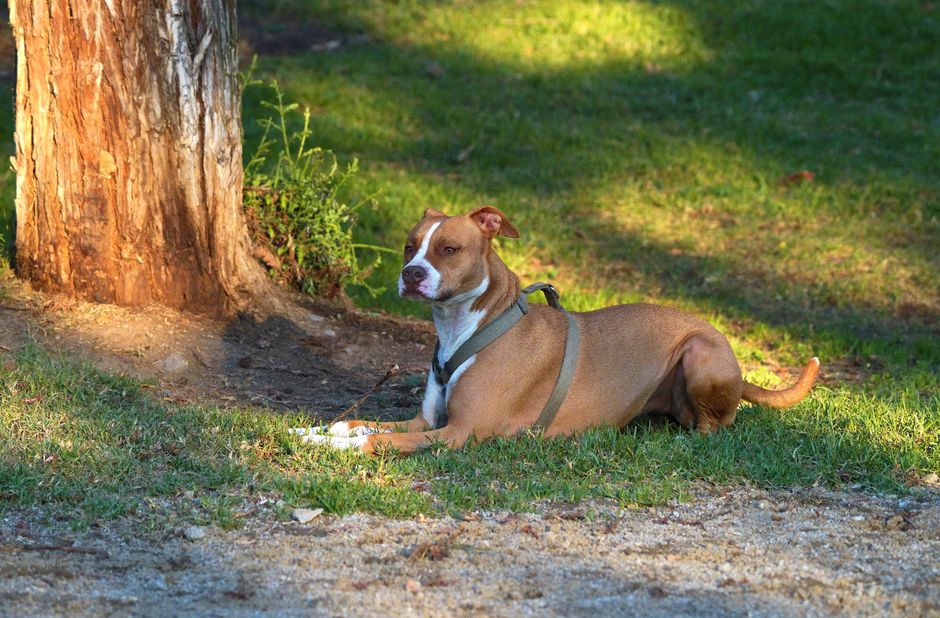
Impulse control is the mental muscle that stops a dog from bolting out the front door, snatching dropped human food, or chasing wildlife.
Reliable Recall and the Come Command
A dependable recall requires making the return to you far more valuable than whatever your dog is investigating. When following a structured Teach Your Dog to Come: Recall Training Guide, start indoors without distractions:
- Charge the Cue: Say your recall cue (such as "come") in an upbeat voice, mark as the dog turns toward you, and deliver a high value reward like cooked chicken or freeze dried liver.
- Add Distance on a Long Line: Take practice outdoors using a 15 to 30 foot long line attached to a standard harness or flat collar. Call your dog once. If they hesitate, gently use the line to guide them toward you while taking backward steps to encourage forward momentum.
- Avoid Cue Dilution: Never stand in the yard repeating "come, come, come, come." If your dog does not respond to the first cue, reduce distractions and help them succeed using your long line.
- Never Punish on Return: Regardless of how long it took your dog to come back, always reward the return. If returning to you results in scolding, a bath, or immediate isolation, your dog will hesitate the next time they are called.
Impulse Control: Teaching Stay and Leave It
Impulse control teaches your dog that self control is how they earn what they want.
To master this skill, follow the clear progression laid out in our guide on How to Teach Your Dog the "Leave It" Command:
- Stage 1 (Closed Fist): Present a piece of low value kibble in a closed fist. Let your dog sniff or paw at your hand. The exact split second they pull their nose away or look up, mark and reward them with a high value treat from your opposite hand. Never feed the bait treat from the closed fist.
- Stage 2 (Open Palm): Open your hand flat with the bait resting on your palm. If your dog moves toward it, quickly close your hand into a fist. When they pause and look away, mark and reward from your other hand.
- Stage 3 (Floor Proofing): Place the bait on the floor, ready to cover it with your shoe if your dog lunges. Wait for voluntary eye contact, then mark and reward generously from your hand.
- Proofing the Stay: When teaching stay, build Duration first (holding position for 10 to 30 seconds), then Distance (stepping back two to five paces), and finally Distraction (bouncing a toy or opening a door). Introducing distance or excitement too soon causes the behavior to break down.
Target Training for Precision and Confidence
Target training involves teaching your dog to touch their nose to a specific object, such as your open hand or the end of a training stick. As highlighted in the Purina | Dog Target Training: Step-by-Step Guide & Benefits guide, this simple behavior provides immense utility:
- Confidence Building: For shy rescue dogs or pets nervous around human hands, targeting offers a low pressure way to approach people voluntarily.
- Positioning: Hand targets allow you to easily steer your dog into heel position, guide them onto a scale at the vet clinic, or redirect them away from passing triggers on walks without pulling on the leash.
- Ergonomics: Using a lightweight target stick helps handlers guide small dogs without bending over or looming awkwardly, which can intimidate nervous pets.
Adapting Training Plans Across Life Stages and Avoiding Common Mistakes
Training is not a one size fits all process. A young puppy, an adolescent rescue, and an aging senior dog each bring different physical abilities and learning speeds to the table.
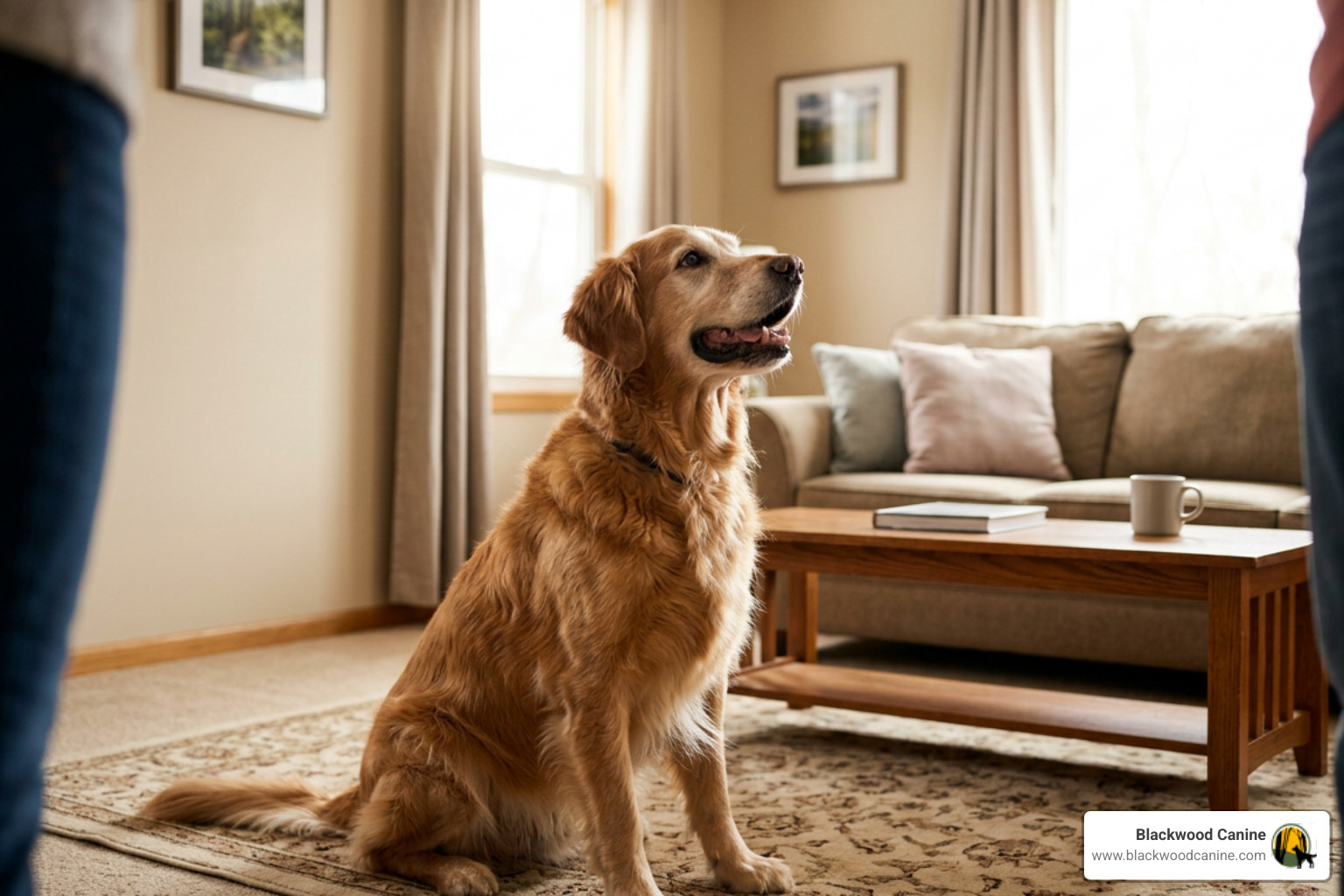
Working with a dog that seems distracted or resistant is rarely a matter of stubbornness. More often, it reflects unclear communication, competing environmental rewards, or physical discomfort. When addressing challenges explored in dog training for stubborn dogs, simplifying your criteria and tightening your mechanics often resolves the issue.
Puppy Foundations vs. Adult and Senior Dog Adjustments
Early development moves quickly. According to the American Veterinary Society of Animal Behavior (AVSAB), the primary window for puppy socialization closes between 12 and 16 weeks of age. Early, positive exposure to new sounds, textures, people, and environments is critical for raising a stable adult companion. Following the framework in Puppy Training 101: A Week-by-Week Guide (8 Wk to 6 Mo) helps owners build solid routines early on.
Our structured puppy jump start program helps new owners establish handling manners, crate routines, and house training before bad habits become ingrained.
For adult rescues and older companions, follow the dog training adult dogs complete guide. Remember the 3-3-3 adjustment rule for newly adopted dogs:
- 3 Days: Decompressing and adjusting to a new environment.
- 3 Weeks: Learning household schedules and daily expectations.
- 3 Months: Feeling fully secure and building deep trust with the family.
When working with senior dogs, make sensible adjustments for physical limitations like arthritis. Use non slip mats, avoid long down stays on hard floors, and keep sessions low impact.
Critical Training Pitfalls to Eliminate
- Relying on Ideology Over Clarity: Training is not purely about treats, nor is it about heavy handed intimidation. Successful training relies on clear expectations, smart management, fair consequences, and consistent handler follow through. Tools like slip leads or training collars are not inherently harmful; problems arise from improper use. When used thoughtfully under professional guidance, training tools provide clear, low stress communication.
- Repeating Commands: Saying "sit, sit, sit" teaches your dog that the first two cues do not matter. Say your cue once. If the dog does not respond, step in to assist or adjust the distraction level.
- Late Reward Timing: Dogs connect rewards to whatever action they are taking at that exact second. If you reach for a treat three seconds after your dog stands up from a sit, you just rewarded them for standing up.
- Increasing Difficulty Too Quickly: If your dog can hold a stay for five seconds in the kitchen, asking for a two minute stay at a busy park will lead to failure. Increase duration, distance, and distraction gradually.
- Ending on a Failed Repetition: Always finish a training drill on a successful note. If your dog struggles with a complex task, drop back to an easier, highly reliable behavior, reward them, and wrap up the session.
Frequently Asked Questions About Dog Training Lessons
How long should an individual dog training session last?
Individual daily practice sessions should be kept short, typically between 3 and 5 minutes. Puppies and high arousal dogs tire quickly from intense mental focus. Two to three short, crisp sessions scattered throughout the day build reliability much faster than an exhausting 45 minute drill that leaves both dog and owner frustrated.
Can older dogs successfully learn new obedience skills?
Yes. Adult and senior dogs retain excellent neuroplasticity and can learn new manners, tricks, and communication patterns at any age. While an older dog may have years of practiced habits to untangle, their longer attention spans often make learning new concepts quite straightforward when paired with patient guidance and meaningful rewards.
How do private dog training lessons prepare dogs for real-world distractions?
Private lessons build a rock solid understanding of core cues in a low arousal setting first. Once the mechanics are clear to both handler and dog, your trainer helps you systematically test those skills against controlled, increasing distractions in real world environments like front yards, local parks, and neighborhood sidewalks.
Build a Calm, Reliable Companion for Real-World Life
Living with a dog should bring joy, not daily stress, embarrassment, or broken routines. If you are navigating leash reactivity, frantic door greetings, poor recall, or general household friction, having a clear roadmap makes all the difference.
At Blackwood Canine, we guide dog owners across Scappoose, St. Helens, Warren, Bethany, Hillsboro, Beaverton, Portland, Vancouver, and neighboring communities toward calm, confident handling. Our basic obedience foundation training starts at 4 weeks, while complex behavior modification plans utilize comprehensive 6 week and 8 plus week timelines to establish dependable, lasting habits.
Take the first step toward clear communication and practical household manners by scheduling your in-home private dog training lessons with our experienced team today. Let us help you create a balanced, stress free relationship with your dog.