
How to Fix the Most Common Dog Behavior Issues
The 3 Pillars of Dog Behavior Problems Solutions

When dogs struggle with big feelings, owners often try random tips they saw online. True progress requires a structured, multi modal framework. According to resources like the Treatment of Behavior Problems in Animals MSD Veterinary Manual, resolving behavior issues relies on three integrated pillars: management, behavior modification, and medical support.
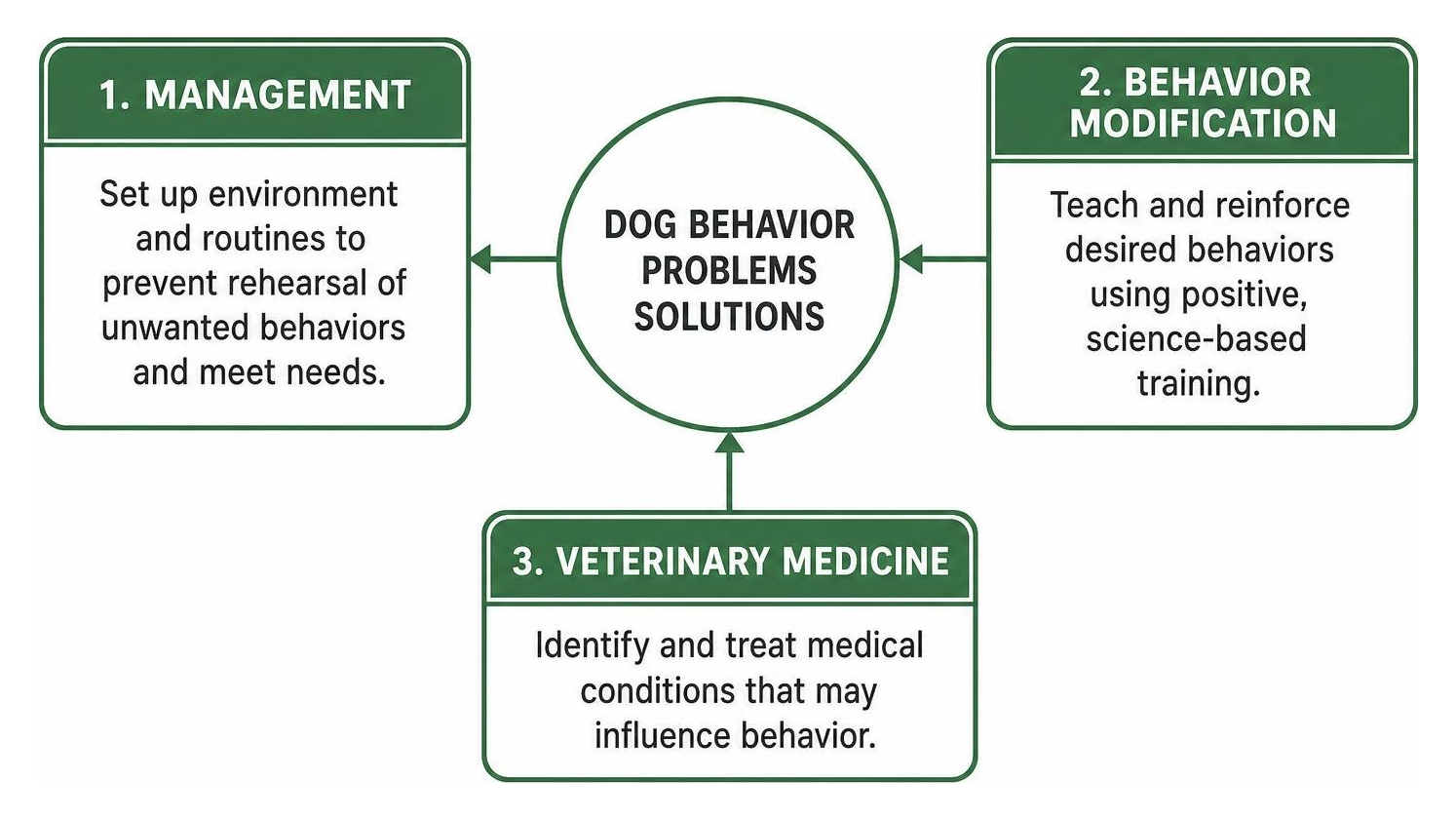
Pillar 1: Environmental Management and Behavioral Needs
Management means setting up your home and daily routine so your dog cannot keep practicing the bad behavior. Every time a dog barks out the window at delivery drivers, lunges on leash, or raids the trash, that neural pathway gets stronger.
Practical management includes:
- Installing window film or closing blinds to block visual triggers.
- Setting up baby gates and exercise pens to prevent door dashing or kitchen counter surfing.
- Creating a quiet safe haven room with white noise for high stress events.
- Meeting biological needs through physical exercise, sniffing walks, and chewing enrichment.
Management does not teach new skills, but it prevents accidents, protects safety, and stops unwanted habits from getting worse while training takes place.
Pillar 2: Evidence Based Behavior Modification Principles
Behavior modification changes how a dog feels about a trigger and teaches them what to do instead. We cover foundational concepts in our dog behavior guide 2026.
Key learning principles include:
- Systematic Desensitization: Exposing your dog to a trigger at a low intensity where they remain relaxed and sub threshold.
- Classical Counterconditioning: Pairing the presence of a trigger with high value rewards so the emotional association changes from scary to positive.
- Response Substitution: Teaching an incompatible behavior, like sitting quietly on a mat instead of jumping on guests.
- Shaping: Rewarding small, progressive steps toward a final target behavior.
- The Premack Principle: Using a high probability behavior, like sniffing a bush or greeting a friend, to reinforce a low probability behavior, like sitting calmly on a loose leash.
Pillar 3: Veterinary Medication as Part of Dog Behavior Problems Solutions
Medication is not a sedative or a shortcut. When a dog lives in a constant state of panic or arousal, their brain cannot process learning. Behavioral pharmacotherapy brings their baseline stress down so behavior modification can take hold, as detailed in the Behavior Problems in Dogs Merck Veterinary Manual.
Veterinarians classify behavior medications into two main categories:
- Baseline Daily Medications: Psychotropic drugs such as Selective Serotonin Reuptake Inhibitors like fluoxetine (FDA approved at 1 to 2 mg per kg once daily) or Tricyclic Antidepressants like clomipramine (FDA approved at 2 to 4 mg per kg once daily) help balance brain chemistry over weeks of consistent use.
- Situational Fast Acting Agents: Medications like dexmedetomidine oral transmucosal gel (FDA approved for noise aversion at 125 mcg per square meter), gabapentin, or clonidine provide rapid support for thunderstorms, vet visits, or specific high stress events.
Adjunctive therapies like dog appeasing pheromone diffusers, L theanine supplements, and alpha casozepine can also provide mild calming support alongside veterinary care.
Proven Solutions for the 6 Most Common Dog Behavior Issues
Every behavior serves a function for the dog. When you understand the underlying cause, you can apply clear expectations, management, reinforcement, and fair consequences.
| Behavior Problem | Common Root Cause | Primary Intervention Strategy |
|---|---|---|
| Leash Reactivity | Fear, frustration, lack of distance | Desensitization, counterconditioning, loose leash focus |
| Separation Distress | Panic over isolation, barrier frustration | Graduated departure training, baseline veterinary medication |
| Resource Guarding | Fear of losing valuable items | Trade up games, low conflict feeding zones |
| Doorbell Barking | Territorial alertness, excitement arousal | Place mat stationing, auditory volume desensitization |
| Jumping on Guests | Overexcitement, reinforced social greeting | Four on the floor rule, sit replacement cue |
| Destructive Chewing | Boredom, teething, isolation stress | Confinement management, redirection to durable chew items |
1. Fear Based Aggression and Leash Reactivity
Aggression accounts for roughly 70 percent of caseloads in veterinary behavior practices. Most leash reactivity stems from fear rather than a desire to dominate. When a dog feels trapped on a six foot leash, barking and lunging are distance increasing behaviors meant to make the scary thing go away.
To resolve leash reactivity, start by identifying your dog's distance threshold. Find the distance where they notice another dog but can still eat treats and look back at you. Pair the sight of other dogs with high value food. Work on loose leash walking mechanics and focus games in low distraction areas before testing public spaces. If you need specialized help, explore reactive dog training and review our guide on what to do when your dog shows aggression to family members or strangers.
2. Separation Anxiety and Isolation Distress
Separation distress involves genuine panic when left alone. Dogs may vocalize, eliminate indoors, or chew doors and window frames.
Addressing isolation distress requires graduated departure training:
- Identify pre departure cues that trigger early anxiety, such as picking up keys, putting on shoes, or grabbing a jacket. Practice these actions repeatedly without leaving the home.
- Keep absences strictly under your dog's panic threshold. Begin with five second departures outside the door and build duration incrementally over time.
- Use remote cameras to monitor body language, watching for pacing, lip licking, and heavy panting.
- Consult your vet early about baseline medications like fluoxetine or clomipramine to reduce panic thresholds, and review Common Dog Behavior Issues for standard behavioral protocols.
3. Resource Guarding and Possessive Aggression
Resource guarding is a natural survival instinct where dogs protect items they find valuable, including food bowls, rawhides, stolen socks, or resting spots.
Never forcibly snatch items from your dog's mouth or punish a warning growl. Punishing a growl teaches a dog not to warn before biting. Instead, practice the trade up game. Approach with a treat that is much more valuable than what the dog currently holds, toss the treat a few feet away, and let them return to their original item after they finish. Feed meals in quiet locations where nobody walks past, and teach a reliable drop cue using positive reinforcement.
4. Excessive Barking and Doorbell Reactivity
Barking at exterior noises or doorbells is reinforced every time the visitor walks away, because the dog assumes their barking chased the intruder off.
Fix this by setting up clear stimulus control:
- Teach a solid stationing cue where the dog runs to a designated place mat and lies down.
- Practice with recorded doorbell sounds played at low volume while feeding treats on the mat.
- Gradually increase the volume over multiple sessions before introducing real door knocks.
- Use positive interruption cues, like an upbeat kiss noise or hand touch, to redirect your dog before their arousal spikes out of control.
5. Inappropriate Jumping and Hyperarousal
Dogs jump to get closer to our faces and because greeting humans is naturally reinforcing. Pushing them away, kneeing them, or yelling often feels like playful attention to an excited dog.
Use the four on the floor rule. All attention, eye contact, and physical touch stop the moment paws leave the ground. Turn your body away and stand neutral. Teach a default sit behavior for greetings. Visitors should only offer affection when the dog has four paws firmly planted. For practical steps on building greeting impulse control, read our advice on dog obedience teaching your dog not to jump up on people.
6. Destructive Chewing and Inappropriate Elimination
Destructive habits often happen when young or bored dogs are given too much freedom too soon. Dogs naturally explore the world with their mouths and need appropriate outlets.
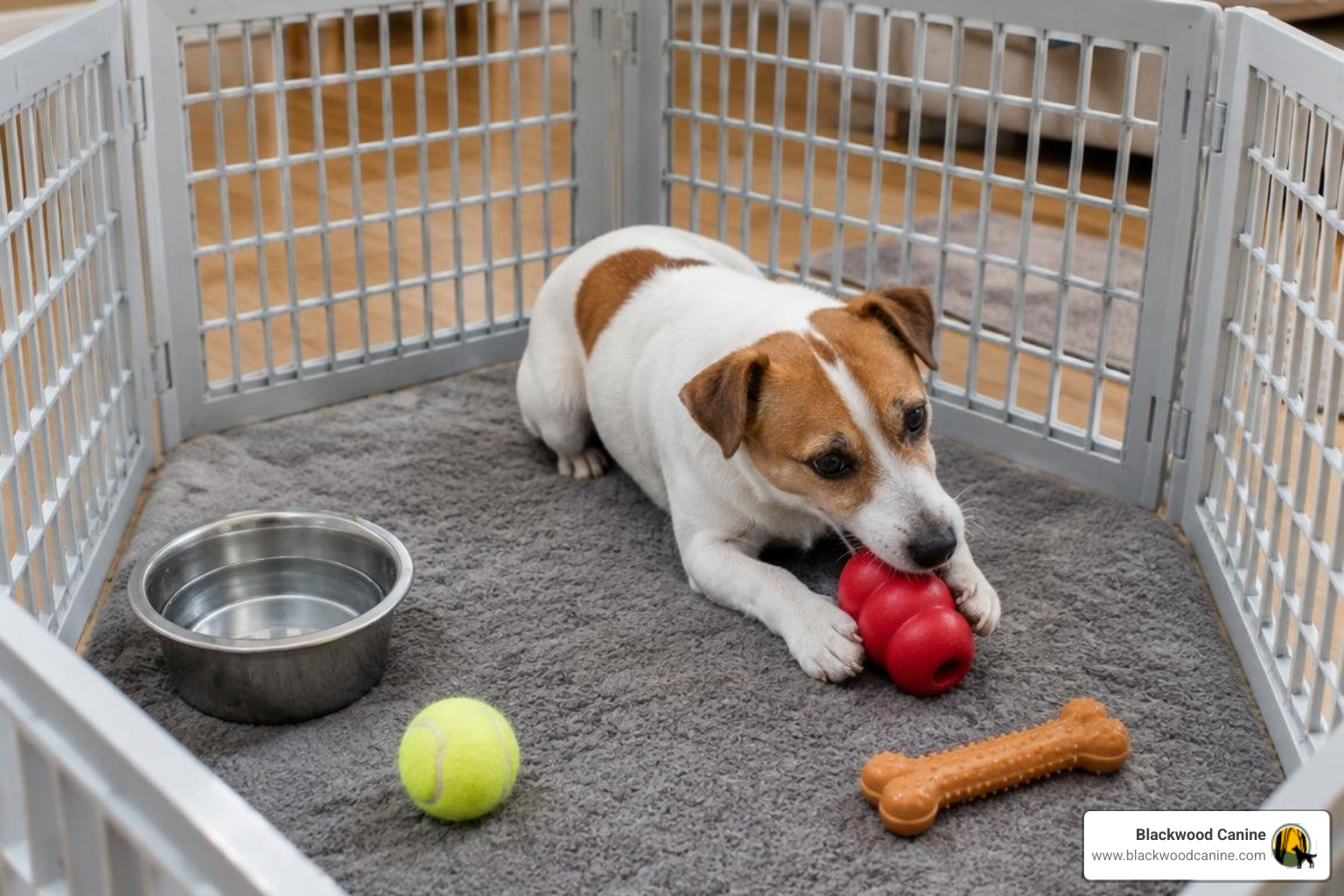
Keep your dog in safe confinement areas or a crate when you cannot actively supervise them. When you catch chewing in real time, calmly interrupt and redirect them to a long lasting chew item or rubber toy. For puppy mouthing protocols, check our tips if is your pup a nipper try these puppy trainer tips to stop biting.
For housetraining, keep a strict schedule for feeding, outdoor potty breaks, and rest. Dogs develop voluntary bladder control around eight and a half weeks of age, but reliable habits require months of consistent supervision. Clean indoor accidents with enzymatic cleaners to remove scent markers, and rule out urinary tract infections or anxiety related elimination with your vet.
Why Punishment and Flooding Worsen Problem Behaviors
Training is not a battle of pure positive against harsh corrections. Balanced training uses clear communication, boundaries, and fair guidance. However, the misuse of intense positive punishment and flooding creates severe fallout.
Flooding forces a dog into direct contact with an overwhelming trigger with no way to escape, hoping they will just get used to it. In reality, flooding often causes learned helplessness or triggers sudden defensive aggression.
Studies show that dogs trained with reward heavy frameworks display significantly fewer behavior problems, less fear, and lower rates of avoidance. Misapplied physical corrections can suppress outward warning signs like growling while leaving the underlying fear untouched, dramatically raising the risk of severe bites. For a deeper breakdown of methodologies, see our guide on dog training methods positive reinforcement vs dominance training. When tools or consequences are used, they must be applied with fair timing, clear criteria, and professional guidance.
Ruling Out Hidden Pain and Medical Causes of Behavior Issues
You cannot train away a medical problem. Clinical studies among veterinary behaviorists show that between 28 percent and 82 percent of patients evaluated for behavior issues demonstrate underlying signs of pain.
Common medical contributors to behavior problems include:
- Orthopedic conditions like hip dysplasia, cruciate tears, and osteoarthritis.
- Spinal discomfort and intervertebral disc disease.
- Endocrine disorders such as hypothyroidism or Cushing's disease.
- Dental pain, ear infections, and gastrointestinal irritation.
- Sensory loss, including progressive blindness or hearing loss in aging dogs.
- Canine Cognitive Dysfunction Syndrome, which causes disorientation, sleep changes, and house soiling in senior pets.
Before assuming a dog is willful or stubborn, schedule a comprehensive physical exam with your veterinarian. If complex aggression, severe phobias, or compulsive stereotypies persist, seek a referral to a board certified veterinary behaviorist as outlined in the Behavior Modification in Dogs MSD Veterinary Manual.
Frequently Asked Questions About Canine Behavior
What Are the Most Effective Dog Behavior Problems Solutions for Fearful Dogs?
The most effective approach for fearful dogs involves sub threshold exposure, predictable routines, and high value reinforcement. Never force a scared dog toward a trigger. Give them space to retreat, reward voluntary curiosity, and let them decompress at their own pace. Review our specialized guide on dog training for fearful dogs to help timid dogs gain confidence.
How can owners distinguish normal undesirable habits from abnormal disorders?
Normal undesirable behaviors are natural canine habits like barking at a cat or chewing a cardboard box that happen at inconvenient times but can be easily redirected. Abnormal disorders involve extreme emotional distress, dangerous escalation, long recovery times after a trigger, compulsive behaviors, or intense panic that prevents the dog from eating and resting.
Can adult and senior dogs overcome severe behavioral challenges?
Yes. Dogs retain neural plasticity throughout their lives. Older dogs can learn new coping mechanisms and routines when given consistent expectations, patience, and appropriate medical support for joint discomfort or cognitive decline.
Rebuilding Peace and Confidence with Your Dog
Living with a reactive, anxious, or destructive dog can leave you feeling exhausted and embarrassed. Real progress does not happen through quick fixes or confusing internet debates. It happens through clear communication, solid management, structured boundaries, fair consequences, and owner consistency.
At Blackwood Canine, we provide hands on coaching and immersion programs for owners across Portland, Hillsboro, Beaverton, Scappoose, St. Helens, and Vancouver. Our basic obedience foundation training starts at 4 weeks, and we offer 6 week and 8 plus week timelines for complex behavior modification. We do not offer training programs shorter than 4 weeks because building real habits takes dedicated repetition and follow through.
If you are ready to stop managing daily stress and start making measurable progress, explore our behavior modification training programs and schedule your Good Dog Game Plan consultation today.