
Top Dog Rescue Shelters Portland Oregon Pet Seekers Trust
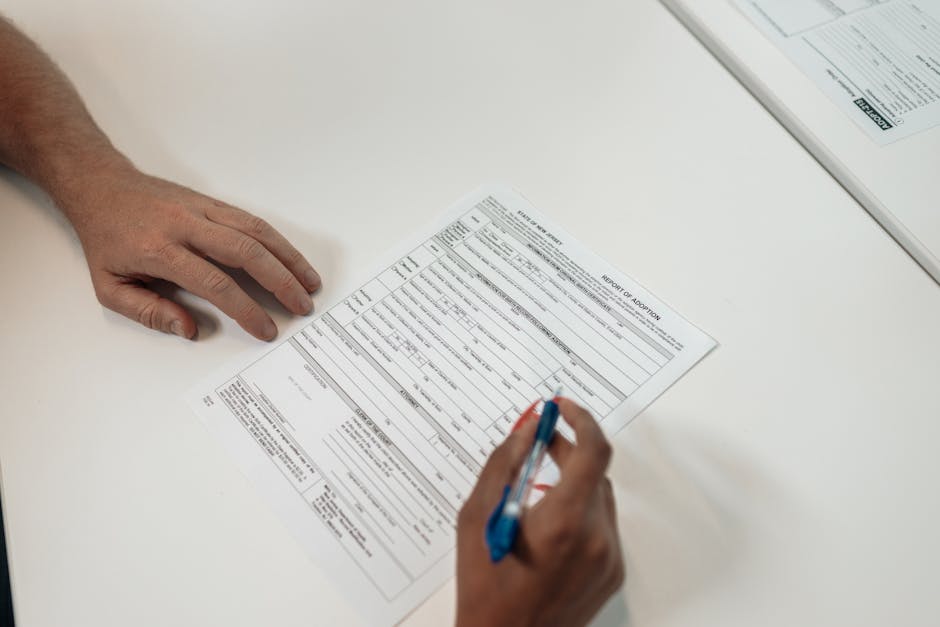
Adopting a rescue dog across the Portland metro area gives a second chance to an animal in need. Across the country, approximately 607,000 dogs and cats are euthanized in shelters annually. Our local Pacific Northwest rescue community works tirelessly through no kill missions, municipal intake facilities, and volunteer foster networks to save lives and place pets into permanent homes. For many families, finding the right dog rescue shelters in Portland, Oregon starts with a simple question: which organization is the right fit for your home and lifestyle?
| Organization | Location & Service Area | Primary Intake Model | Specialty Focus & Services |
|---|---|---|---|
| Oregon Dog Rescue | 6100 S Macadam Ave, Portland, OR | Physical Adoption Facility | High intake capacity, up to 175 dogs per month, open daily 11am to 6pm |
| The Pixie Project | Central Eastside, Portland, OR | Facility & Foster Network | Personalized match making, on site low cost veterinary clinic, community pet care |
| One Tail At A Time PDX | 5132 NE Sandy Blvd, Portland, OR | Foster Based Adoption Center | All breed rescue, vulnerable shelter dog pulls, community pet support |
| Stumptown Strays | Portland Metro Area | Foster Network | Specializes in shelter dogs needing life saving veterinary care |
| Underdogs Rock! Rescue | Portland & SW Washington | Foster Network | Interstate transports from high kill shelters, behavioral rehabilitation |
| Multnomah County Animal Services | Troutdale / Multnomah County | Municipal Open Admission Shelter | Stray intake, lost pet reunifications, animal licensing, county adoptions |
Established Facility Shelters in the Portland Metro Area
If you prefer visiting a dedicated shelter facility, Portland offers several non profit operations. Oregon Dog Rescue, located on South Macadam Avenue, is a 501(c)(3) no kill shelter founded in 2007. They accommodate up to 65 dogs at a time, intake up to 175 dogs monthly, and prepare close to 2,000 dogs each year for adoption without receiving government funding.
The Pixie Project operates on Portland's Central Eastside. They focus on personalized pet matching and run an on site low cost veterinary clinic that provides spay, neuter, and medical surgeries for low income and houseless pet owners.
Foster Based Rescue Networks in Portland
Foster based rescues place dogs directly into local volunteer homes rather than housing them in traditional kennel environments. One Tail At A Time PDX has saved 2,842 dogs since 2015. Their foster homes assess an animal's natural personality, household manners, and energy levels in everyday home settings before permanent placement.
Similarly, Underdogs Rock! Rescue rescues at risk dogs from overcrowded, high kill shelters and transports them to the Portland area. Volunteer foster families provide warm beds, stable daily routines, basic foundational training, and routine veterinary visits until an adoptive match is finalized.
Breed Specific and Special Needs Rescues
Some dogs require unique medical interventions or specialized home setups. Stumptown Strays focuses specifically on shelter dogs with complex medical needs. Their team brings over 60 years of combined veterinary experience, helping 929 animals find permanent homes since 2021.
Other regional networks focus on specific needs, such as deaf dogs, senior dogs, or small breed mixes. When considering a dog with distinct medical or physical requirements, make sure your home routine and budget align with the care they require.
Understanding the Portland Pet Adoption Process and Fees
Adopting through local rescue shelters involves a structured process designed to ensure lasting placements. Shelters balance animal welfare with lifestyle compatibility to ensure dogs thrive in their new environments.
Step by Step Application and Vetting Workflow
The adoption process typically begins with an online application that asks about your housing situation, activity levels, work schedules, yard security, and experience with pets. If you rent, rescues will verify landlord approval and pet deposit compliance.
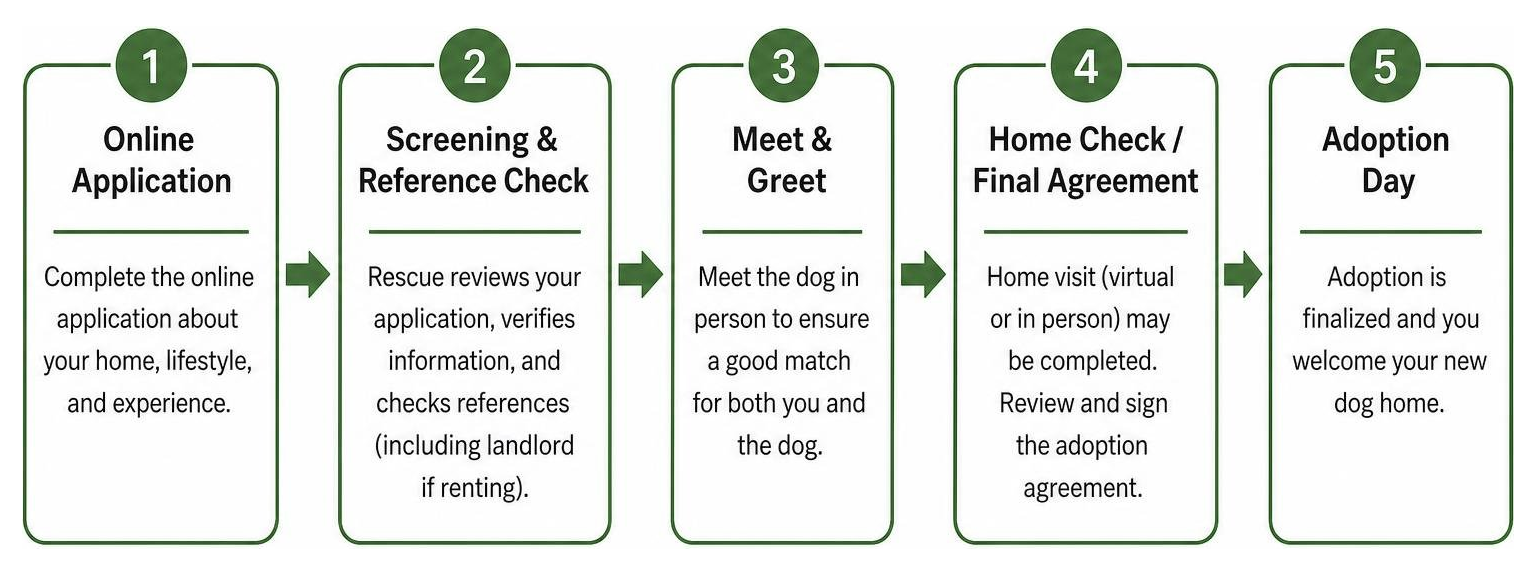
Before submitting an application, reviewing 5 questions to ask an experienced trainer before getting a dog can help clarify the specific energy level, age, and behavioral traits that fit your home. Once approved, you will complete an in person meet and greet. Some organizations may conduct a virtual or in person home visit before finalizing the adoption contract.
Navigating Dog Rescue Shelter Requirements and Costs in Portland
Adoption fees help non profit rescues recover essential veterinary, housing, and transport costs. Most Portland rescues provide comprehensive medical preparation before adoption, including:
- Spay or neuter surgery
- Age appropriate core vaccinations (DHPP, Rabies, Bordetella)
- Microchip placement and registration
- Internal parasite deworming and flea preventative treatments
Adoption fees generally range between $150 and $250 for adult dogs, with puppy adoption fees running slightly higher to cover booster vaccinations. Many organizations offer reduced adoption fees for senior dogs (often around $180) to encourage the placement of older pets.
Current Challenges and Health Protocols in Local Shelters
Local animal shelters face persistent operational challenges, including intake surges, capacity limitations, and seasonal disease pressures.
Managing Shelter Capacity and Biosecurity Protocols
High density kennel environments require strict biosecurity protocols. Outbreaks of respiratory or bacterial pathogens, such as Streptococcus zooepidemicus (SZ), require rapid containment by municipal facilities like Multnomah County Animal Services.
When outbreaks occur, facilities implement kennel sanitation measures, limit visitor interactions to two dogs per visit, and require shoe disinfection. Adopters are often instructed to maintain a strict 14 day post adoption home quarantine to separate the new dog from resident pets while monitoring for signs of illness.
How Fostering and Volunteering Relieve Overcrowding
Volunteer foster homes provide essential relief when municipal and non profit shelters reach maximum capacity. Foster families provide temporary housing for shelter animals, allowing organizations to manage intake surges safely.
Volunteers also support shelter operations through daily dog walking, kennel upkeep, adoption event coordination, and donation management. Even short term weekend fostering or supply donations help maintain high care standards across local facilities.
Preparing Your Home and Transitioning Your Rescue Dog
Bringing a rescue dog home requires patience, clear boundaries, and realistic expectations. Dogs need time and consistent structure to adapt to unfamiliar environments.

The 3 3 3 Rule and Decompression Strategies
The 3 3 3 rule is a general guideline for how a rescue dog adjusts to a new home over time:
- First 3 Days: The dog may feel overwhelmed, shut down, or unsure of their surroundings. Keep the environment quiet, stick to a predictable routine, and avoid overwhelming social visits or dog park trips.
- First 3 Weeks: The dog begins to settle in, understand daily routines, and show their true personality. This is the time to maintain firm household boundaries and consistent management.
- First 3 Months: The dog builds genuine trust, feels secure in the home, and understands family expectations.
Provide a safe, designated resting space such as a crate or quiet room where your dog can decompress without interruption.
Essential Post Adoption Training and Behavioral Support
Rescue dogs often arrive with unknown backgrounds and may show signs of stress, such as leash reactivity, barrier frustration, or environmental fear. Supporting a newly adopted dog requires clear expectations, practical management, balanced reinforcement, and consistent follow through.
For nervous dogs, dog training for fearful dogs helps build environmental confidence through steady routines. If a dog displays reactivity toward other animals or urban distractions, targeted reactive dog boot camp protocols help establish impulse control.
Every successful transition relies on a strong basic obedience dog training foundation. Effective training is never about relying purely on treats or harsh corrections; practical training tools and balanced methods, when used properly under professional guidance, give dogs the clear feedback they need to understand household boundaries.
Frequently Asked Questions About Portland Rescues
What are the typical adoption fees at Portland dog shelters?
Adoption fees in the Portland metro area generally range from $150 to $250 for adult dogs, with puppies often priced slightly higher and senior dogs often reduced to $180 or less. These fees cover spay or neuter surgery, core vaccinations, microchipping, and initial health checks.
Can I foster a dog before committing to adopt?
Yes. Many Portland rescues offer foster to adopt programs or temporary foster placement. Fostering allows you to evaluate how a dog interacts with your family, daily schedule, and home environment before finalizing the adoption contract.
How do I adopt a rescue dog if I live in an apartment?
Many rescues place dogs with apartment owners provided you meet the dog's mental and physical exercise needs. Rescues will review your lease terms, pet weight limits, breed restrictions, and your daily plan for leash walks and outdoor bathroom breaks.
Setting Up Your New Rescue Companion for Lifelong Success
Adopting a rescue dog is a rewarding commitment. While bringing a new pet home is exciting, establishing reliable habits and household boundaries requires consistency, clear communication, and structured guidance.
At Blackwood Canine, we work with busy dog owners across Portland, Beaverton, Hillsboro, Bethany, Scappoose, St. Helens, Warren, and Vancouver who want a dependable, well mannered companion. Whether you are welcoming a young rescue dog or managing complex behaviors, our immersion dog training programs provide the structure your dog needs. Our foundational obedience programs start at 4 weeks, while our 6 week and 8 plus week programs are designed for intensive behavior modification.
If you are ready to build a clear, stress free relationship with your newly adopted rescue dog, reach out to Blackwood Canine to start your Good Dog Game Plan today.