
Finding the Best Overnight and Long Term Dog Boarding in Portland
Understanding Private Dog Boarding Portland Options vs Traditional Kennels

Finding safe overnight lodging for your dog can feel stressful when your pup has specific quirks, high arousal levels, or social sensitivities. The right environment makes all the difference. In Portland, pet parents have access to standard commercial facilities, group play settings, and dedicated private suites. For a broader look at how boarding fits into your dog's overall routine, the American Kennel Club offers practical guidance on preparing for a boarding stay.
| Feature | Standard Commercial Kennels | Cage Free Group Lodging | Private Suites / Solo Care |
|---|---|---|---|
| Nightly Rates | $45 to $65 | $70 to $90 | $90 to $120+ |
| Living Space | Chain link or glass run | Open common rooms | Private individual suite or crate |
| Noise Levels | High, frequent barking | Moderate to high activity | Low to soundproofed zones |
| Social Structure | Rotational yard turns | Continuous pack interaction | Solo playtime and one on one staff care |
| Best For | Confident, easygoing dogs | Highly social, playful dogs | Anxious, reactive, intact, or senior dogs |
Understanding these categories helps you protect your dog from sensory overload while you travel.
Traditional Facilities vs Private Dog Boarding Portland
Traditional facilities often rely on rows of adjacent runs. While this model works for easygoing dogs, the close proximity to unfamiliar dogs can trigger barrier frustration, fence fighting, and nonstop vocalization.
Private boarding removes the chaotic communal energy. Instead of facing a row of barking neighbors, dogs rest inside individual rooms or crates with solid walls, visual barriers, and dedicated climate control. This sense of security drastically reduces kennel stress. Dogs receive one on one attention from handlers during bathroom breaks, meals, and solo yard time rather than navigating complex group dynamics.
Cage Free and Home Style Boarding Environments
Cage free facilities let dogs mingle in open indoor and outdoor spaces throughout the day. Some operate in large commercial buildings, while others offer home style lodging in residential properties.
While free roam setups sound appealing, they are not suitable for every dog. Constant multi dog dynamics require exceptional social tolerance. A good cage free facility maintains round the clock staffing, strictly enforces clear boundaries, and provides designated rest zones so dogs do not become overtired or reactive.
Key Benefits of Individualized Care for Anxious and Special Needs Dogs
Dogs dealing with fear or chronic stress often unravel in high volume facilities. Anxious dogs thrive on predictable schedules, low noise, and minimal visual triggers. When dogs receive individualized handling, caretakers can focus entirely on reading subtle stress signals, monitoring food intake, and providing calm companionship. Pet parents working through fear issues often integrate dog training for fearful dogs at home to build baseline confidence before planning an extended boarding stay.
Accommodations for Reactive or High Drive Dogs
High drive working dogs and reactive pups struggle when forced to look at strange dogs all day. A private suite creates a safe spatial buffer. Handlers can route the dog through private hallways directly to solo exercise yards, preventing unexpected hallway encounters.

When boarding a dog with intense reactions, pairing your management plan with structured reactive dog training ensures your dog understands fundamental leash handling and handler focus when navigating new facilities.
Senior Dogs and Medical Support
Aging dogs need physical comfort and quiet rest. Private boarding suites frequently offer orthopedic bedding, traction flooring for arthritic joints, and climate controlled rooms that shield older dogs from excessive drafts.
Facilities offering dedicated private services can easily manage strict medication schedules, including insulin injections, heart medications, and joint supplements. Handlers monitor senior water consumption and mobility daily, coordinating directly with local veterinary clinics if an older dog shows signs of distress.
Typical Costs, Requirements, and Policies in the Portland Metro Area
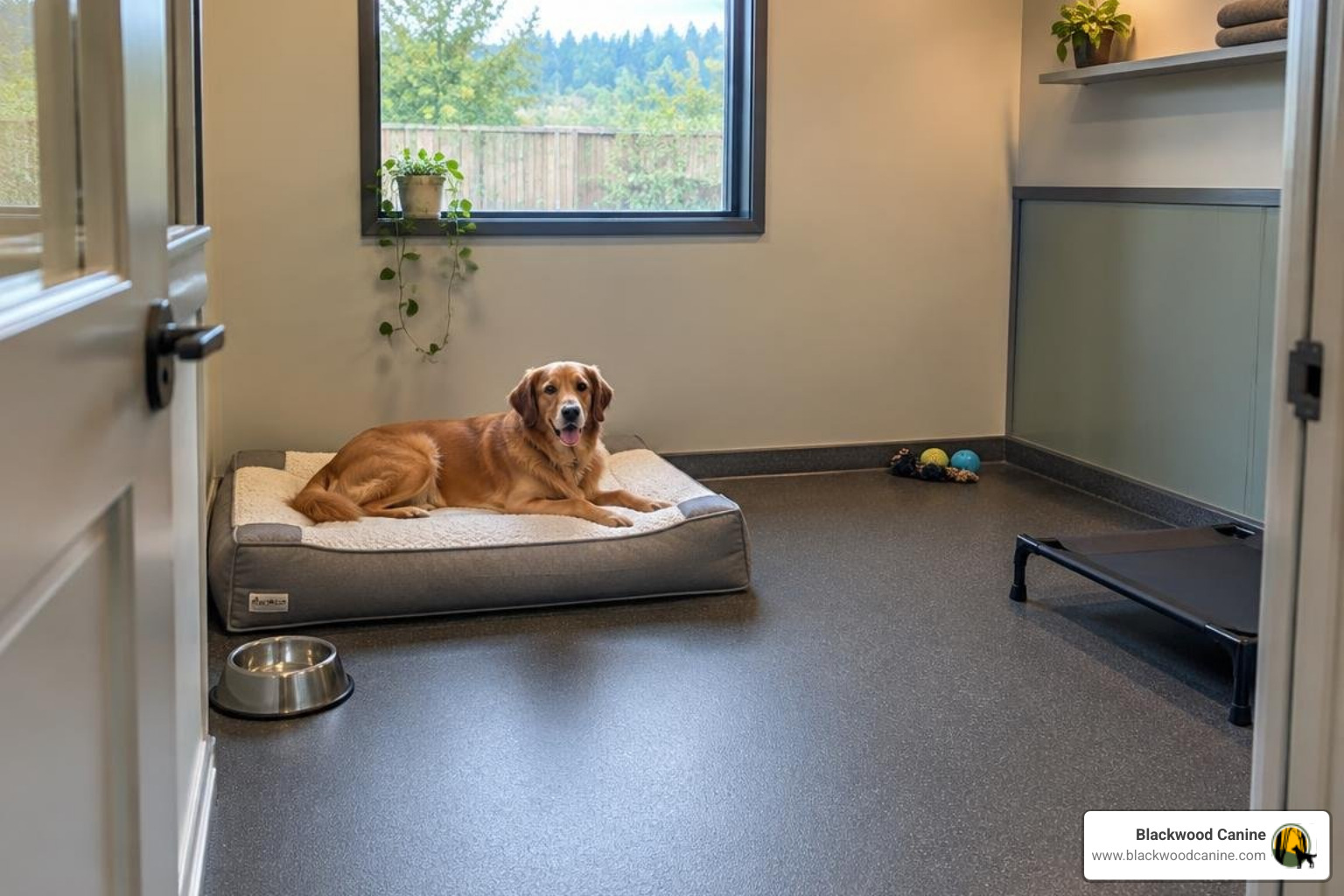
Pricing and availability across the Pacific Northwest reflect the high demand for specialized pet care. Pet owners in Beaverton and Hillsboro will find similar pricing structures to downtown Portland facilities, with slight adjustments based on suite size and included amenities.
Average Pricing for Private Dog Boarding Portland
Nightly base rates for standard boarding in the area start around $60 to $70. Upgrading to a private suite with extra square footage, sound dampening, or webcam access typically pushes the cost to $90 to $120 per night.
Facilities often charge extra for customized add ons:
- Daily photo updates: $8 per day
- One on one play sessions: $18 per session
- Medication administration: Complimentary for basic pills up to two doses, or $8 per day for complex regimens
- Orthopedic bed rental: $12 per night
- Holiday surcharges: $10 per night
Many providers require a 50 percent deposit upon booking and enforce two to three night minimums during peak holiday periods. Some businesses offer a 10 percent discount for stays exceeding five nights or for first responders, teachers, and military personnel.
Vaccination Protocols and Temperament Evaluations
Reputable facilities enforce strict medical standards to protect all guests. You must provide official veterinary records confirming:
- Rabies vaccination
- DHPP (Distemper, Hepatitis, Parvovirus, Parainfluenza)
- Bordetella (often required within the last six to twelve months)
- Active flea and tick preventative coverage
Before booking an extended private stay, facilities usually schedule a mandatory meet and greet or trial day. This visit allows staff to evaluate how your dog handles being handled by strangers, entering a suite, and resting quietly without exhibiting extreme panic or destructive behaviors.
Preparing Your Pup: What to Pack and What to Expect for Check In
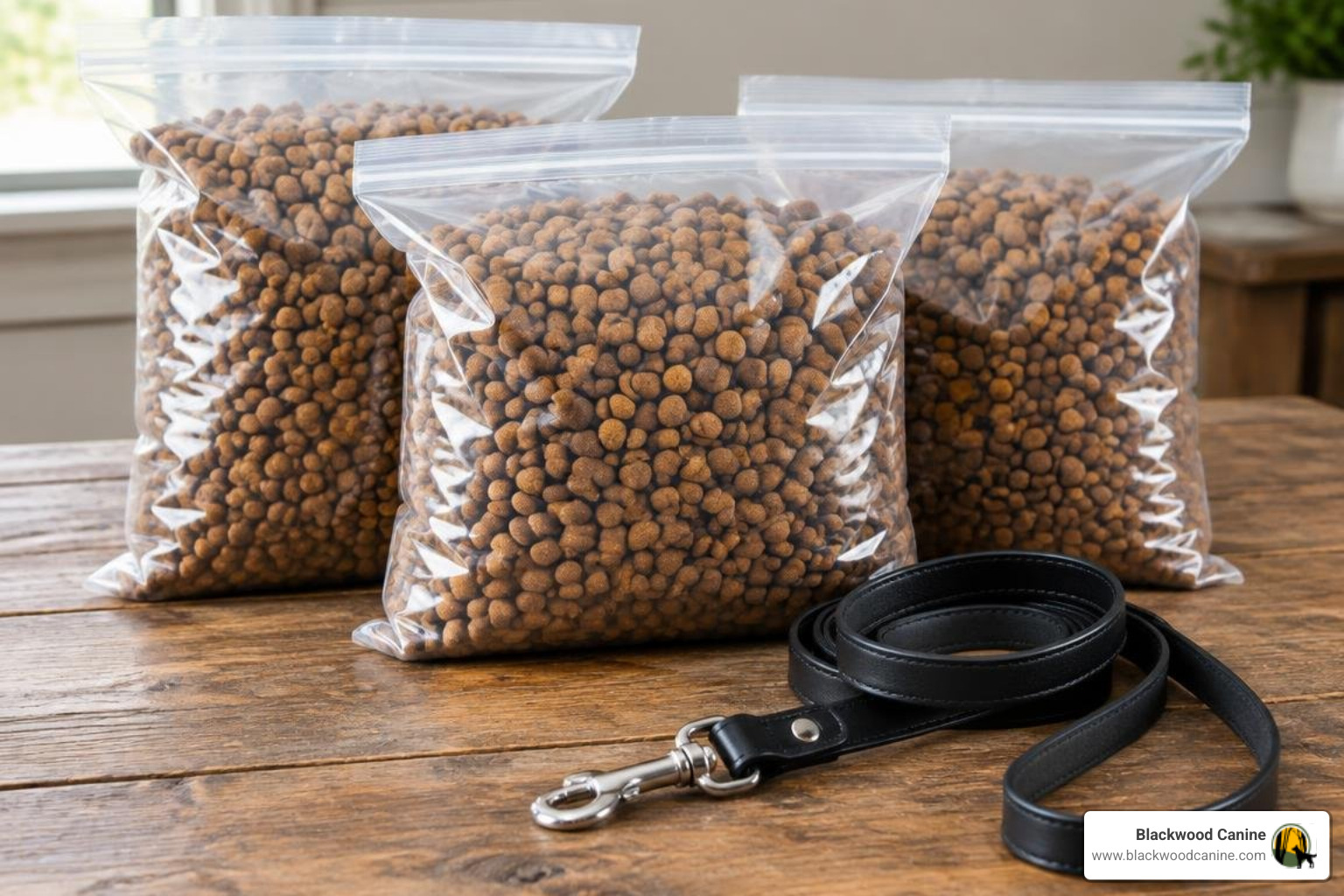
Proper preparation prevents digestive upset and helps your dog settle into their temporary routine quickly. Bring clearly labeled items and keep personal belongings focused on essential needs:
- Enough dog food for their stay, plus a bit more for just in case.
- Clear written instructions detailing meal times and exact medication dosages
- A secure, flat collar or slip lead and an up to date identification tag
- Any required veterinary contact details and emergency contact authorizations
Drop Off and Pick Up Logistics
Most facilities operate structured check in windows between 7:00 AM and noon on weekdays, with shortened weekend hours. Checking your dog in during the morning gives them ample time to explore their suite, complete an initial potty turn, and decompress before nighttime lights out.
Late checkouts past noon usually trigger a day care fee or a flat late fee around $20 to $25. Make sure to confirm whether curbside drop off is available if your dog struggles with excitement or reactivity in busy lobby areas.
Emergency Preparedness and On Site Safety
A quality facility maintains rigorous safety standards. Ask if the facility has 24/7 on site staffing or relies on remote camera monitoring after hours. Commercial grade smoke detectors, backup power generators, secure perimeter fencing, and established evacuation plans are essential. The staff should have clear protocols for transporting a sick or injured dog to an emergency veterinary hospital immediately if urgent care is required.
Frequently Asked Questions About Overnight Dog Care
What is the cancellation policy for holiday boarding reservations in 2026?
Holiday boarding fills months in advance. Most facilities require cancellations at least ten days prior to the reservation date to receive a full refund of your deposit. Cancellations made within two to nine days often forfeit the deposit or incur a single night charge, while cancellations within 48 hours are charged the full reservation balance.
How do private facilities handle dogs with severe separation anxiety?
Private facilities manage separation distress by pairing dogs with calm, confident handlers for one on one exercise, providing enrichment toys like frozen stuffed Kongs, and housing them in quiet, low traffic rooms.
Can intact dogs or dogs requiring specialized care be accommodated in private boarding?
Yes. Intact males and females are generally accepted in private boarding suites because they do not participate in group play. Intact dogs over seven months must remain on solo exercise schedules. If a female enters her heat cycle during a stay, facilities typically apply an additional daily sanitation fee to manage the extra cleaning requirements.
Choosing the Right Care for Your Dog’s Peace of Mind
Selecting the right boarding setup comes down to knowing your dog's true behavioral baseline and social tolerance. If your dog gets overwhelmed by noise, guards resources, or struggles around strange dogs, placing them in a crowded group room is a recipe for regression. A private suite provides the quiet sanctuary they need to rest safely while you are away.
If you find that your dog's reactivity, anxiety, or lack of basic manners makes travel and boarding a recurring headache, boarding alone will not fix the underlying communication gaps. A reliable boarding stay relies on clear expectations, reliable impulse control, and mutual trust. When you are ready to build real stability and confidence in your dog, an immersion dog training program can lay the structural groundwork your dog needs to navigate new environments calmly and successfully.