
The 5 Best Dog Day Camp Training Programs Near You
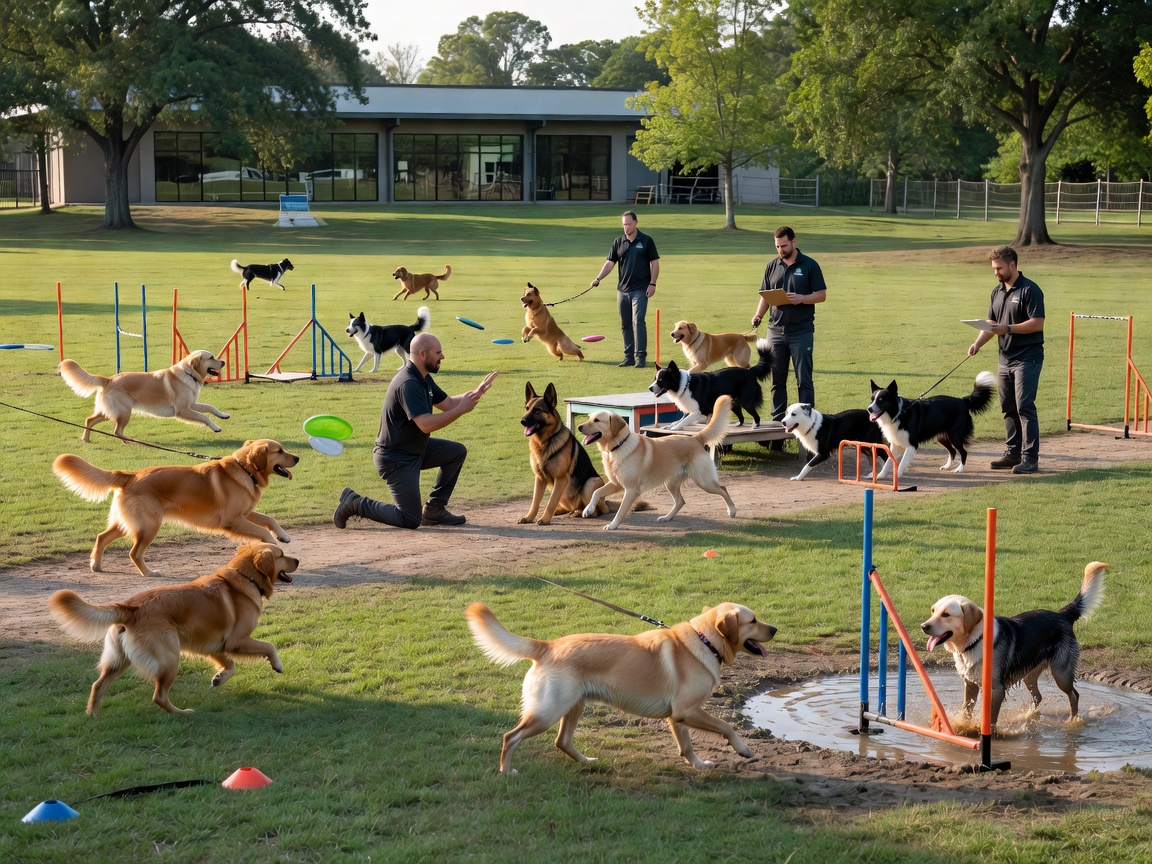
Dog day camp training is a hybrid approach to pet care. Instead of leaving your dog in an open room to play all day without guidance, day training blends regular care with structured skill building. You drop your dog off in the morning, professional trainers work on specific goals throughout the day, and you pick up your dog in the evening.
Unlike standard daycare options that focus mostly on free play, day camp training builds useful real world habits. Dogs practice essential skills such as:
- Loose leash walking without pulling
- Impassioned impulse control around distractions
- Reliable recall and basic obedience commands
- Calm greetings with humans and other dogs
- Settling quietly when nothing is happening
A traditional daycare often involves large, cage free play yards where dogs run continuously. While this wears out physical energy, it can sometimes reinforce bad habits like demand barking, jumping, or overstimulation.
Day camp training fixes this issue by mixing short, focused learning lessons with supervised rest and structured social time. Your dog gets mental exercise alongside physical activity. Many facilities also require or recommend starting with private dog training lessons to establish a baseline of focus before adding the high distraction environment of group play.
What to Look for in Dog Day Camp Training Near Me
Finding the right local day camp training program requires looking beyond flashy websites and fancy facilities. You want a safe environment where qualified trainers prioritize your dog's mental state and physical well being.
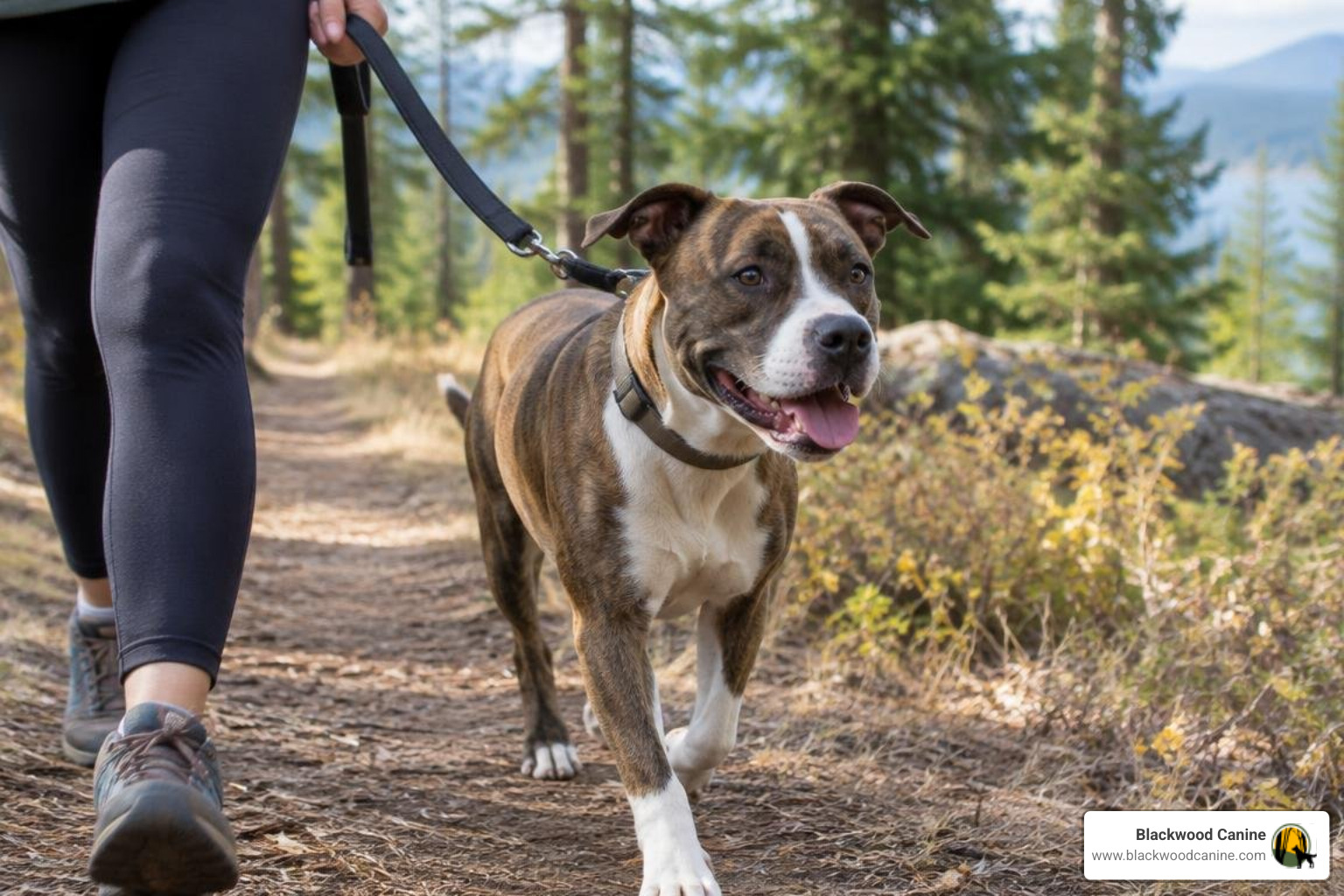
When researching options nearby, look closely at these key markers:
- Trainer Qualifications: Check if staff members have actual hands on experience with behavior management, or if they are simply daycare attendants monitoring play.
- Facility Cleanliness: Yards and indoor spaces should be sanitized regularly, free of standing waste, and properly ventilated.
- Climate Control: Indoor play areas and rest rooms must be climate controlled to keep dogs safe during freezing winter mornings or summer heatwaves.
- Emergency Safety Protocols: Staff should have clear plans for medical emergencies, weather alerts, and managing unexpected dog conflicts.
- Transparent Updates: Top programs provide daily report cards, pictures, or written notes outlining what skills your dog practiced that day.
Key Benefits of Day Camp Training vs Traditional Daycare
Combining daytime care with structured learning gives busy dog owners several distinct advantages over standard dog drop off services.
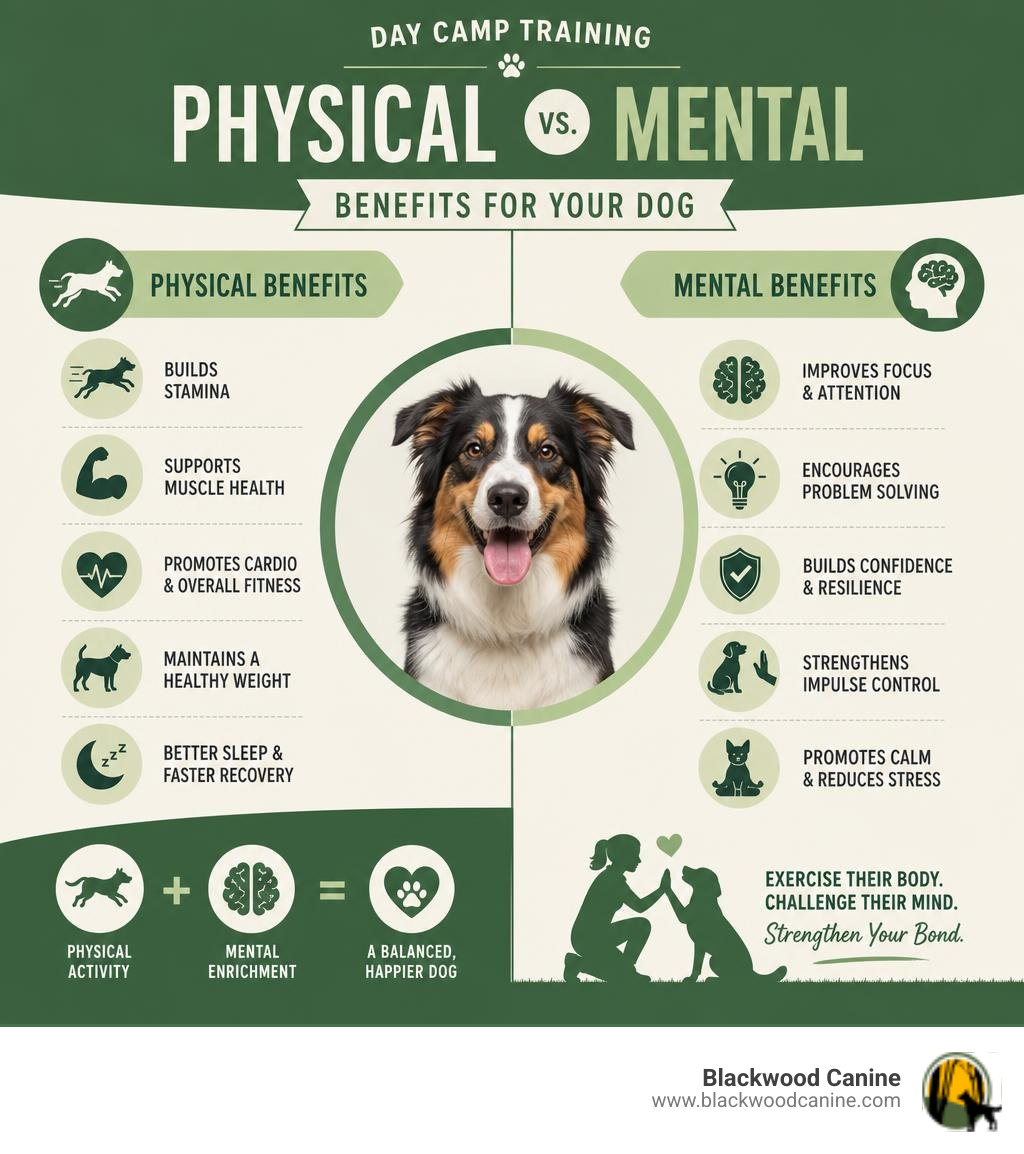
First, day camp training helps prevent problem behaviors before they start. Unsupervised group play can teach dogs to react impulsively around other animals. Structured day camps teach your dog how to focus on a handler even when other dogs are running around nearby.
Second, it provides balanced mental enrichment. Physical exercise alone will not calm a high drive working breed or anxious young dog. Brain games, obedience drills, and impulse control practice tire dogs out in a balanced, healthy way. Best of all, your dog returns home with you every night, so you do not have to give up your evening routine or miss spending time with them.
Structured Schedules and Safety Evaluations in Dog Day Camp Training Near Me
A quality day camp training center operates on a clear schedule designed to prevent overstimulation and fatigue. Dogs do not learn well when they are exhausted or overwhelmed, which is why balance is critical.
A typical day camp schedule includes structured morning play, individual training sessions, mandatory midday rest, and brief afternoon reviews.
Safety begins before a dog ever steps into a play yard. Reputable facilities require a formal temperament evaluation. Staff members introduce the new dog to established, neutral dogs in a controlled area to assess body language, confidence, and play style.
Instead of grouping dogs purely by size, high quality facilities group dogs by play style and energy level. A timid large dog might do much better with gentle, calm playmates than with an assertive, high energy puppy of the same weight.
Comparing Top Day Camp Options and Board and Train Alternatives
When evaluating local options for your dog, you will likely choose between local day camp training options, group classes, or full overnight programs. Each format serves a different purpose depending on your schedule and your dog's current behavior.
| Feature | Dog Day Camp Training | Traditional Daycare | Board and Train Program |
|---|---|---|---|
| Daily Schedule | Drop off AM, pick up PM | Drop off AM, pick up PM | Overnight stay for several weeks |
| Focus Area | Play plus structured obedience | Free play and energy burn | Intensive behavior and foundation training |
| Owner Involvement | Daily follow through at home | Minimal | End of program transfer lessons |
| Ideal Dog Type | Dogs needing manners & mental exercise | Social, highly friendly dogs | Dogs needing serious structure or fast progress |
| Minimum Duration | Day to day or multi week packages | Flexible drop off | Minimum 4 to 8+ weeks depending on goals |
Facilities that host specialized summer camps or seasonal events often add fun extras like agility equipment, swimming pools, splash pads, scent games, and pack walks. These extra activities keep dogs engaged, build confidence, and make learning enjoyable.
Selecting Dog Day Camp Training Near Me for Socialization and Agility
For social dogs who love learning new things, day camps that include confidence building activities like agility obstacles or scent games offer a great output.
Scent work encourages dogs to use their noses to locate specific scents or hidden items, which naturally lowers stress and promotes calm focus. Agility work, like climbing over low platforms or navigating tunnels, builds physical coordination and trust in the handler. These activities turn basic obedience into fun games that dogs look forward to every day.
When Overnight Immersion or Boot Camp Is Better Than Day Training
Day camp training works wonderfully for basic manners, leash skills, and light social adjustment. However, it is not always the best fit for every dog. If your dog struggles with severe leash reactivity, intense resource guarding, or deep rooted anxiety, taking them back and forth from home every day can slow down progress.

In those situations, an immersive Portland dog board and train program or specialized reactive dog boot camp provides the round the clock consistency needed for real change.
Overnight programs allow professional trainers to manage every aspect of the dog's environment, routines, and learning triggers without daily disruptions. This creates a clear, stress free structure where the dog can learn new response habits much faster.
Health Requirements and What Pet Parents Say in Reviews
Keeping every dog safe requires strict health protocols. Reliable day camp facilities maintain clear medical standards before allowing any dog into group play or shared training rooms.
You will need to provide documentation from your veterinarian showing your dog is current on key vaccinations:
- Rabies: Required by law across Oregon and Washington.
- DHPP (Distemper, Hepatitis, Parvovirus, Parainfluenza): Standard core vaccine.
- Bordetella: Protects against kennel cough. Many active day camp facilities require this booster every six months due to close contact between dogs.
- Canine Influenza: Strongly recommended or required by facilities to prevent respiratory outbreaks.
Beyond vaccines, check online reviews to see what actual clients experience. Look for mentions of staff communication, dog safety, facility cleanliness, and whether the training results transferred well to the owner's home routine.
Questions to Ask Before Choosing a Facility
Before signing your enrollment paperwork, ask the staff these direct questions:
- How do you handle a dog that gets overwhelmed or overstimulated during play?
- What training methods and tools do your staff use during daily lessons?
- How many staff members are present in the play yard per dog?
- What happens if a dog gets hurt or shows unexpected aggression?
- How do you teach owners to maintain the training progress at home?
Frequently Asked Questions About Day Camp Training
What vaccinations are required before joining a day camp training facility?
Most facilities require Rabies, DHPP, and Bordetella vaccinations. Because dogs interact closely during play and group lessons, many centers require the Bordetella vaccine every six months instead of annually. Canine Influenza is also commonly requested alongside a general veterinary health release.
How are dogs evaluated and grouped for safe play?
Facilities conduct a hands on temperament assessment before a dog's first full day. Staff members observe the dog's body language around neutral dogs. Dogs are then grouped based on play style, energy level, and social confidence rather than just age or breed size.
How do I choose between day camp training and private lesson programs?
Day camp training is ideal if you need daytime care while you work and want your dog to get structured practice in group settings. Private lessons are better if you want direct, hands on coaching from the start, or if your dog struggles with severe behavior issues at home. Many owners choose a combined path, using private coaching to build a baseline before enrolling in group programs or specialized behavior modification training.
Finding Peace of Mind and the Right Program for Your Dog
Searching for dog day camp training near me is ultimately about finding balance. You want a safe place where your dog can spend their day learning good habits, building social confidence, and burning off excess energy in a constructive way.
Successful training requires clear expectations, practical management, fair consequences, and consistent follow through. While day training gives your dog a head start, long term results always depend on how well those habits are maintained in your home environment.
At Blackwood Canine, we guide dog owners across Scappoose, St. Helens, Warren, Bethany, Hillsboro, Beaverton, Portland, and Vancouver toward reliable, stress free relationships with their dogs. We focus on clear communication and practical management tools that fit seamlessly into busy family routines.
We know that deep behavioral change takes time and clear structure:
- Our basic obedience foundation training starts at a minimum of 4 weeks.
- Complex behavior modification programs run on 6 week timelines.
- Advanced reconditioning for severe behavior cases spans 8 plus weeks.
We do not offer quick fixes or training programs shorter than 4 weeks, because building real reliability takes consistency and step by step practice.
If you are ready to stop struggling with pushy behavior or stressful daily walks, check out our Dog Day Camp Training and immersion programs to discover how clear structure can bring peace back to your home.