
Car Anxiety Training Checklist for Calmer Rides
Car Anxiety vs. Motion Sickness: Identifying the Real Culprit
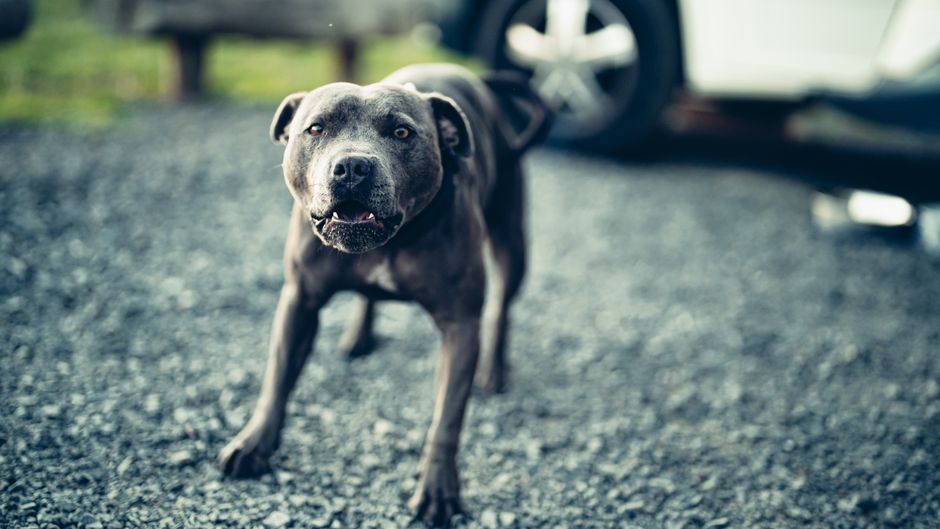
A practical car anxiety training checklist starts with short, parked hangs near the car, moves to letting the engine idle, graduates to slow driveway rolls, and wraps up with quick spins to fun spots. You have to move at your dog's pace and reward calm vibes every step of the way. But before you dive into practice runs, you need to know what is actually going on inside your dog. Car dread and plain old car sickness look almost identical on the surface. Both bring on waterfall drool, pitiful whining, and a dog that looks like they are deeply questioning every life choice you have ever made for them.
Trying to fix tummy trouble with training drills will not settle an upset stomach. On the flip side, shoving motion sickness pills down your dog's throat will not cure pure panic about the car itself.
| Symptom or Behavior | Car Anxiety (Fear Based) | Motion Sickness (Tummy and Ear Based) |
|---|---|---|
| When drama starts | Inside the house, walking to the car, or opening doors | A few minutes after the wheels start rolling |
| Panting and pacing | Heavy panting, constant shifting, scanning windows | Sluggish, heavy drooling, glued to one spot |
| Snack interest | Snubs hot dogs near or inside the car | Munches happily while parked, snubs snacks once dizzy |
| Puking | Rare, usually comes after wild panic or nonstop barking | Very common, usually starts with nonstop lip smacking |
| Post ride bounce back | Bounces back the second four paws hit the ground | Stays sluggish or sour stomached for half an hour |
A lot of puppies get car sick simply because their inner ear balance system is still under construction. If a puppy gets sick every single time they ride, they quickly decide that cars are rolling torture chambers. Even after their inner ears grow up around their first birthday, that learned dread sticks around.
Spotting the Scared Dog Red Flags
Pure car anxiety is all about dreading what comes next. If your dog starts lip licking, yawning like they missed a night of sleep, whining, or moonwalking away the second you pick up your car keys, you are dealing with genuine fear.
Look at their eyes and posture. A nervous dog gives you whale eye, where the whites of their eyes bug out. Their ears flatten back, their tail glues itself between their legs, and their muscles turn to stone. Other dogs lose their minds at outside movement, barking like maniacs at every passing truck or neighbor on a jog. Learning how to handle dog anxiety car windows helps you cut down on outside triggers before your dog completely boils over.
Motion Sickness Clues and Puppy Ear Woes
Physical car sickness is purely mechanical. It happens when your dog's eyes and their inner ear balance fluid cannot agree on whether they are sitting still or flying down the road. Puppies get the worst of it, but plenty of adult dogs get carsick too.
Real motion sickness shows up as thick, ropey slime hanging from their jowls, endless lip smacking, and dry heaving on twisty turns or stop and go traffic. If you suspect ear issues or real nausea, check out the VCA Animal Hospitals guide on pet travel and loop in your vet before you start training.
Essential Gear and Calming Aids Before You Begin
You cannot train a dog who is skating across slick leather seats or ping ponging off your center console. Physical stability brings physical safety, and physical safety keeps brains from melting.
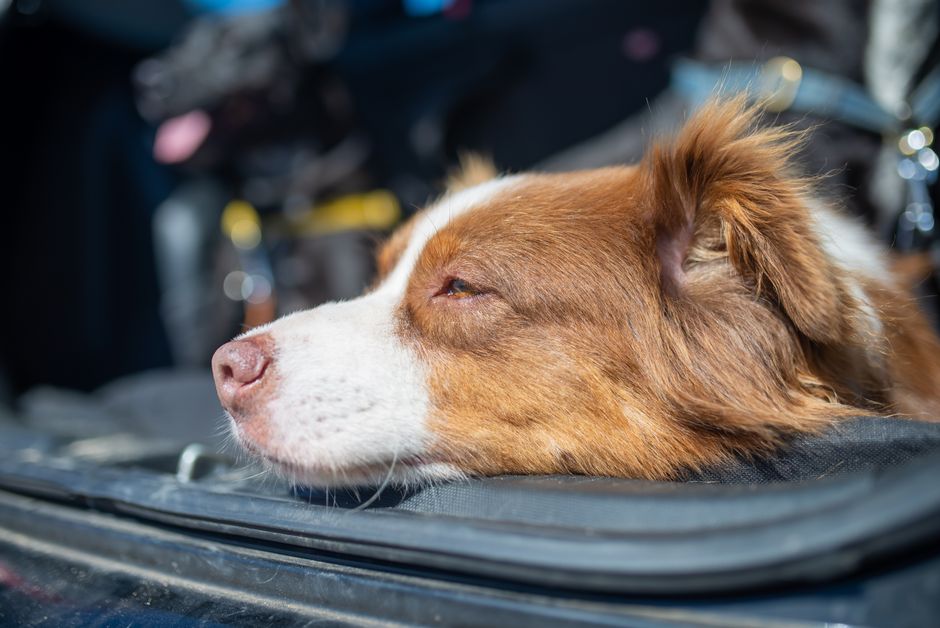
Travel Restraints and Setting Up the Cab
Loose dogs in cars are distracted, wobbly, and totally unprotected during hard stops. Unstable footing causes instant freakouts. The moment paws start slipping, adrenaline surges.
- Crash tested harness or sturdy crate: Use a solid harness clicked straight into the seatbelt system, or a secure, strapped down crate.
- Non slip seat covers: Throw a rubber backed hammock style cover across the back seat so your pup has real grip under their paws.
- Window shades and cool breezes: Simple stick on sunshades block out big semi trucks that scare dogs. Point the air vents right at your pup to keep the cabin cool and fresh.
Browsing handy tips for calming car rides dogs and checking out preventing travel anxiety tips from AKC will give you plenty of great setups for your vehicle interior.
Calming Aids, Goodies, and Vet Support
Calming aids are just helper tools to bring baseline stress down so your dog can actually learn something. They are not magic wands that erase big feelings overnight.
Everyday helpers like snug wraps, soothing pheromones, or natural chews with chamomile can help take the edge off mild jitters. For serious car panic or real tummy sickness, talk with your vet about prescription help. Medications like Cerenia stop motion sickness puking cold, while situational meds like gabapentin or trazodone help terrified dogs chill out enough to make training possible.
The Step by Step Car Anxiety Training Checklist
Solid training needs clear communication, fair boundaries, and realistic pacing. Do not rush the steps. If your dog gets overwhelmed, hit pause and meet them where they are comfortable.

Phase 1 of Your Car Anxiety Training Checklist: Driveway Hangs
Phase 1 takes place entirely with the car turned off in park. Your only job is making the parked car feel like a normal, boring, treat filled spot to hang out.
- [ ] Walk your pup on a loose leash around the parked car without asking them to climb in.
- [ ] Scatter some high value treats on the ground nearby and let your dog sniff around happily.
- [ ] Open up the car doors so it feels like an open, breezy space instead of an enclosed box.
- [ ] Feed regular meals a few feet from the open car doors, moving the bowl a bit closer each day.
- [ ] Invite your dog to pop their front paws in voluntarily. Mark the move with a quick verbal yes and pay out with tasty rewards.
- [ ] Hang out quietly inside the parked car with the doors open for two or three minutes while sharing a chew or steady treats.
Phase 2 of Your Car Anxiety Training Checklist: Engine Rumbles and Baby Rolls
Once your dog hops into a parked car without giving you side eye, you can introduce engine sounds and tiny movements.
- [ ] Buckle your dog into their safety harness or crate inside the car.
- [ ] Close the doors for thirty seconds while feeding yummy treats, then open up and hop out.
- [ ] Turn the ignition on while staying in park. Feed treats while the engine idles for a minute or two, then shut it off.
- [ ] Repeat the idling drill until your dog stops caring about dashboard beeps or engine noises.
- [ ] Shift into gear and roll smoothly down the driveway at walking speed, stopping before the road.
- [ ] Take one quick loop around the block for a minute or two, keeping your turns wide, acceleration smooth, and braking super gentle.
Phase 3: Building Ride Time with Fun Spots
Time to break the myth that getting into the car means a direct trip to the vet or groomer.
- [ ] Map out five minute cruising routes on quiet neighborhood roads.
- [ ] Drive straight to a fun hangout spot: a quiet park, an open field, or a peaceful sniff spot.
- [ ] Let your dog out for a quick five minute sniff stroll before loading back up for the short drive home.
- [ ] Slowly bump your drive times up from five minutes to ten, fifteen, and twenty minutes over a few weeks.
- [ ] Hit busier roads and highway on ramps only after your pup is totally relaxed on neighborhood streets.
- [ ] Check how fast your dog recovers after the ride. A great trip ends with your dog stepping out, doing a happy shake off, and exploring with loose body language.
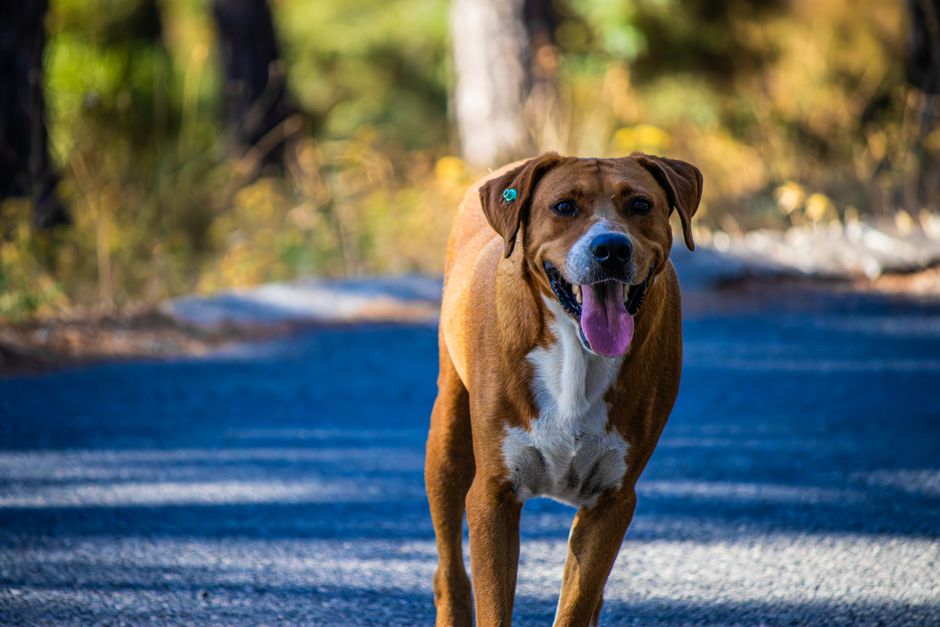
Common Roadblocks, Regression, and Training Pitfalls
Progress with car work is rarely a smooth, straight line. The classic rookie mistake is flooding: shoving a terrified dog into the back seat, driving forty minutes to a crowded trail, and hoping they magically figure it out. Flooding fries their brain, doubles their fear, and wrecks trust.
Another trap is trying to soothe panic with high pitched baby talk and smothering pets. You should never punish fear, but freaking out alongside your dog just tells them there really is something to be terrified of. Stay cool, neutral, and relaxed.
Training tools and structured management are not mean when used properly. Misuse is the real problem. Any training gear or corrections should always be used with clear, professional guidance so everything stays clear and fair. If your dog is dealing with big world fears, checking out behavior modification training or reactive dog training will help you build solid daily routines and focus before you tackle tricky travel triggers.
The Trigger Stacking Pile Up and Stress Overload
Stress builds up quietly in the background. Trainers call this trigger stacking.
Your dog might handle the engine firing up, the garage door squeaking open, and the first ten minutes of road vibration like a champ. But by minute twenty, cabin warmth, a loud Harley zooming past, and a sharp freeway turn all pile on at once. Suddenly, the dog who seemed fine starts crying, pacing, or chewing on their seatbelt.
Keep an eye out for shutting down. An anxious dog does not always throw a loud tantrum. Plenty of dogs freeze: they sit stiff as a board, turn their nose up at fresh roast beef, stare blankly ahead, and refuse to look at you. Owners love to mistake this quiet statue act for good behavior. If your dog will not eat, take a breath, or look at you, they are over their stress limit and merely surviving the ride instead of learning.
How to Reset After a Rough Ride
Bad rides happen to everyone. You might get stuck in awful traffic, get cut off by a semi, or simply ask for too much too fast.
When a bad ride happens, do not stress. Give your dog a two day break from all car practice. When you start back up, jump down the checklist by a couple of steps. If your pup melted down on a ten minute trip, go back to easy two minute engine idle hangs in the driveway. Bank some quick wins and rebuild their mojo before trying real road movement again.
Frequently Asked Questions About Dog Car Anxiety
How long does car desensitization typically take?
Most dogs with everyday travel jitters show great progress within two to six weeks of steady, daily practice. Deep seated car phobias that have been brewing for years will take more time. Real change comes down to clear expectations, solid management, repetition, and follow through.
Should I feed my dog right before a training drive?
Nope. Give your pup a light meal about three or four hours before any driving practice. An empty belly cuts down on sickness, but starving them all day can cause sour stomach acid. Keep them hungry enough to get excited about yummy treats during your driveway and neighborhood practice reps.
When is it time to call in the pros?
If your dog tries to chew out of crates, panics violently, loses control of their bladder or bowels in the car, or shows zero progress after six weeks of work, bring in a pro trainer or your vet. Serious panic calls for an evaluation to check for hidden pain, inner ear troubles, or the need for temporary calming medication.
Hit the Open Road with Confidence
Living in the Pacific Northwest means adventure is always right down the road, whether you are rolling out from Portland, Beaverton, Hillsboro, or Scappoose toward the coast or up to the mountains. You should not have to leave your buddy at home or white knuckle your steering wheel on every trip.
Raising a chill travel buddy comes down to clear communication, fair boundaries, and steady consistency. For hands on help, check out our dog trainer advice on dealing with car anxiety. We work side by side with dog owners across Oregon and Washington through private lessons dog training and in home private lessons to turn stressful car trips into calm, easy everyday habits.
If you feel stuck, annoyed, or tired of dealing with car panic all by yourself, reach out to set up a Good Dog Game Plan session. We will help you pinpoint your dog's triggers, sharpen your handling skills, and build a stress free travel routine that works.