
Tips & Tricks for Training Your Dog
Blog

5 Questions to Ask an Experienced Trainer Before Getting a Dog
If you’re thinking about getting a dog, contacting a dog trainer in Portland now might seem like putting the cart before the horse. Why would it make sense to talk to a professional trainer when you don’t even have a pet yet?
Actually, that’s the point. The decision on which dog to adopt isn’t one to be taken lightly. According to the America Veterinary Medical Association, unfulfilled expectations are one of the primary reasons people give up on pets – and a professional dog trainer in Portland can help ensure that the pooch you take home is a perfect fit for your family.
Consulting with a seasoned canine expert might just be the most important step you can take before adopting a furry friend. Below, you’ll find a checklist of questions to ask when you speak with a Portland dog trainer.
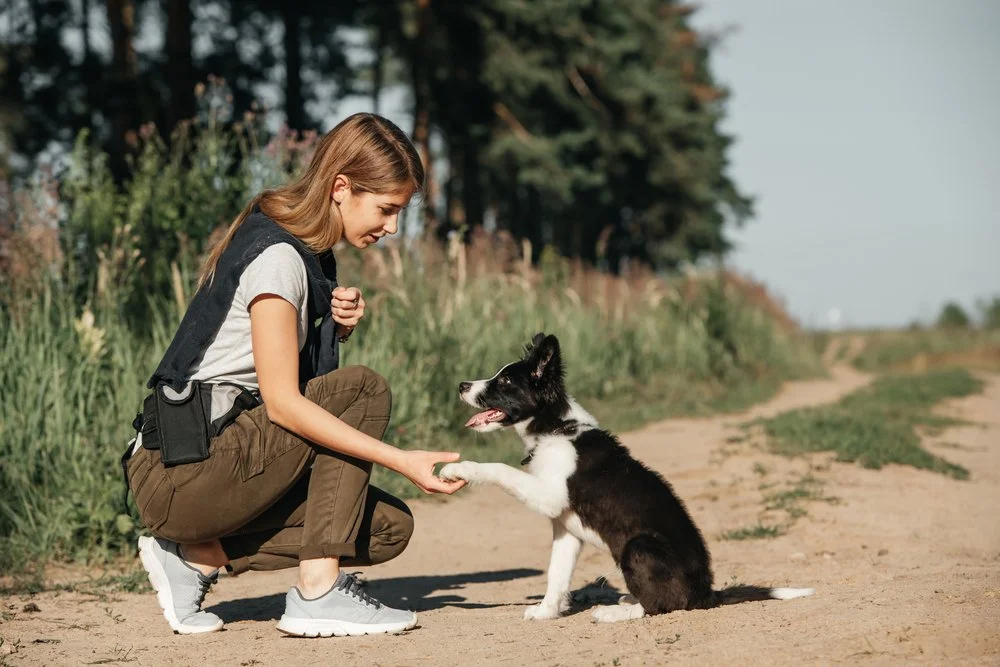
No. 1: Is Now a Good Time to Add a Dog to My Family?
You and your family may be eager to adopt a dog now, but timing is a matter that merits careful thought.
Before you bring a pooch into your Portland home, ask a professional dog trainer what to expect. Knowing how much of a difference having a four-legged friend will make in your life can help you figure out if you should go ahead and get a dog now or if waiting a little while makes more sense.
No. 2: Should We Adopt a Puppy or a Full-Grown Dog?
Your first inclination might be to adopt a puppy, but getting an adolescent or adult may be worthy of consideration.
Puppies are a great fit for some families, but little tail-waggers can be unpredictable – plus, taking care of a puppy can require a great deal of time and work. An adolescent or adult dog likely won’t need as much attention or exercise, but then again, a more mature pooch might have bad habits or be too stubborn to train.
Whatever the age of the pooch you adopt, you can count on some challenges as they adjust to their new environment. An experienced Portland dog trainer can explain what to consider and help you come to a decision on whether a puppy or a full-grown dog is a better fit for your family.
No. 3: Which Dog Breeds Best Suit Our Family’s Lifestyle?
While the manner in which a pooch is raised and trained has a major impact on their temperament, genes play a large role in shaping canine personality.
Different breeds are known for different traits – a Pekingese or English Bulldog isn’t going to be the best hiking companion, for example, and a Labrador retriever or Border collie isn’t likely to be a couch potato. An accomplished professional dog trainer in Portland will have ample experience working with terriers, hounds, sporting dogs and all other types of canines, giving them the ability to point you toward breeds that fit your family’s lifestyle.
What about mixed-breed puppies and dogs? While some canine enthusiasts prefer purebreds for their predictable qualities, others believe that mixed breeds make for better pets. The debate may never end, and both sides have compelling arguments. If you’re interested in adopting a mixed breed, we suggest asking a Portland dog trainer to evaluate their temperament. But in our opinion, with a committed owner, any pooch can become a well-behaved and much-loved family companion.
No. 4: What Do We Need to Do Before Bringing a Dog Home?
You’d be wise to get everything ready before getting a dog, as you’ll want your furry friend to have what they need to get off to a great start.
Talking to a Portland dog trainer is to your advantage. A trusted local canine expert can tell you about all of the must-have supplies and provide you with suggestions on specific products to suit your needs. You won’t waste money on the wrong food or a crate that won’t work for your furry friend – you’ll have the correct gear on hand when you bring your tail-wagger home.
An experienced dog trainer can also help you make sure that your house is safe, pointing out common pet hazards that you may not have considered. And if you haven’t already selected a local veterinarian, you can ask a professional dog trainer for a recommendation.
No. 5: What Do We Need to Know About Dog Training?
Your family will no doubt be excited when you bring a dog home, but try to curb the enthusiasm and project a demeanor of calm leadership.
Dogs thrive with a consistent routine. A professional dog trainer can help you create a daily schedule that includes meals, walks, playtime, training sessions and time for rest and relaxation. Stick to the routine, and your new pooch will have an easier time making the transition into your Portland home.
Having a clear set of household rules – and making sure that everyone in the family follows them – is also important. Dogs don’t understand the concept of “sometimes,” and any inconsistencies in how the rules are enforced is sure to result in confusion. As you might imagine, that can lead to issues with dog training.
Socialization, impulse control and bite inhibition are things you’ll need to work on during the first few weeks at home with your new pooch. A professional Portland dog trainer can offer advice on how to use positive reinforcement and a reward-based dog training approach handle these crucial matters. And, if you’re having trouble getting your new furry family member to learn, you can always arrange for in-home private lessons with a professional dog trainer or enroll your pooch in a board-and-train dog boot camp program.
Talk to an Experienced Professional Dog Trainer in Portland Today
Do you live in the northwest Oregon area? Are you planning on getting a dog soon? The professional team at Blackwood Canine is here to meet the needs of Portland pet parents, and we’d love to help you find the right furry friend to add to your family.
For more information on our services, or to schedule a consultation with a friendly, knowledgeable and highly skilled Portland dog trainer, contact Blackwood Canine today.

Does Your Pup Eat Too Fast? Puppy Training Methods for Speed Eaters
The second you set down the bowl, your pup devours all the food. You’ve got a speed eater – and while gobbling up meals in the blink of an eye isn’t always a concern, puppy training might be necessary.
Eating too quickly can result in a host of issues, from gagging and vomiting to bloat, a serious and potentially deadly condition. The Portland puppy training professionals at Blackwood Canine can help prevent these health problems and keep your furry friend happy at mealtime. Here, we share puppy training techniques that can work to help speed eaters slow down.

Why Do Dogs Gulp Down Their Food?
Some dogs take time to carefully chew and enjoy each morsel, while others make short work of meals, inhaling the food so quickly that it makes you wonder if they even chewed a single bite. Why is this?
Eating too quickly usually has nothing to do with how much a dog likes their food. If your pup is a speed eater, one of the following is likely the reason:
They had to compete for food with their litter mates
They instinctually feel as if they have to eat fast
They wolf down food to keep your other pets from taking it all
They aren’t getting the proper nutrition, so they feel extra hungry
An underlying health condition, such as diabetes or Cushing’s syndrome, could also be affecting your dog’s metabolism and making them ravenous. A parasite or worms could also be to blame. If the reason your pup devours their meals isn’t clear, you may want to consult with a local veterinarian.
In any case, you’ll want to address the speed eating as soon as possible to keep the issue from causing health problems. To do so, Portland puppy training professionals suggest trying these techniques.
Use a Slow-Feeder Dog Bowl
Purchasing a special feeder could be an effective solution. Slow-feed bowls feature a raised ring in the center, which your pup will have to work around to get to their food. The gap isn’t very large, so they’ll be forced to eat at a slower pace.
Try Hand-Feeding Your Puppy
Why not turn puppy training sessions into mealtimes? Use your dog’s regular food as a reward when working on skills, offering a bit at a time. The hand-feeding approach makes meals safer, and offering food rewards can help you achieve results.
Offer Smaller, More Frequent Meals
Another puppy training tip for a speed eater is to break down their meals into a few parts. Offer a small portion at first, and follow up with more a little bit later. Your pooch will learn that more food is coming soon, which can help them stop eating too fast.
Fill Interactive Toys with Food
You can find puzzle games and toys that double as slow-feeders. Puppy training professions recommend putting your pup’s meals in a fun, interactive toy – they’ll be entertained and they’ll be eating their food much more slowly.
Put Meals on a Snuffle Feeding Mat
Snuffle mats are designed to encourage natural forging skills in dogs, with dozens of fabric strips that hide food. Your puppy will have to use their nose to find each bite, which ensures that they can’t wolf it all down too quickly.
Get Expert Help with Puppy Training
If you’ve tried all the strategies listed above and your puppy is still swallowing their food in a flash, working with a professional dog trainer may be your best bet. But be sure to look for someone who has experience dealing with this particular behavioral issue.
Blackwood Canine is Here to Help
Do you live in Portland or the nearby northwestern Oregon area? The puppy training professionals at Blackwood Canine can help your speed eater slow down.
We’re passionate about puppy training, and we’ve been working with pet parents for more than a decade. Our professional dog trainers have experience with all breeds of puppies and dogs, and we know how to help canines that are aggressive, fearful or have severe anxiety.
At Blackwood Canine, we use evidence-based puppy training techniques, and we also take great care to make learning fun. By employing a balanced approach, with clear communication and positive reinforcement, our professional dog trainers achieve results. We offer several puppy training solutions, including:
Puppy Jump Start – a 3-week training program for pups as young as 8 weeks
In-Home Training – one-on-one lessons with a professional trainer at your home
In-Facility Training – private sessions at our dog training facility in Scappoose
We also offer a number of dog boot programs -- including a 4- to 6-week immersion program, a 6- to 8-week behavior modification program and an 8- to 10-week advanced re-conditioning program – all of which include follow-up private dog training lessons to help Portland area pet parents achieve results at home. Contact us for a professional evaluation, and we’ll point you toward the right puppy training solution for your little fur baby.
Blackwood Canine is here to provide the help you need to make your pup a slower eater. For more information on our dog training services, or to speak with one of our Portland puppy training professionals, contact our Oregon office today.

5 Good Reasons to Consider a Portland Dog Board-and-Train Program
Is enrolling your furry friend in a dog board-and-train program a smart decision? For many Portland pet parents, the answer is yes. Here’s why.
Is enrolling your furry friend in a dog board-and-train program a smart decision? For many Portland pet parents, the answer is yes.
Also known as dog boot camp or immersion training, dog board-and-train services can provide immense value in in regards to changing and shaping canine behavior. After spending a few weeks in the care of professional dog trainers, your fur baby can come home with the knowledge and skills they need to be a happy, well-adjusted member of the family.
Below, you’ll find five good reasons why you may want to send your dog to boot camp along with advice on how to make sure the Portland dog board-and-train program you choose is right for you and your pooch.

No. 1: You Want a Well-Trained Dog
While at dog boot camp, your tail-wagger will work with the professional trainer several times a day. These programs are typically customized, and training will geared toward meeting your particular needs. From basic commands, manners and general obedience to potty training, leash walking and more, your pooch can learn a great deal. And with the right Portland dog board-and-train program, you’ll know how to put their new skills into practice at home.
No 2: Your Pooch Has Bad Habits
Chewing on the couch cushions, begging at the table, jumping up on people, grabbing food from the counter, barking at the slightest sound – bad canine habits like these can be difficult for Portland pet parents to break. Experienced professional dog trainers have tricks and techniques that can work to address destructive and annoying habits. When your fur baby comes home from boot camp, the bad habits they previously had will no longer be a problem.
No 3: Your Dog Has Behavior Issues
If your furry friend is anxious or insecure, a dog board-and-train program can help build their confidence. Boot camp can also be a good option for an aggressive dog or a pooch with phobias like a fear of strangers or fear of thunder. Seasoned professional dog trainers understand how to get to the root of the problem and how to curb unwanted behaviors – and after completing immersion training, your tail-wagger will be a well-behaved family companion.
No 4: You Have a Busy Schedule
Are you always on the go? If you don’t have much free time, a dog board-and-train program can be the ideal solution. Simply drop your pooch off at the training facility and let them learn from professional dog trainers for four to ten weeks. When boot camp ends, your fur baby will be transformed into a well-behaved family pet. They’ll be much happier because they won’t be getting into trouble all the time – and you’ll love living with a pooch that is no longer a source of frustration.
No 5: You’d Like Advanced Dog Training
Any canine can become a certified therapy dog with the right training, and a boot camp program can be the best way to teach your furry friend the required skills. The same is true for other types of specialty training, as an immersive approach works to help dogs lean the key skills needed for performance sports, agility competitions, obedience trials, dog shows and more. If you’re interested in any sort of advanced training, you’ll want to consider a Portland board-and-train program.
What to Look for in a Portland Dog Board-and-Train Program
If you decide to go with a boot camp program, you won’t be there when the professional dog trainers are working with your pooch. You have to trust them to treat your fur baby well – and that means you need to do your due diligence and look for a reputable training facility. To evaluate the suitability of a Portland dog board-and-train program, look for the following:
Expertise – Some professional trainers learn their skills through apprenticeships and years of experience. Others seek out certifications and continuing education. Both routes are acceptable; the point is to make sure the dog board-and-train facility you choose has trainers who are qualified to help your furry friend.
Approach – The methods used at a training facility can make a major difference in the results. To find a Portland dog boot camp where your tail-wagger can achieve your goals, look for professional dog trainers who use a balanced approach, one based on positive reinforcement and clear communication.
Environment – You’ll want your beloved pooch to be comfortable and safe while they’re getting trained. To that end, make arrangements to check out the dog board-and-train facility. As you take a tour, inspect the sleeping and training areas to ensure they’re up to standard on sanitation, security and comfort.
Don’t be afraid to ask for references from former clients – and follow up by contacting those clients to get their opinion on the dog board-and-train program. Talk to a few people, and you’ll have a much better idea of whether you can trust the professional dog trainers.
Also, be wary of any dog training facility that offers guaranteed results. When dealing with canines, there’s no way to guarantee good behavior – training isn’t like programming a robot. Experienced professional trainers can teach dogs to readily behave and comply with commands, but no one can ethically say that their training programs get results all of the time.
If you’re interested in immersion training and you live in Portland or the surrounding northwest Oregon area, reach out to Blackwood Canine. Our professional trainers have been working with dogs for over a decade, and we know how to train puppies and adult tail-waggers of all breeds and temperaments.
To learn about our training methods and our dog board-and-programs for Portland pet parents, contact Blackwood Canine online or give our office a call today.
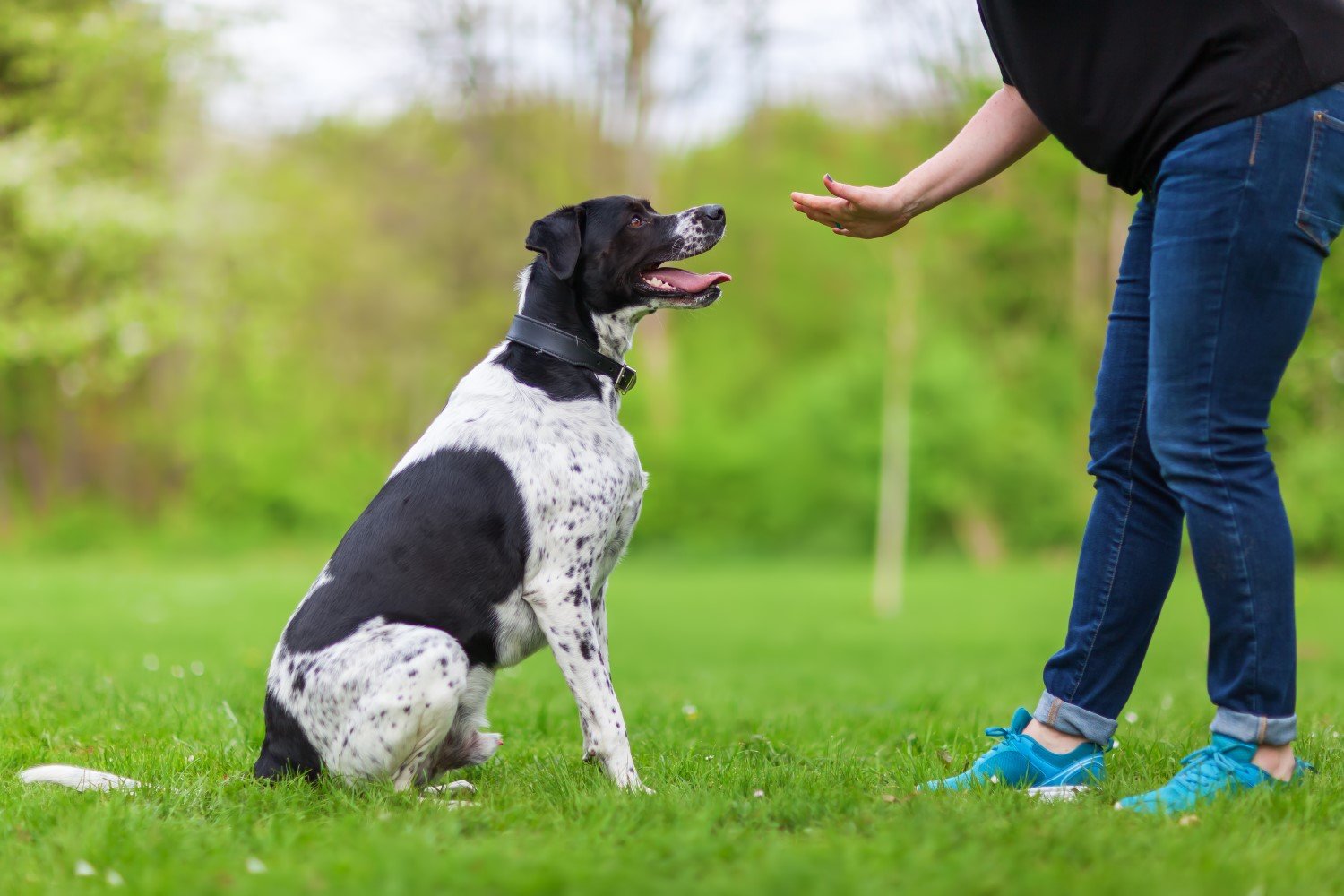
Dog Obedience: Teaching Your Dog Not to Jump Up on People
Dog obedience training is an important part of pet ownership, and your pooch needs to learn to stop jumping up on people. Here’s how to make that happen.
Dog obedience training is an important part of pet ownership, and one lesson your pet needs to learn is how to greet people properly. That means NOT jumping up on people, as you don’t want anyone to get scratched, bruised, or knocked down. And beyond the potential hazards, getting pummeled by an overly excited pooch can be frightening, particularly for people who aren’t all that comfortable around dogs.
If your dog jumps up on everyone who walks in your home, you’ll want to find a way to keep that from happening. Below, the dog obedience training experts at Blackwood Canine offer advice on how to teach your pooch to greet people politely.

Be Ready for Dog Obedience Training
First off, you need to take control of the environment. Every time your dog succeeds in jumping up to greet you or anyone else, the behavior becomes more of a habit. So, the key is to stop your pet from wanting to jump up.
How do you do that? Decide what you want your pooch to do instead – such as sitting or standing with all four paws on the ground – and have treats on hand to provide a reward for proper behavior. To make sure that you can always grab a few treats before you go inside to greet your dog, you may want to keep a supply in your car, place a treat jar on your porch and stash some in the garage.
Once you have tasty rewards at the ready, use dog gates to block off the front door or any other entryway to your Portland home where jumping happens. This will stop your pooch from pouncing on you when you come in and set the stage for success with dog obedience training.
How to Stop Your Dog from Jumping Up
Teaching your dog to greet people without jumping up takes patience and persistence. According to dog obedience training experts, it’s a good idea to start working on the behavior problem when your tail-wagger is calm – not when they’re geared to pounce. When the time is right, here’s what you can do.
Withhold Your Attention
The first step to stopping your dog from jumping up on people involves taking away something they want – your attention. To do this, turn your back as soon as they leap and don’t make a sound. If your pooch circles around and jumps again, turn to face the other way. Repeat this action until they calm down, then offer a greeting.
Reward Good Behavior
As you move the gate and greet your pet, toss a few treats on the floor nearby. Don’t hold out the treats in your hand, as that can backfire and lead your dog to jumping up for more. Offer praise if they remain seated or keep all four paws on the floor, but keep it low-key – too much attention and praise may spark another round of jumping.
Practice Greeting Others
When your pooch is ready, ask a friend or neighbor to stop by for a dog obedience training session. Make sure your tail-wagger is next to you when they enter the room, and if they stay in place instead of jumping up, your helper can greet them and offer a reward. If your dog jumps, your helper should turn and walk away.
As you continue to practice, your dog should get better at greeting people – but obedience training is no easy task. Being consistent with your efforts is crucial, and if even one member of your family allows the jumping to continue, you may have trouble curbing the problem. To avoid issues with obedience training, make sure everyone is on the same page before you begin.
How Blackwood Canine Can Help
If you’re dealing with a dog who has a bad habit of jumping up on people, you don’t have to go it alone. Dog obedience training is far easier with professional help, and you can always call on the expert team at Blackwood Canine.
Every dog is unique, and there’s no one-size-fits-all solution to canine behavior problems. The obedience training approach outlined above may not be quite right for you and your pooch – and our professional dog trainers can find a way to teach your pup how to politely greet people.
Blackwood Canine offers a range of dog obedience training options for Portland pet parents. Our puppy jump-start program helps instill proper behavior at the start, and adult dogs can benefit from our private obedience training lessons, held in-home or at our state-of-the-art training facility in Scappoose. And for dogs in need of extra time and attention, we offer board-and-train boot camp programs.
Correcting canine behavior is our specialty, and we use positive reinforcement and rewards-based methods to help dogs of all ages, breeds and temperaments learn how to behave. If you’re struggling to train your pet not to jump up on people when they enter your Portland home, our experienced professional dog trainers can get them on the right track. For details on our dog obedience training programs, or to schedule a consultation with Blackwood Canine, give us a call or fill out our online contact form today.

Dog Training Methods: Positive Reinforcement vs. Dominance Training
Wondering how dog training works?
Most professional dog trainers in Portland and elsewhere in the country have shifted to positive reinforcement and reward-based techniques. However, some take the alpha-dog approach, using training methods to establish dominance and attain the status of pack leader.
As a pet parent, you’ll have to decide which dog training method is best for your furry friend. Here, the Blackwood Canine team shares the information you need to make the right choice.

How Dogs Learn
Canine behaviorists have studied the science of how dogs learn, and the answer lies in two processes – classical conditioning and operant conditioning.
Classical conditioning involves learning by association, and this form of dog training happens involuntarily. Over time, our four-legged friends learn to react in a specific manner when presented with a signal or stimulus. So, for example, when your pooch gets excited when you pick up their leash or starts barking when they hear the doorbell, those are behaviors they learned through classical conditioning.
Operant conditioning is a bit more complicated, as it requires control of the learning environment. The process revolves around the use of rewards and punishments to help dogs understand that actions have consequences. Simply put, operant conditioning works by either adding or taking away something a dog sees as pleasant, such as a treat or a toy, or by adding or taking away an aversive stimulus, like pressure from a choke chain.
All professional trainers use operant conditioning techniques, but positive reinforcement dog training and dominance training rely on different approaches.
How Positive Reinforcement Training Works
Many dog trainers in Portland focus on the use of positive reinforcement. When a pooch acts in the desired manner – sitting when asked, for example – the trainer offers a reward, typically praise or a tasty treat.
Positive reinforcement is an effective form of operant conditioning, and the dog training method is recommended by canine experts. However, as the approach ignores unwanted behaviors, it’s generally agreed that positive reinforcement should be used in conjunction with negative punishment.
Though it may sound otherwise, negative punishment doesn’t involve reprimands or violent actions. Instead, dog trainers take away something desirable – which our four-legged friends see as being both a negative and a punishment. Examples include turning around when a pooch jumps up and walking away from a nipping puppy. Dogs want attention, and taking it away discourages unwanted behaviors.
The Alpha-Dog or Dominance Training Approach
Dominance dog training was the norm several decades ago, and the concept is largely based on perceptions of pack behavior in wolves. Trainers who use this approach aim to make sure dogs understand that a human is the “alpha” or pack leader.
With dominance training, the focus is on positive punishment – and here, the term “positive” indicates that something is being added, not that the punishment is favorable. In fact, the opposite is true. The operant conditioning method involves introducing an undesirable element when a dog misbehaves. That may be a swat on the rump, a shock from an electronic collar, or placing the pooch in a submissive position, to name a few examples.
The use of dominance training has fallen out of favor, as positive punishment can instill fear, anxiety, aggression, and mistrust in a dog. Training in this manner can also damage the bond between a pooch and their pet parent. For these reasons, many canine experts consider the method to be antiquated.
Choosing the Right Professional Dog Trainer
Positive reinforcement and reward-based dog training techniques are based on the science of learning, and canine experts advise pet parents to seek out a professional trainer who uses these methods.
However, the dog training industry is unregulated – anyone can set up a business and charge for their services. With that in mind, you’d be wise not to simply choose the closest training school. Do a little research, and you’ll be able to find the right fit for you and your furry friend.
What should you look for in a professional dog trainer? We recommend that you consider the following:
Training credentials – Whether it’s an apprenticeship and years of experience or an academic route, find out how a trainer learned their skills.
Training philosophy – Make sure you’re comfortable with the approach a trainer uses in teaching new skills and correcting behaviors.
Training services – You may prefer private dog training or a board-and-train boot camp program, and not all trainers offer the same services.
Trainer personality – Your dog trainer will be teaching both you and your pooch, and you need to feel comfortable as their student.
If you’re looking for professional dog training in Portland, you could ask your veterinarian, a family member or a trusted neighbor for a recommendation. Or, you could turn to the Blackwood Canine team.
We’ve been helping pet parents in and around Portland, Oregon, for more than ten years, and we work with canines of all ages, breeds and dispositions. Our dedicated dog trainers use positive reinforcement and reward-based training methods to shape behavior, and we’re ready to meet your needs.
We also have made available some of our favorite dog training tools and accessories, including leather leashes, dog training collars and training accessories.
For more information on our services and why we’re the preferred choice for dog training in Portland, contact Blackwood Canine today.

Bringing Home a Puppy? Training Tips for New Portland Pet Parents
You’re planning to bring a new puppy into your Portland home, and you’re hoping to get a jump on puppy training. To set yourself up for success, you’ll need to be prepared -- but being new to pet parenthood, you’re not quite sure what to do.
As luck would have it, you came to the right place. At Blackwood Canine, our puppy training experts believe it’s only natural for new pet parents to need a little guidance, and we’re happy to help make sure that you and your little tail-wagger are on the path to a bright future together. Below, you’ll find our best tips on how to plan for the day your young pup comes home along with advice that can help make puppy training easier.

Make Sure Your Home is Ready
Before your new furry friend first sets paw in your Portland home, you’ll need to make a few preparations. You can expect your young pup to get into everything – even things they shouldn’t – and for their protection, puppy-proofing is essential.
To get your home ready, our puppy training experts recommend choosing an area where your new dog can’t get into any mischief. Use dog gates to block off the space, and be sure to remove any potential safety hazards. The easiest way to accomplish this is to down on the floor at your pup’s eye level and look around. If you see anything that could be a danger, such as an exposed electrical cord or toxic plant, move it out of reach. Do the same for anything else you don’t want your tail-wagger to chew on.
Get the Essential Supplies
After you puppy-proof your Portland home, your next step is to pick up the necessary gear to keep your furry friend healthy, happy, and comfortable. The puppy training experts at Blackwood Canine suggest purchasing the following:
Dog crate – Housebreaking isn’t easy, but crate training can help your young pup learn the rules. A crate can also help them feel comfortable in your home, setting the stage for success with puppy training.
Dog bed – Speaking of comfort, your little tail-wagger deserves to have a cozy place to take a snooze. To that end, shop around for a plush dog bed that can easily fit inside the crate.
Dog food – You’ll need food and water bowls, of course, as well as food specifically formulated for young dogs. If you’re not sure which type of food is best, ask a puppy training expert.
Walking gear – When you’re ready to take your furry friend on a walk, you’ll need the right supplies. A dog collar and training leash are must-haves, and you might want to pick up some poop bags and a poop bag holder.
Training gear – Rewards help dogs learn, so pick up some treats designed for puppy training and a pouch to keep them in. You may want a clicker, too, as a click followed by a tasty treat is a good way to teach your young pup new skills.
Provide Plenty of Exercise
When you welcome your new puppy into your Portland home, you’ll want to instill good habits and help them learn how to behave early on. Keeping their developmental needs in mind is important, and puppies need plenty of regular exercise to grow into strong and healthy adult dogs. Therefore, our puppy training experts tell new pet parents to provide lots of opportunities for movement and play.
Taking walks is a good idea, and your furry friend is sure to enjoy exploring the neighborhood. Remember, though, that they may not have all that much stamina, so start with short walks and ease into longer treks. As for playtime, try tug-of-war with a rope toy, a game of fetch, or letting your puppy splash around in a kiddie pool.
Work on Socializing Your Pup
According to our puppy training experts, socialization – or the process of introducing new experiences and situations in a safe, positive manner -- is one of the most critical steps in a young dog’s development. By properly socializing your young pup, you stand a good chance of avoiding behavior problems and puppy training issues as they grow older.
To safely socialize your young pup, try these ideas:
Expose them to grass, concrete, gravel, and a variety of other surfaces
Play recordings of loud sounds, like fireworks, sirens, and thunder
Introduce new situations, like bouncing a balloon around or blowing bubbles
Visiting a lake or river and letting your pup observe and explore the area
Setting up a puppy play date with a friend who has a well-behaved dog
Be Patient and Positive
When you get a puppy, it may take some time for them to adjust to their new surroundings. Some puppies need just a few days or weeks to settle in and get comfortable, but for others, the adjustment takes longer – and knowing this, you can understand the importance of patience when it comes to puppy training.
The use of positive reinforcement and reward-based puppy training can also help your furry friend become accustomed to you and your home. Offer praise and treats when they respond correctly to a command or act in the desired manner. And when they do something you don’t like, such as jumping up on your legs or nipping at your toes, turn the other way or take away something that your tail-wagger finds desirable. With this puppy training approach, your new dog will have an easier time learning how to behave.
Talk to a Puppy Trainer
If you want your young pup to grow up to become a happy, well-behaved, and well-adjusted adult dog, you may need to find a qualified local puppy trainer. Scheduling private training sessions or enrolling in a puppy jump-start program can ensure that your new furry friend learns the basics, and the fun experience can also help foster a lifelong love of learning. For top-notch puppy training in Portland or elsewhere in northwestern Oregon, pet parents trust Blackwood Canine.
We’ve been training puppies and adult dogs for more than ten years, and our professional team knows how to achieve results. For more information on our services and our approach to puppy training, or to speak with a Portland puppy trainer, contact Blackwood Canine today.

3 Things You Can Do To Have A Well Mannered Puppy
3 simple things you can do to make sure your puppy is well behaved.
Here’s 3 things you can do to get your puppy jump started on the right foot. This will help with proper socializing, Housebreaking, and overall puppy training.
For more dog training tips, advice and gear reviews, click the button below and subscribe to our YouTube channel.
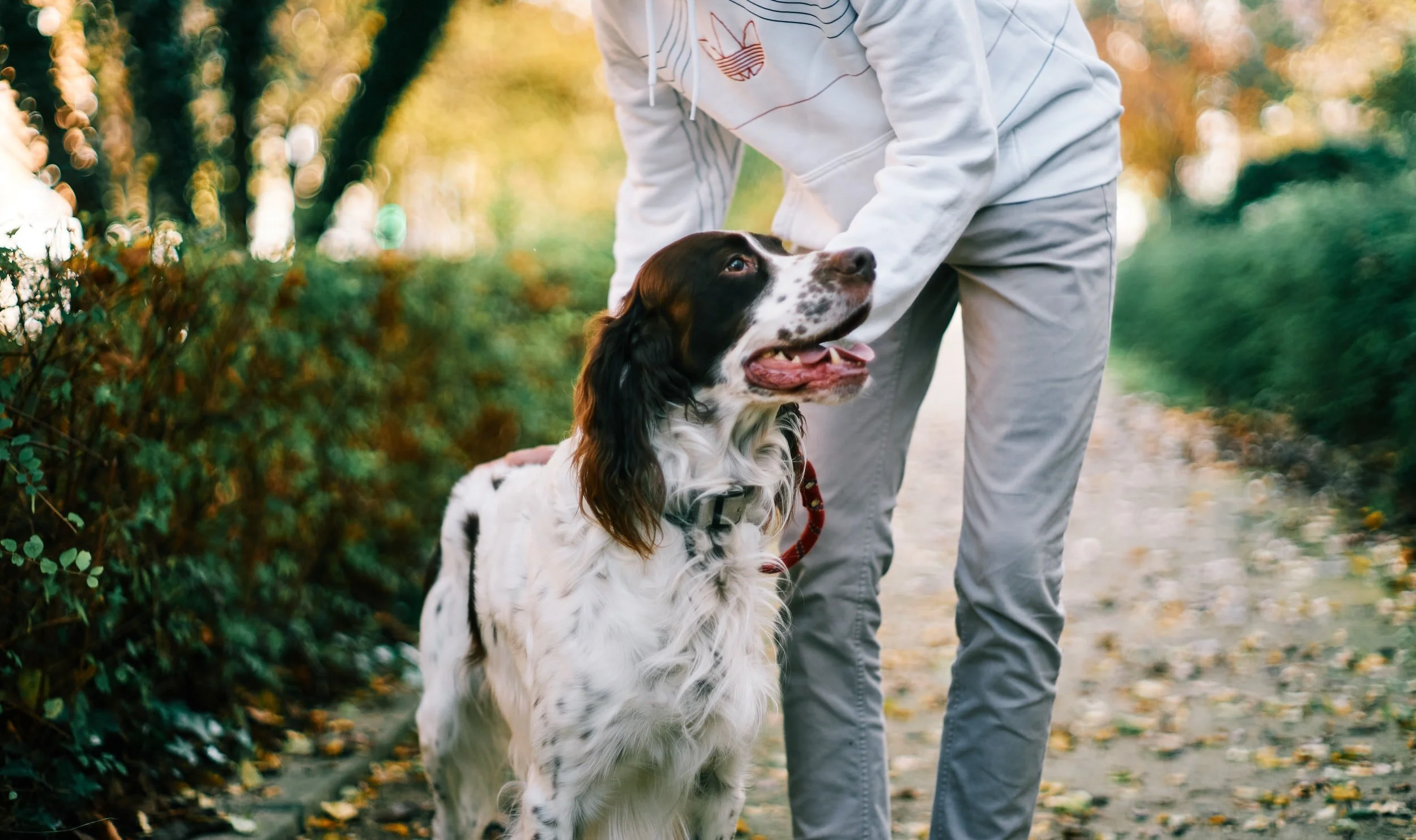
Top 6 Benefits of Private Dog Training Lessons
When it comes to teaching your four-legged friend, private dog training lessons aren’t your only option. Some people in the Portland area attempt to train their own pets, and others enroll their dogs in group classes or a board-and-train boot camp program. There’s no wrong choice – it really comes down to what works for you and your family.
That being said, private dog training lessons, led by an experienced professional trainer, can be the best way to get the results you want. Below, the Blackwood Canine team explains the many reasons to consider private lessons for your beloved pooch.

No. 1: Custom Training Plan
Every dog has unique training needs, and as a pet owner, you may have goals for your furry friend. A professional trainer can effectively address both through private lessons, developing a personalized training plan to cover the particular skills and behaviors your tail-wagger needs to learn.
No. 2: No Predefined Pace
Just like people, some dogs are fast learners and some need a little more time to master new skills. Private training lessons can proceed at your pooch’s pace, with the professional dog trainer making sure that they get the hang of one skill before moving on to teach another.
No. 3: Individualized Attention
Choose private dog training, and your pet will have the full attention of a professional trainer. They’ll be completely focused on your four-legged friend and their specific areas of need – and that means private lessons are one of the most time-efficient and effective dog training methods.
No. 4: Minimal Distractions
Our furry friends can be easily distracted, and when other dogs and people are around, your pooch may have difficulty concentrating on training. Private lessons involve only the distractions intentionally introduced by the professional dog trainer, which facilitates comprehension of the skills being taught.
No. 5: Flexible Scheduling
Go with private dog training, and you won’t have to worry about rearranging your schedule. Simply tell your professional dog trainer what days and times work for you, and the two of you can come up with a timetable for training. Many Portland pet owners prefer weekly lessons, but the decision is yours.
No. 6: Choice of Location
Private training lessons can take place at your Portland home, the main place where your tail-wagger will be putting their new skills into practice. Or, if you prefer, you can ask the professional trainer to hold lessons elsewhere, such as the neighborhood dog park. In any case, you’ll be in control of the environment.
Alternatives to Private Dog Training
Now that you understand the many benefits of private dog training, you might like to take a brief look at your other options.
Tackling the dog training on your own is one approach, and you can’t beat the cost. But you’ll need to learn how – and getting results may not be all that easy. Moreover, if you go this route, be prepared to invest a great deal of time.
Group classes at a local pet store are another option, but your pooch won’t get customized dog training or one-on-one time with the professional trainer. And, the available class times may not match up with your schedule.
You could also choose a Portland board-and-train dog boot camp program. Having your furry friend stay with a professional dog trainer for several weeks may be ideal if you’re too busy for private training lessons.
Should You Arrange for Private Dog Training?
Private lessons can be an incredibly effective and efficient approach to teaching your dog new skills and helping them overcome bad habits. When you consider all of the benefits, it’s easy to see why many Portland pet owners take this approach. You may want to do the same, especially if any of the following are true:
Your dog is extremely anxious or shy, making it difficult for them to learn new skills in a group setting
Your furry friend has mastered the basics and you’d like to move forward with advanced dog training
You need a professional trainer to help resolve behavioral challenges, such as aggression or separation anxiety
However, as with most things in life, private dog training lessons have both pros and cons. The cost is one potential drawback, as it tends to be higher than that for group classes. Another downside may be the lack of interaction with other dogs – but as we mentioned, lessons can be held at a local park or at a dog training facility, so your tail-wagger can get opportunities to socialize.
Taking everything into account, private training lessons may be the best solution. But before making that decision, we suggest scheduling an evaluation with an experienced professional trainer – like the team at Blackwood Canine.
Our professional dog trainers want to get to know you and your pet, and before recommending a training approach, we need to understand your training goals and needs. Plus, you likely have questions, and during our consultation, you’ll get answers, along with expert advice tailored to your specific situation. To learn more about what Blackwood Canine has to offer Portland pet parents, or to discuss the benefits of our private dog training lessons, contact us online or give our office a call today.
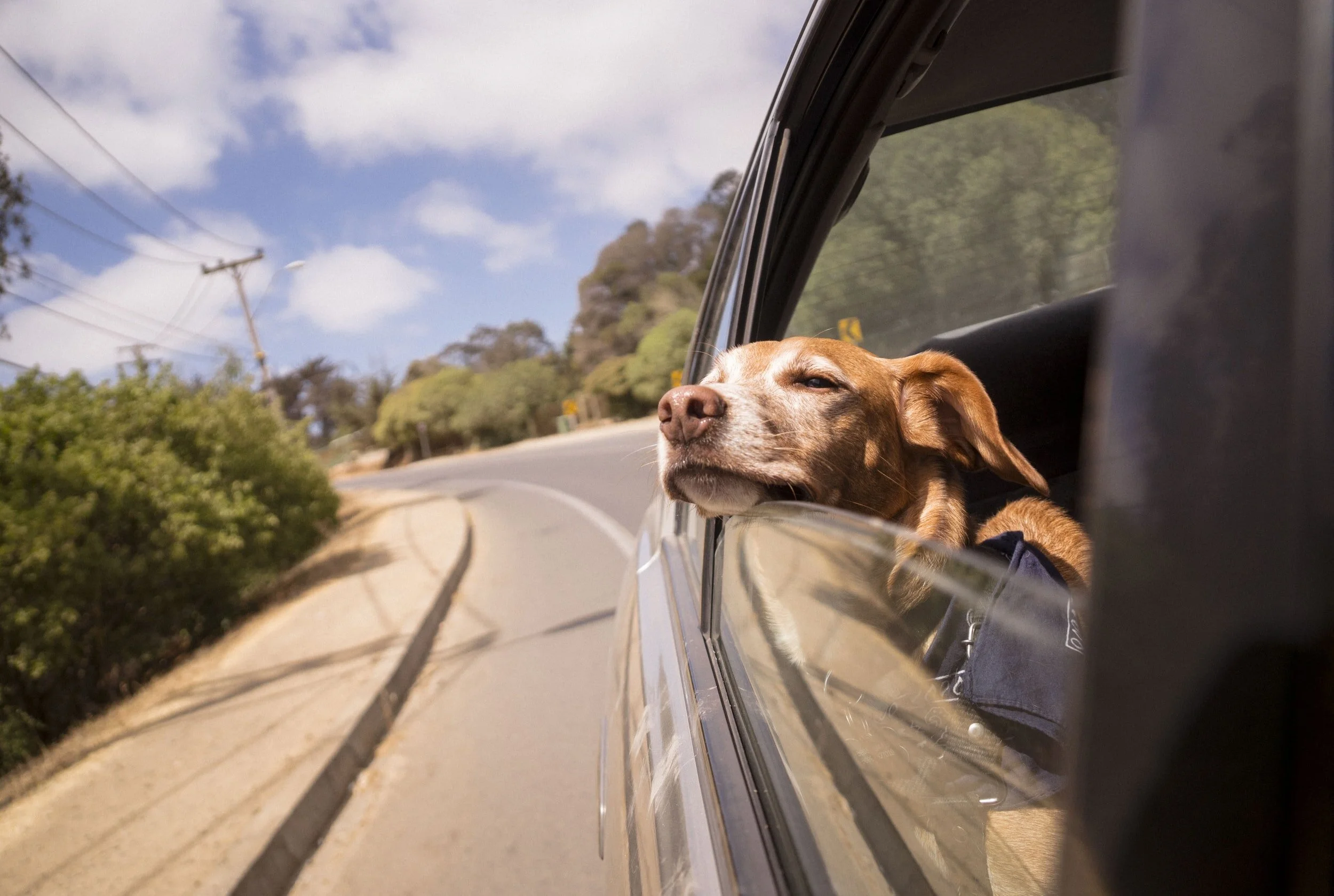
Dog Trainer Advice on Dealing with Car Anxiety
Driving around Portland, you’ve no doubt noticed many dogs are happy to take car rides – but your tail-wagger is always reluctant to hit the road. Overcoming car anxiety is essential, and the professional dog trainers at Blackwood Canine can help.
You may want your beloved canine companion along when you’re running errands or traveling, but that’s not an option if they whine, shake, whimper or refuse to get in the car. And while anxious dogs can often be left at home, there are certain places – such as the veterinarian’s office, the groomer’s or a Portland dog training facility – that require a road trip.
Fortunately, you can make riding in the car less stressful for your pooch. And, you may even be able to help your furry friend come to enjoy going for a drive. Here, our experienced dog trainers offer advice on how to address car anxiety.

Is Motion Sickness the Problem?
Just like people, dogs can suffer from motion sickness when they ride in a car – and if your pooch gets nauseous during road trips, their reluctance to travel is completely understandable.
Not every dog vomits when they get car sick, so you’ll need to watch for other signs that your tail-wagger is feeling nauseated. Any of the following reactions may indicate motion sickness is an issue:
· Excessive drooling
· Lip smacking
· Heavy panting
· Repeated yawning
· Restless pacing
· Shaking and shivering
If you suspect that your fur baby is getting car sick, there are a few strategies you can try to quell nausea. Experienced dog trainers suggest:
Limiting food and water intake before taking your pooch on a trip
Using a doggie seatbelt to keep them facing toward the front of the car
Lowering the windows a few inches to allow fresh air to circulate
Asking your veterinarian to recommend an anti-nausea medication
Motion sickness is incredibly unpleasant, so it’s unlikely that you’ll be able to make your pooch comfortable with car rides until you find a way to keep nausea at bay. Once you do, you can begin taking steps to resolve your dog’s anxiety.
Help Your Dog Feel Safe in the Car
For your fur baby to enjoy taking a ride around Portland, they’ll need to feel safe in the car.
Professional dog trainers recommend creating a cozy nesting area, using a doggie car seat or crate with a cushioned liner to keep your pooch comfortable and ensure that they feel secure. If you opt for a crate, you may need to place rolled towels underneath to make the surface level. And if your dog has a favorite comfort item, like a stuffed toy or blanket, bringing it on car rides may help.
Create a Positive Association with the Car
Does your tail-wagger get anxious when you simply pick up your car keys? They may find the vehicle to be a scary place, and you’ll need to turn that around.
To help your dog overcome this fear, experienced dog trainers say to begin by offering a small, high-value treat for approaching the car. Then, place your pooch inside and encourage them to roam around. Give another reward, and once they appear to be more comfortable, start the car and offer a treat. If they’re able to stay calm, turn off the engine, secure your fur baby in their special spot, and dish out another treat. When you think your dog is relaxed, try taking a drive around the block.
Make Car Rides End at a Fun Destination
For many dogs, car anxiety is the result of a previous negative experience – and if that’s the case for your fur baby, you’ll need to erase their fear of the destination.
Only riding in the car when it’s time for a vet visit or a trip to the groomer’s could make your pooch understandably wary of taking a drive. To alleviate their anxiety, professional dog trainers suggest taking short car rides to fun places. If the majority of your road trips end at a local park, Portland hiking trail or somewhere else your tail-wagger wants to be, their car anxiety should soon become a thing of the past.
Get Help From an Experienced Dog Trainer
Teaching your furry friend to tolerate or, preferably, to enjoy car rides can be challenging. When not addressed early on, canine car anxiety can escalate – and you may need the help of an experienced dog trainer to overcome the problem.
At Blackwood Canine, our puppy jump start program, private dog training lessons, and board-and-train programs are designed to address a range of behavioral issues. Our professional dog trainers have the skill, knowledge, and expertise to identify the root cause of canine car anxiety and teach your pooch to be more comfortable on road trips.
The dedicated dog trainers at Blackwood Canine have been helping pet parents for over a decade, and we’re proud that our positive, reward-based approach has led local veterinarians, rescues, shelters, and breeders to recommend our dog training services. We work with tail-waggers of all ages, breeds, and temperaments – and our highly experienced dog trainers know how to achieve positive outcomes when dealing with behavioral issues.
For more information on Blackwood Canine and our dog training services for pet parents in Portland, Oregon – or to schedule an evaluation to discuss your fur baby’s car anxiety with our professional dog trainers – contact us today.

Is Your Pup a Nipper? Try These Puppy Trainer Tips to Stop Biting
Ask any puppy trainer in Portland, and they’ll tell you that biting is one of the top issues pet parents have with young pups. Our fur babies can do serious damage with their needle teeth – and for nippers, no one is off limits.
If you want to teach your new four-legged family member not to bite people, a professional puppy trainer can help you accomplish that goal. A number of techniques may be effective – but keep in mind, certain methods can rile up excitable puppies, making them nip even more.
Below, the Blackwood Canine team covers the different ways to stop biting. See which one works for your little nipper – and if you struggle to find a solution, you can always turn to a Portland puppy trainer.
Nipping is Normal for Puppies

First of all, we’d like to explain why younger puppies bite. As professional puppy trainers, we know it’s not a sign of aggression, which is a common worry among new pet parents. Nor does nipping indicate that a pup wants to hurt someone – it just ends up hurting, thanks to their razor sharp teeth.
If your pup is a nipper, the behavior may be happening for one of these reasons:
Your fur baby is teething and feeling the pain
Boredom is leading your pup to bite for attention
Rough play or corrections have reinforced the behavior
In many cases, however, problem puppy biting is simply a misguided attempt at playing. Our young furry friends are used to mouthing and biting their fellow litter pups when they’re feeling playful, and the instinctive behavior doesn’t go away when they’re adopted.
As you can see, nipping is normal – but you’ll want to stop the behavior as soon as possible, long before your puppy grows to be a fully grown dog and becomes capable of inflicting serious harm. To do so, puppy trainers recommend trying the following techniques.
Redirect with a Chew Toy
Professional puppy trainers advise pet parents to have plenty of chew toys on hand when they bring a furry friend into their Portland home. If your pup starts to nip at your hands, feet or anywhere else they can reach, try to draw their attention to a chew toy. If they continue to come after you instead of the toy, give them a timeout in a crate or puppy pen. But do so in a calm manner, as the intent isn’t to punish your pet.
Use the “Ouch!” Method
Another method puppy trainers recommend pet parents try to stop a young pooch from biting is with a loud “ouch!” as soon as the behavior occurs. The sudden noise should tell your fur baby to cut it out, and if they do, offer praise and affection. Repeat these steps every time your pup bites, and motivation for positive attention may start to outweigh their instinct to keep on nipping.
Ignore the Nipping
For some younger puppies, the above technique actually encourages more nipping – which is exactly what you don’t want. If that seems to be an issue, puppy trainers say to try ignoring your little pooch when they bite. Move the body part they’re biting out of reach, of course, but don’t interact. By becoming as boring as you can be when your pup nips, you may be able to get the biting to stop.
Try the Treat Technique
Professional puppy trainers know that a direct approach can be effective in teaching some young fur babies not to bite. The treat tactic involves holding a small tasty bit of food in your fist, but not letting your pup have it if they start nipping or pawing at your hand. When they take their nose away, let them have the treat. This can help a young puppy learn that biting will never get a treat.
Give Your Pup a Break
Implementing the 3-strike rule in your Portland home may be a good way to stop problem puppy biting. The first time your furry friend nips at you is strike one, and that earns a firm “NO.” The next time, say nothing, but redirect their attention with a chew toy. If they aren’t interested and continue to bite, it’s time for them to go to their crate. Remain calm, however, as this is a timeout -- not a punishment.
Get Help from a Professional Puppy Trainer
This may seem like quite a lot of information to take in, and dealing with a puppy biting problem isn’t easy when you’re still getting the handle on being a pet parent. If you’re feeling overwhelmed or your efforts at teaching your beloved pooch are less than successful, it may make sense to enlist the help of a professional puppy trainer.
Private lessons with an experienced puppy trainer may be the right solution, as their guidance and demonstration of how to stop the biting could be enough to put you on the right track to better behavior. If you’re diligent in following their advice, your pup should come out of the nipping phase rather quickly.
If you’re looking for an experienced professional puppy trainer in Portland or elsewhere in northwestern Oregon, Blackwood Canine is here to meet your needs – and since we’ve been helping pet parents for more than 10 years, our team knows how to achieve results.
Our puppy trainers offer in-home private lessons for pet parents in the Portland area, or, if you prefer, you’re welcome to schedule private lessons at our state-of-the-art training facility in Scappoose. And you may want to consider our popular Puppy Jump-Start program, a three-month training course designed to help young pups develop basic life skills and a love of learning.
At Blackwood Canine, we work with dogs of all ages, breeds, and dispositions. In addition to our Puppy Jump Start program, our in-home private lessons, and our in-facility training, we offer several board-and-train programs – otherwise known as dog boot camps – to better accommodate Oregon pet parents.
For more information on how we train puppies – or to schedule an evaluation with the professional Portland puppy trainers at Blackwood Canine, contact us today.

The Basics on Dog Boot Camp Programs
If you want your four-legged friend to learn new skills, enrolling in a dog boot camp in Portland can be an effective approach.
Also called dog board-and-train programs or immersion training, boot camps are designed for pet owners who lack the time and patience for dog training. Some professional trainers – including the team at Blackwood Canine – also offer camp programs for dogs who need help resolving behavioral issues.
How Dog Boot Camp Training Works
With a board-and-train program, your dog will stay with professional trainers for a period of time – typically between four and ten weeks. Immersion training is highly customized, and after learning about your specific needs and goals, the trainers will create a plan to achieve results.
While at boot camp, your dog will take part in multiple training sessions throughout each day. There’s plenty of downtime, too, and your pooch will have opportunities to catch naps, go for walks and participate in supervised group play.
To ensure that the lessons learned during the boot camp program aren’t forgotten at home, many professional dog trainers in the Portland area include private follow-up lessons. Take advantage of these, and you’ll learn how to work with your dog to maintain and enhance their training.


What Dogs Learn at Boot Camp
As we mentioned, Portland dog board-and-train programs are customized, so the skills and behaviors the professional trainers work on will depend on your unique needs and overall goals. During immersion training, your dog may learn:
· Basic commands, such as sit, stay, come and down
· General in-home manners, including how to act when guests arrive
· Crate training, potty training and housebreaking
· Loose leash walking without pulling, even with distractions
· Proper socialization and dog-to-dog interaction
Professional trainers can also focus on behavior modification to bring bad habits to an end. A board-and-train program can be effective in stopping your pooch from:
Running out the door
Jumping up on people
Barking at every sound
Grabbing food from the table
Resource guarding
Nipping and biting
Immersion training can help with other behavioral challenges as well, including fear issues, separation anxiety, and aggression. You can also find Portland board-and-train programs that offer specialty training for agility, competition, and therapy work.
What to Bring to Dog Boot Camp
When you enroll your pooch in boot camp, the professional trainers will let you know what to bring. Don’t expect a long list, however, as most board-and-train facilities have just about everything your dog will need during their time away from home.
You may be asked to send food for your furry family member, as a sudden change in diet can be stressful. You might also want to bring a favorite toy or, perhaps, a worn blanket or t-shirt to provide a familiar scent and help your dog feel at home.
Other than that, you’ll need to make sure that your dog is wearing a collar with an I.D. tag and, preferably, a microchip that holds your current contact information. The professional trainer will also want your veterinarian’s information. These are simply precautions, like those you would take if you were leaving your child with a babysitter.
What to Expect When Your Dog Comes Home
Many pet owners are worried about the transition between the board-and-train facility and home. When a dog returns from boot camp, they need to understand that their new skills must apply at home, too – and there’s a concern that this won’t happen.
Fortunately, professional dog trainers recognize this, and most will provide you with the advice and guidance you need to get your pooch to listen to your commands. Your trainer should also let you know how to motivate and reward your four-legged friend in different situations.
If the trainers you choose use positive reinforcement to promote proper behavior, your dog should be eager to respond to your commands at home. And if you experience any issues, your professional dog trainer can address them during your private follow-up lessons.
How to Choose the Right Dog Boot Camp Program
People often assume that anyone who runs a dog boot camp has met the industry requirements – but the problem is, the industry is completely unregulated. As a result, choosing the right board-and-train program can be a challenge.
To make the best decision for your beloved pet, look for a professional trainer who has made a point of seeking out certifications, apprenticeships and continuing education. These types of qualifications show dedication to the profession, an important trait in a dog trainer.
You’ll also want to consider the dog trainer’s approach, as professionals who employ a balanced approach – with positive reinforcement and clear communication – are more successful in changing behavior. Look for a boot camp where your dog can have fun while they learn, and you can achieve your training goals.
Looking for a Quality Dog Boot Camp in Portland?
Positive reinforcement and reward-based training techniques result in happy, well-behaved dogs – and if you choose our Portland dog boot camp, you can count on the professional trainers at Blackwood Canine to use these methods in teaching your pooch.
Along with immersion training, we offer a puppy jump-start program and private lessons – either at your home or our state-of-the-art facility in Scappoose. We work with tail-waggers of all breeds and ages, and we’re proud to be the preferred trainers of local veterinarians, shelters, breeders and rescues. For more information on the Blackwood Canine team, or to discuss the benefits of enrolling in our dog boot camp in Portland, Oregon, contact us online or give us a call today.

Malinois, True Talk.
They demand respect, not love. They want structure, not luxuries.
This is one of those touchy subjects where a small percentage of folks respond with, “AMEN!” While another group of folks respond with, “she’s just being elitest and on a soap box about her breed.”
I have belgian malinois. They are one of my favorite breeds, but I struggle to say that they are MY breed. I have a lot of dogs, and they are all special to me for different reasons. The pit bull was my first entry into studying dog behavior, they will always have a spot in my heart. My chihuahua taught me to appreciate patience and tolerance while training, and also how to be an efficient big spoon. My english bulldog and petit brabancon constantly remind me to laugh, to not take dog training so seriously. My little mutt, Kevin Bacon (RIP) who had touched so many hearts in ways that were totally inexplicable.
And then there are my mals. My maligators. My little raptors. My punishers and teachers and my hearts. The type of dog that requires you to be a little masochistic. The kind of dog that challenges you to be honest, to be fair. They are wonderful, and like everything else in the world, they were not meant for all. They are a whole ass lifestyle.
When my first malinois entered my life as a 2 year old rescue, most people didn’t know what a malinois was. We’d walk down the street in 2010 and everyone would ask me, “do you know what your pretty shepherd is mixed with?” Fast forward to 2021, walking my malinois around town and the comments now range from, “gorgeous mal!” to “looks like my friends malinois!”
So why are folks upset that the malinois are getting more popular? Because this is not an easy breed by nature. You can’t be prepared with reading. You can’t compare their energy to the german shepherds you’ve had. A job for them goes beyond daily long walks, weekend hikes, or just left alone to guard the yard. They will eat your belongings and snap at you if you try to take it back. They will jump on your guests and put their arms in their mouth. They will snatch at your clothing and tug you with a death grip. That’s all typical mal! And the difficult ones can come with a natural defense that can translate to people and animal aggression, and with a very strong focus and bite that can be dangerous if you don’t have the ability to redirect. These dogs need solid training from the get go, and that typically means more than just a puppy class at your local pet store. When these dogs go undersocialized, untrained, frustrated and pent up, they can be a dangerous breed. What does this mean, in simple terms? It means that your natural guard dog is going to decide who the good and bad guys are on his own. That means your elderly mother who visits every now and then, might be an intruder according to your malinois. This means that your nice neighbor, just checking in on the house is a potential ax murderer. It means your college buddy who’s a little loud and boistrous is an excellent bad guy to bite.
People see me walking mine and see how well behaved they are in public and perhaps assume they fell out of their mothers wombs like that. My dogs are a result of literal (yes, literally), years of blood, sweat, and tears. I worked hard for my dogs to be the way they are. The ones I have raised from a puppy, I had individual goals and realistic expectations mapped out from the beginning. Everything I did with them was a step towards those goals.
They demand respect, not love. They want structure, not luxuries. The internet isn’t lying, when they say these are among the smartest of smart dog breeds. The problem in having a dog like this, is that while your malinois will learn sit and down and shake, faster than any other dog you’ve had, they will also outsmart you, manipulate you, pick up bad behaviors, faster than you catch on. They are fast, and you must be faster. This means very little downtime, and always having eyes at the back of your head, and help of professional trainers who have experience with malinois, as well.
So what are you to do after you’ve found yourself totally obsessed with this breed? Don’t just read about them, go meet some. Contact a local club or training group and ask if you can hang out. Ask real people, real questions. Don’t just look at the dog in training mode, look at the dog when it’s “off duty.” Ask the owners about their battle wounds. Scars, bruises, cuts, scratches. They’re there. Ask about the collateral damage. Not just chewed shoes – chewed whole metal dog crates, dry wall, car interiors. No one is posting the bad stuff on their insta pages. But it’s there. Still a masochist, are you? Now go find a trainer first. If you’re in Portland and surrounding areas, I frequently invite those that are curious to come meet some of my malinois. Schedule a private lesson with me, or another malinois owning trainer in your area, to really get to know what goes into training a malinois. See what it takes to get these animals (yes – they are animals before they are dogs, before they are our pets) to the point of control and reliability.
If this has deterred you from getting a malinois – thank you for being honest with yourself! There are so, so many more dog breeds out there that are equally gorgeous, smart, and perhaps much better suited for you, your family and your lifestyle!
If this has not deterred you and you’re still interested or already have one – welcome to the club! We love these beasts and would never trade them for anything less, and that love encompasses even their worse, our hardest moments and our blackest malinois caused bruises.
Looking for dog trainers with Malinois experience? Obviously, if you’re in the Portland, OR area, we’re available.
If you’re in the Denver, CO area - we love Synergetic Canine. Our Los Angelenos should hit up iWorkDogs. My Malinois lovers in San Diego can call Howlcraft K9.
Keep watching this list, we’ll continue to add to it! In the meantime, The Driven Dog also offers virtual training.
Content written by Karin at So Fetch Consulting.